
Limb Lengthening Surgery with LON Method
The LON (Lengthening Over Nail) method, also known as the Combined Method, is an advanced limb lengthening technique designed to enhance patient comfort while supporting a faster recovery. By significantly reducing the amount of time patients need to wear an external fixator, this method makes the recovery process more manageable and allows for an earlier return to daily activities. During surgery, a specially designed intramedullary nail is inserted inside the bone and used together with an external fixator, providing a stable, controlled, and safe environment for gradual bone lengthening.
Unlike traditional external fixation techniques such as Ilizarov and Holyfix, the external fixator used in the LON method is typically worn for only 2 to 3 months. This shorter fixation period helps reduce the risk of pin-site infections, improves patient comfort, and enables a quicker return to mobility. Combining reliable clinical outcomes with a more affordable cost than fully internal lengthening systems, the LON method remains one of the most widely preferred options for patients seeking significant height increase. Early removal of the external fixator also allows patients to resume their daily routines sooner while continuing their recovery with the support of the internal nail.
Components of the LON method
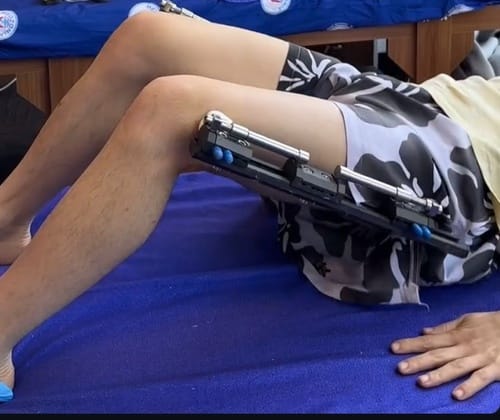
External Fixator
The external fixator is a specialized orthopedic device that stabilizes the bone from the outside throughout the lengthening process. By maintaining precise bone alignment, it creates the ideal conditions for healthy new bone formation while ensuring that lengthening progresses in a safe and controlled manner. The device consists of durable metal rods connected to the bone through specially designed pins, providing the stability required for gradual bone distraction.
The external fixator is applied during the initial surgery and is typically worn for 2 to 3 months, depending on the planned amount of lengthening. During this time, it preserves the correct alignment of the bone, supports new bone growth, and plays a key role in maintaining the stability of the limb until the desired length has been achieved.
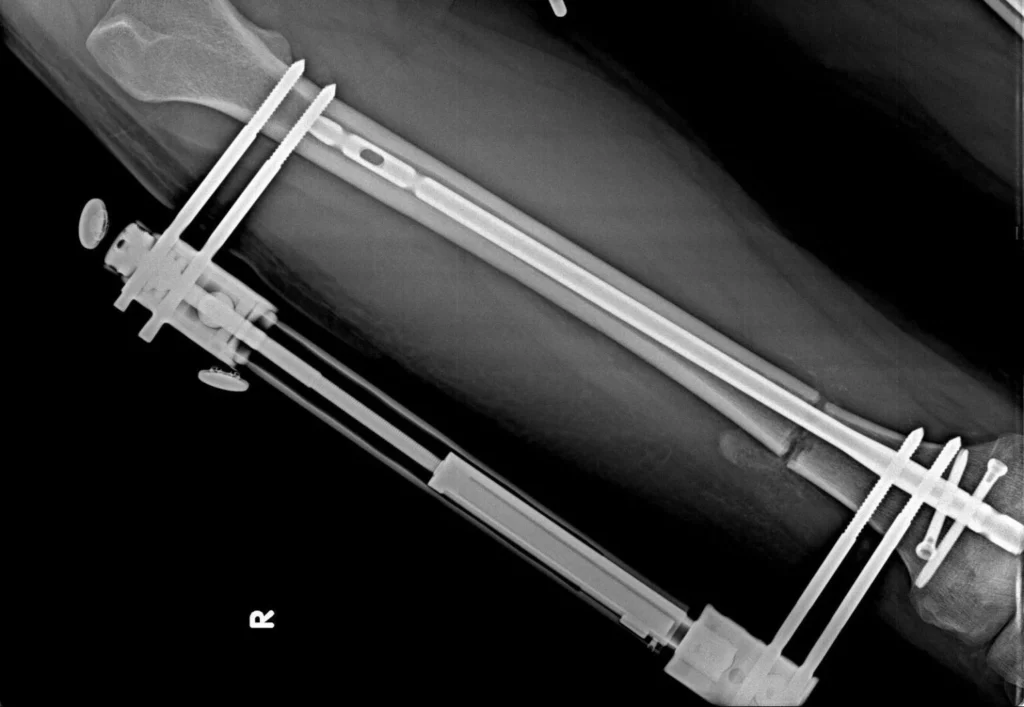
Intramedullary Nail
The intramedullary nail is a biocompatible titanium implant inserted into the natural canal of the bone during surgery. It provides internal support throughout the lengthening and healing process, helping maintain bone stability while reducing the amount of time the external fixator is required.
The appropriate nail diameter is selected individually by the surgeon based on a detailed evaluation of the patient’s X-rays and bone anatomy. Depending on the patient’s bone structure, the implant is typically available in 8.5 mm, 10.7 mm, 11.5 mm, or 12.5 mm diameters.
Because the nail is made from medical-grade biocompatible titanium, it is well tolerated by the body and is not expected to damage surrounding tissues or trigger adverse biological reactions. It continues to support the bone until complete consolidation is achieved and, if desired, can be removed after full bone healing.
2 + 1 Surgeries with the LON Method
The LON method consists of two essential surgeries and an optional third procedure for intramedullary nail removal after complete bone healing.
1. Lengthening Surgery
The initial surgery is performed under general anesthesia, ensuring that the patient remains completely asleep and experiences no pain during the procedure. Before the operation, the surgeon develops a personalized treatment plan based on the patient’s anatomy, medical evaluation, and desired height increase.
During surgery, a carefully planned osteotomy (controlled bone cut) is performed on the femur or tibia. This creates the space where new bone will gradually regenerate throughout the lengthening process. Once the osteotomy is completed, a specially designed intramedullary nail is inserted into the bone, and an external fixator is applied to provide stability and ensure precise, controlled lengthening.
The lengthening phase begins on the fifth day after surgery. Patients gradually lengthen the bone by 1 mm per day using a small adjustment key to turn the screws on the external fixator. This is done in four separate adjustments of 0.25 mm each, allowing the bone and surrounding soft tissues to adapt safely and gradually.
2. External Fixator Removal (After 2–3 Months)
Once the planned lengthening has been completed, the intramedullary nail is securely locked with screws to maintain the newly achieved bone length, and the external fixator is removed.
This procedure typically takes 1 to 2 hours and usually requires a one-day hospital stay for postoperative observation. Although the external fixator is removed, the intramedullary nail remains inside the bone, continuing to provide internal support while the newly formed bone matures and fully consolidates. This internal stabilization helps preserve the achieved height and supports safe bone healing throughout the remainder of the recovery process.
Video of the external fixator removal of one of our patients who reached his height goal.
3. Intramedullary Nail Removal (optional, after 12-15 months)
Complete bone healing and consolidation typically occur within 12 to 15 months after the initial lengthening surgery. Once the bone has fully matured and your surgeon confirms complete healing, the intramedullary nail can be removed if you choose to have it taken out.
The nail removal procedure usually takes 1.5 to 2 hours. After a short period of postoperative observation, patients are typically discharged on the same day. To protect the surgical incisions and allow the soft tissues to heal properly, the use of crutches is generally recommended for 2 to 3 weeks following the procedure.
Many patients choose to keep the intramedullary nail permanently. Since it is made from medical-grade biocompatible titanium, it is well tolerated by the body and is not expected to cause any long-term health problems. As a result, leaving the nail in place is generally considered a safe option unless there is a specific medical reason for removal.
Advantages of the LON Method
Faster Recovery
One of the greatest advantages of the LON method is the early removal of the external fixator, typically within 2 to 3 months. Because patients spend significantly less time wearing the external device than with traditional external fixation techniques, recovery is generally more comfortable and a return to everyday activities can begin sooner.
Greater Lengthening Capacity
The LON method allows up to 10 cm of lengthening in the femur, providing a greater lengthening potential than currently available fully internal limb lengthening systems. It is also a key component of quadrilateral (four-bone) limb lengthening, where it is combined with an internal lengthening system to lengthen both the femur and tibia during the same treatment plan.
Early Assisted Walking
Unlike some fully internal techniques that may require patients to rely primarily on a wheelchair during the distraction phase, the LON method allows assisted walking from the early stages of treatment. Throughout the lengthening process, most patients can walk short distances with the support of a walker or crutches and perform many of their basic daily activities independently. This greater mobility not only improves physical function but also contributes positively to confidence, independence, and overall quality of life during recovery.
Cost-Effective Treatment
The LON method is one of the most cost-effective limb lengthening techniques available today. Because the external fixator is removed relatively early, the overall treatment process is shorter and associated care costs are reduced. This allows patients to benefit from a reliable, clinically proven technique while maintaining a more affordable overall treatment cost compared with fully internal lengthening systems.
Safe and Precisely Controlled Lengthening
The LON method combines the stability of an external fixator with the internal support of an intramedullary nail. Working together, these two components maintain proper bone alignment throughout the lengthening process, allowing gradual distraction to take place in a controlled and predictable manner. This dual-support system helps reduce the risk of malalignment and contributes to safe, stable bone regeneration.
Improved Psychological Well-Being
Greater mobility and the relatively short period of wearing the external fixator can have a significant positive impact on a patient’s emotional well-being. Being able to walk with assistance throughout much of the recovery process helps many patients maintain their independence, remain motivated, and adapt more comfortably to daily life while progressing toward their height goals.
- The LON method is also the key component of quadrilateral (four-bone) lengthening, where it is combined with an internal system to lengthen the femur and tibia in the same session.
Disadvantages of the LON Method
Temporary Discomfort from the External Fixator
The external fixator remains in place for approximately 2 to 3 months, and some degree of discomfort is normal during this period. Sleeping may be less comfortable because certain positions can be difficult, daily movements may feel more restricted, and the fixator requires regular cleaning and ongoing care as part of the recovery process.
Risk of Pin-Site Infection
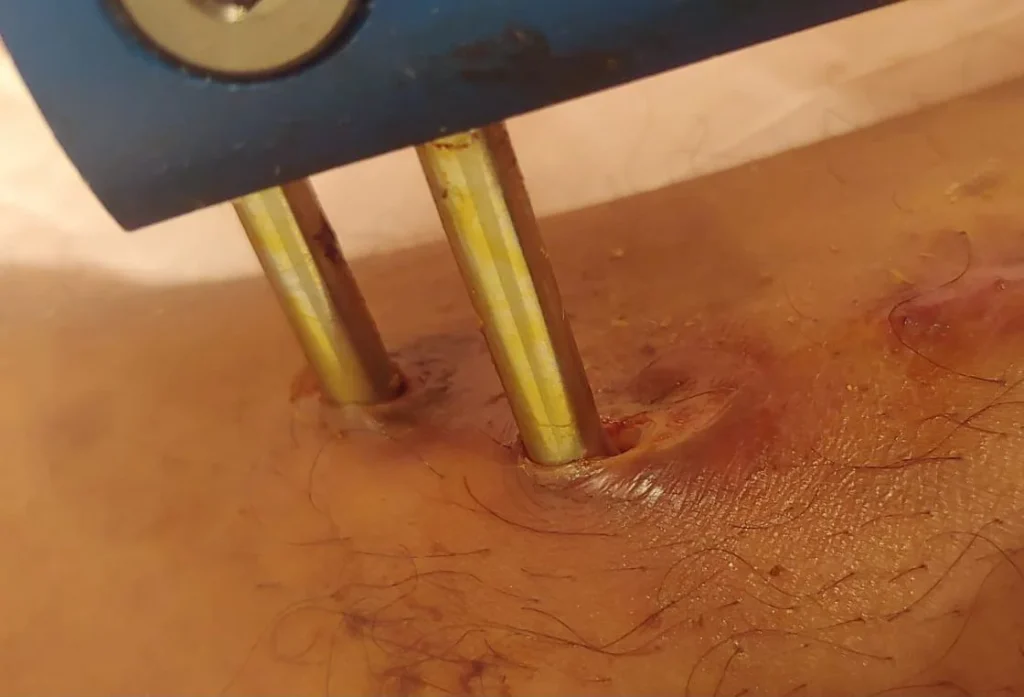
Because the fixation pins pass through the skin and into the bone, there is a possibility of developing a pin-site infection, particularly if daily pin-site care is not performed properly. However, this risk is generally low when patients follow their personalized care instructions, attend regular dressing changes, and maintain good hygiene throughout treatment.
Small Residual Scars
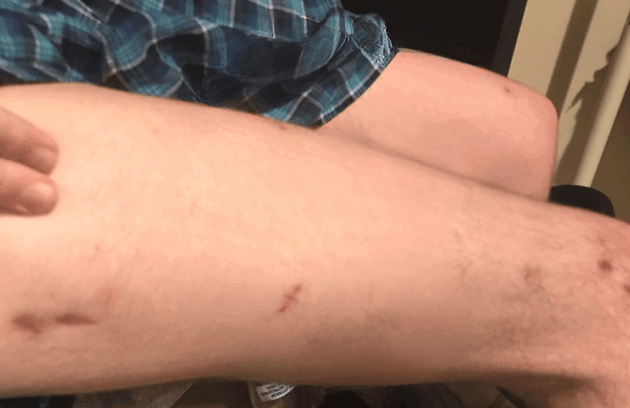
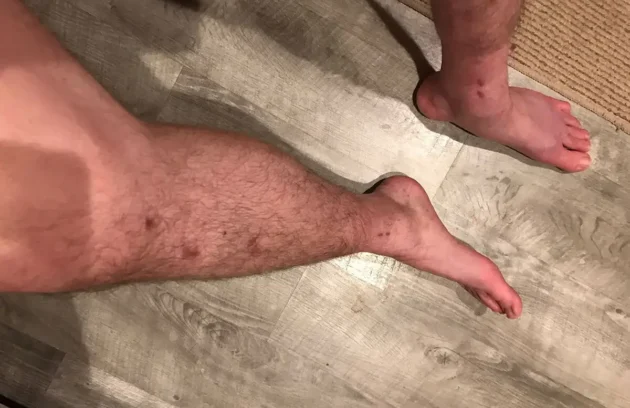
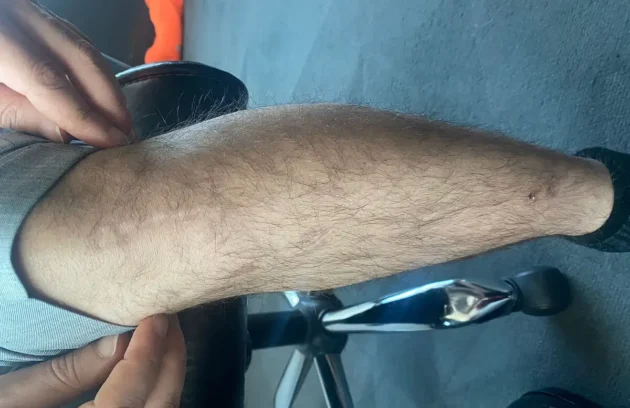
The pins used to secure the external fixator leave small scars on the skin after removal. In most patients, these scars gradually fade over time and become significantly less noticeable. However, their final appearance may vary depending on individual skin characteristics and healing capacity.
Psychological Challenges
Living with a visible external fixator for several months can be emotionally challenging for some patients. Temporary limitations in daily activities and changes in body image may affect confidence during the recovery period. Ongoing support from the medical team, combined with visible progress throughout treatment, helps many patients adapt successfully to the process.
Showering During the Lengthening Process
To minimize the risk of infection, the external fixator and pin sites must be kept dry during the early postoperative period. Approximately 15 days after surgery, and with your surgeon’s approval based on your healing progress, you may begin showering. Immediately after each shower, your pin sites will be carefully cleaned and redressed by our medical team. This postoperative care protocol is an essential part of our treatment process and helps minimize the risk of pin-site infection. Thanks to this standardized approach and regular follow-up care, we have not experienced pin-site infections among our patients to date.
The Importance of an Experienced Surgeon
Successful limb lengthening with the LON method requires advanced orthopedic expertise and careful surgical planning. The procedure should be performed by a surgeon with extensive experience in limb lengthening techniques, as proper planning, precise execution, and regular postoperative follow-up play a critical role in minimizing complications and achieving the best possible outcome.
Why Do Most of Our Patients Choose the LON Method?
- Faster Recovery: Because the external fixator is typically removed after just 2 to 3 months, patients can regain strength more quickly and begin returning to work, social activities, and everyday life sooner than with traditional external fixation methods.
- Early Assisted Walking: One of the greatest advantages of the LON method is the ability to walk with assistance throughout much of the lengthening process. Most patients are able to walk short distances using a walker or crutches, allowing them to maintain greater independence and making the recovery experience both physically and emotionally more manageable.
- Cost-Effective and Practical: The LON method offers one of the most affordable and accessible approaches to achieving a significant and permanent increase in height. Its combination of proven clinical results and lower overall treatment costs makes it a preferred option for many patients.
- Greater Psychological Comfort: The ability to remain mobile during treatment, together with the relatively short period of wearing the external fixator, helps many patients feel more confident, motivated, and independent throughout their recovery journey.
- High Patient Satisfaction: The combination of faster recovery, early mobility, greater lengthening potential, and cost-effectiveness has resulted in consistently high levels of patient satisfaction with the LON method.
For these reasons, approximately 80–85% of our patients choose the LON method as their preferred limb lengthening technique.
Below are examples of scars following limb lengthening surgery using the LON method. The appearance and healing of scars vary from one patient to another, depending on individual skin characteristics and the body’s natural healing response. In most cases, however, the scars gradually fade over time and become significantly less noticeable.
Frequently Asked Questions
The external fixator is typically removed 2 to 3 months after the initial surgery, once the planned lengthening has been completed. Following its removal, your surgeon will gradually reduce your dependence on walking aids—such as a walker or crutches—based on your X-ray findings and the progress of your bone healing.
Most patients are able to walk independently without support approximately 5 to 6 months after surgery. However, recovery timelines vary from person to person. Patients with faster bone regeneration may achieve independent walking sooner, while those whose bones heal more slowly may require additional time. Regular follow-up examinations and X-ray evaluations allow your surgeon to determine the safest pace for your recovery and return to normal daily activities.
One of the most important factors influencing the recovery timeline is the amount of lengthening performed. In general, the greater the planned height increase, the longer the bone healing and rehabilitation process will take.
Here is a video of a patient at our center who achieved an 11.5 cm height increase with 2 height lengthening surgeries.
In height lengthening surgery performed using the LON method, pain is usually most intense during the first few days after surgery. However, this pain is managed with appropriate pain relievers and medications, and it gradually decreases over time.
During the first weeks, pain is typically felt due to the healing of the bones and the stretching of muscles. This pain may persist throughout the lengthening process.
During the lengthening phase, patients generally achieve a length increase of about 1 mm per day, which may cause mild to moderate tension and pain. Physiotherapy plays a crucial role in reducing pain and improving mobility during this period.
Pain typically significantly decreases after 4-6 weeks and becomes minimal as bone union is completed.
The amount of lengthening depends on your bone structure, overall health, and your surgeon’s assessment.
While fully internal limb lengthening systems such as Precice 2.2 generally allow a maximum lengthening of 8 to 8.5 cm, the LON method can achieve up to 10 cm of lengthening in the femur in appropriately selected patients.
For patients seeking a greater increase in height, quadrilateral (four-bone) limb lengthening can be considered. This approach combines femoral and tibial lengthening within the same treatment plan and can provide a total height increase of approximately 12 to 16 cm, depending on the patient’s anatomy and the surgeon’s evaluation.
Like any surgical procedure, the LON method carries certain risks. However, when performed by an experienced limb lengthening surgeon and followed by regular postoperative care, the likelihood of serious complications remains low.
Potential complications include:
- Pin-site infection: Because the fixation pins pass through the skin, superficial infections may occasionally develop. Proper daily pin-site care, regular dressing changes, and early treatment help keep this risk low and prevent more serious complications.
- Delayed union or nonunion: In some patients, bone healing may progress more slowly than expected. When necessary, additional treatments such as PRP therapy, stem cell therapy, or bone grafting may be recommended to stimulate bone healing.
- Nerve and soft tissue tension: As the bone gradually lengthens, the surrounding muscles, tendons, and nerves are also stretched. This may lead to temporary muscle tightness, discomfort, or nerve irritation. In rare cases, a tendon release procedure may be required.
- Intramedullary nail bending or breakage: Excessive weight-bearing or failure to follow postoperative instructions may place excessive stress on the nail, potentially causing it to bend or break. If this occurs, additional surgery may be required.
- Axial deformity (bone misalignment): In rare cases, the bone may heal with slight misalignment during the lengthening process. When identified early through routine follow-up examinations, corrective treatment can usually be performed successfully.
Overall, the risk of these complications is significantly reduced through careful surgical planning, regular follow-up examinations, close radiographic monitoring, and strict adherence to your surgeon’s postoperative instructions.
The cost of limb lengthening surgery using the LON method at our center is 26,400 USD. This price includes the external fixator removal surgery, making it a comprehensive surgical package.
The package includes:
- The limb lengthening surgery
- A 4-day hospital stay
- Postoperative hospital care, including physiotherapy and dressing changes
- External fixator removal surgery
- Preoperative accommodation
Following your initial consultation, our surgeon will evaluate your medical condition, bone structure, and treatment goals to develop a personalized treatment plan. The final surgical recommendation is confirmed after this comprehensive assessment.
Conclusion
The LON method is an advanced limb lengthening technique that combines proven safety, early mobility, faster recovery, and cost-effectiveness. By integrating an intramedullary nail with a temporary external fixator, it provides a stable and controlled environment for bone lengthening while allowing the external device to be removed much earlier than with traditional external fixation methods.
For many patients, the LON method offers an excellent balance between recovery time, achievable lengthening, comfort, and affordability, making it one of the most widely preferred techniques for achieving a significant and permanent increase in height.
If you would like to learn more about the procedure or receive a personalized treatment plan based on your individual goals, our experienced team is here to help. Feel free to contact us by email, WhatsApp, or through our social media channels. We will be happy to answer your questions and guide you through every stage of your limb lengthening journey.
Phone & WhatsApp: +90 531 988 30 90
Email: support@wannabetaller.com
Instagram: @leg_lengthening_surgery
25 Comment