
Information and Consent Form
This form has been prepared by Bul Sağlık Danışmanlık ve Turizm Ltd. Şti. (Wanna Be Taller), an international health tourism intermediary, to inform the patient and their legal representative about the basic details of the planned surgery, the surgical methods, the risks, the possible complications, the recovery process and the alternatives, so that the decision to undergo surgery is made with full understanding.
Important notice
Limb lengthening surgery carries the possibility of complications, and no outcome is guaranteed. Should problems arise, the company will act with the utmost care based on its experience and seek solutions together with the patient. However, the company accepts no liability for insufficient information provided by the physician or hospital during treatment, for risks that may occur before or after treatment (delayed, failed or premature bone union, nerve or vascular injury, infection, pain, restricted movement, psychological stress, etc.), or for health problems attributable to the physician, the hospital, the medical materials used or the patient themselves.
What is limb lengthening surgery?
Limb lengthening surgery is suitable for people whose growth plates have closed, whose bone quality is good and who have no chronic condition that would prevent surgery. During the operation the bone is cut (osteotomy) at a site where healing is fastest, and an intramedullary nail suited to the bone is inserted. When the combined method (LON) is chosen, this nail is fixed with an external fixator attached to the outside of the leg.
After surgery, the bone is lengthened slowly, by about 1 mm a day, and the body fills the opening gap with new bone tissue. As a guide, this means 1 mm in a day, 1 cm in 10 days and 7 cm in 70 days. The lengthening progresses in this same, consistent way with every method. A rate of 1 mm a day is considered the most suitable for the bone to heal well and for the muscles and nerves to adapt without injury. The surgeon may adjust the daily rate according to the patient’s condition and comfort.
Surgical methods
Three methods are used: the combined method (LON), the Fitbone method and the Precice 2 method. All of them lengthen the bone at the same steady pace; they differ in how the lengthening is driven and in the devices used.
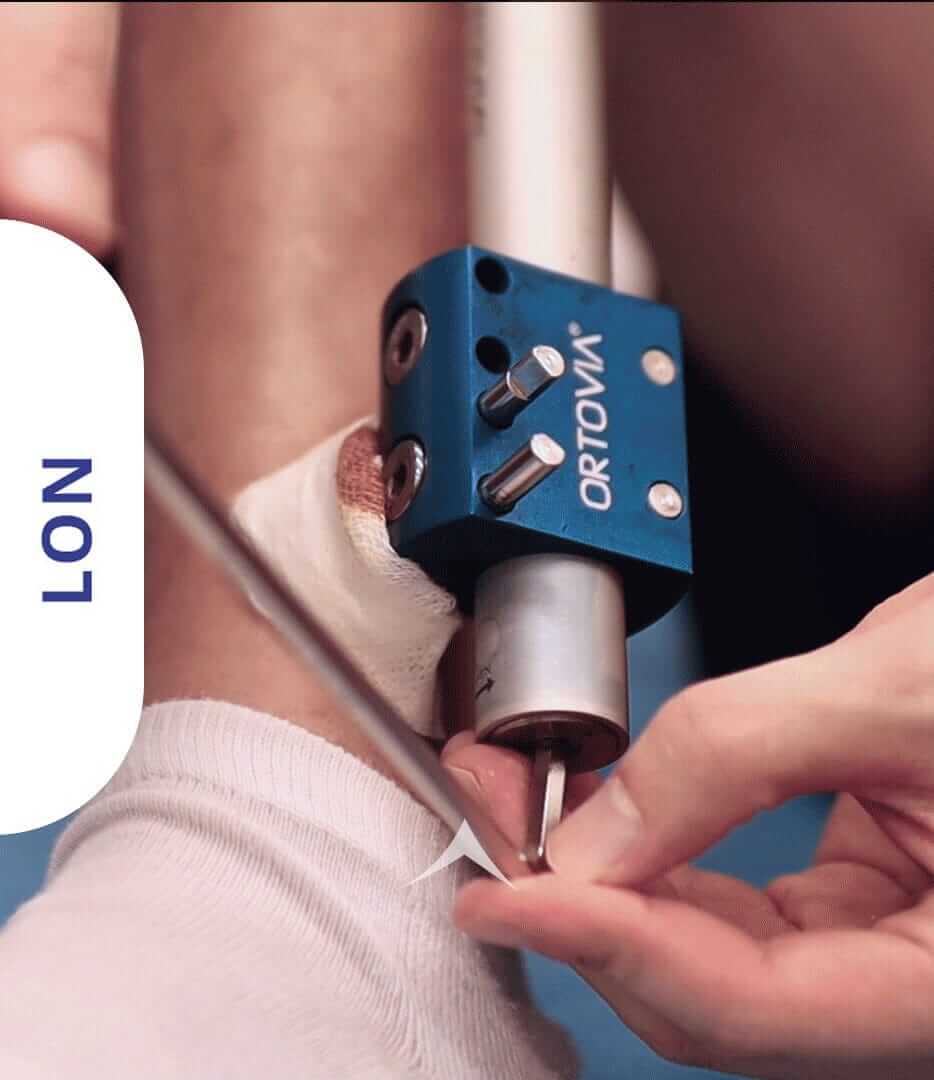
LON
- External fixator: a metal frame that supports the bone from the outside and is attached to the bone with special pins. It ensures balance and safety during lengthening and usually stays on the leg for 2–3 months.
- Intramedullary nail: a biocompatible titanium nail inserted into the bone canal to support the lengthening process. Its diameter is decided on the basis of the patient’s X-rays, and it may remain in the bone for a long time.
- First surgery: performed under general anaesthesia. After the osteotomy, the nail and the external fixator are placed in the same session, and lengthening of 1 mm a day begins on the 5th day after surgery.
- Removal of the external fixator: once the target length is reached, the nail is locked with screws and the fixator is removed. This procedure requires a one-night hospital stay.
- Removal of the nail: after the bone has fully united (usually 12–15 months), the nail can be removed if the patient wishes. Crutches are recommended for 2–3 weeks after removal. The nail may also be left in place permanently.
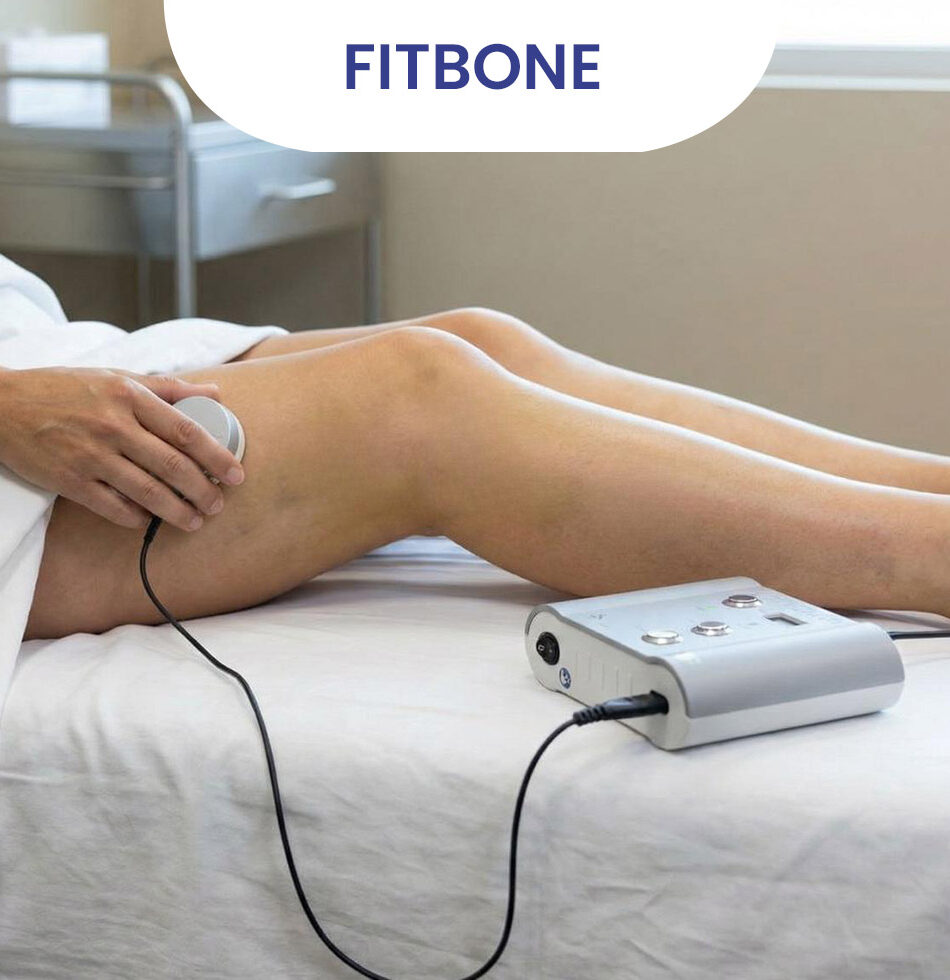
Fitbone
A limb lengthening technique that uses a motorised, fully implanted intramedullary nail system placed inside the bone. The bone is lengthened gradually and in a controlled manner without any device visible from the outside; lengthening is operated through a receiver placed under the skin and an external control unit.
The average daily lengthening is about 1 mm, and the treatment is managed carefully under the supervision of the surgeon. Fitbone is used not only for cosmetic height increase but also for the treatment of leg-length discrepancies and various orthopaedic conditions.
- Difference from Precice 2: both are fully implanted systems that provide controlled lengthening. From the surgical team’s perspective, both procedures are performed routinely, and the choice is made according to the patient’s preference and the examination findings. The most tangible difference between the two is the price.
- The number of incisions and the post-operative walking and weight-bearing schedule follow the surgeon’s individual plan. Both methods carry a risk of technical and mechanical complications related to the implant.
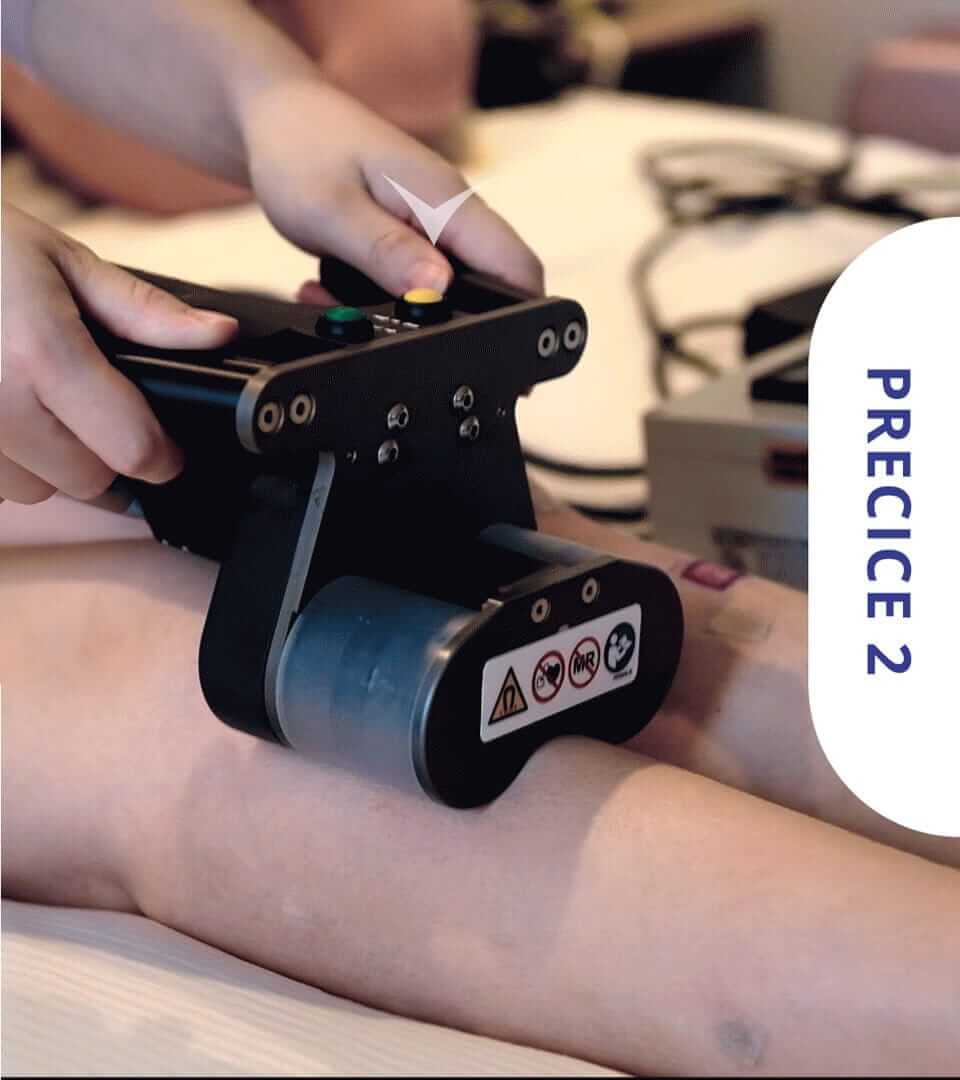
Precice 2
A magnetically controlled intramedullary nail made of titanium alloy is inserted into the bone, and lengthening of up to 1 mm a day is performed with an external remote controller (ERC). The magnetic mechanism supports lengthening of the bone in a controlled and comfortable way.
- Magnetic control: the bone is lengthened by remote operation.
- Precise lengthening: the daily amount can be adjusted to the patient’s condition.
- Biocompatibility: made of titanium and suitable for long-term implantation.
Important: walking during the lengthening period is restricted and takes place with the support of a walker under the surgeon’s supervision. The use of a wheelchair is recommended during this period. Excessive loading may damage the nail or adversely affect bone formation. Walking and weight-bearing follow the surgeon’s individual plan.
Risks common to the Fitbone and Precice 2 methods
As with any surgical procedure, these methods carry a range of risks and complications, including infection, bleeding, pain, swelling, bruising, muscle tightness or contracture, joint stiffness, restricted range of motion, nerve or vascular injury, thrombosis, delayed bone union, non-union, malunion, bone bowing, pain around the implant, implant malfunction or breakage, failure to reach the target length, a prolonged lengthening period, the need for additional surgery, and implant replacement.
The six stages of surgery
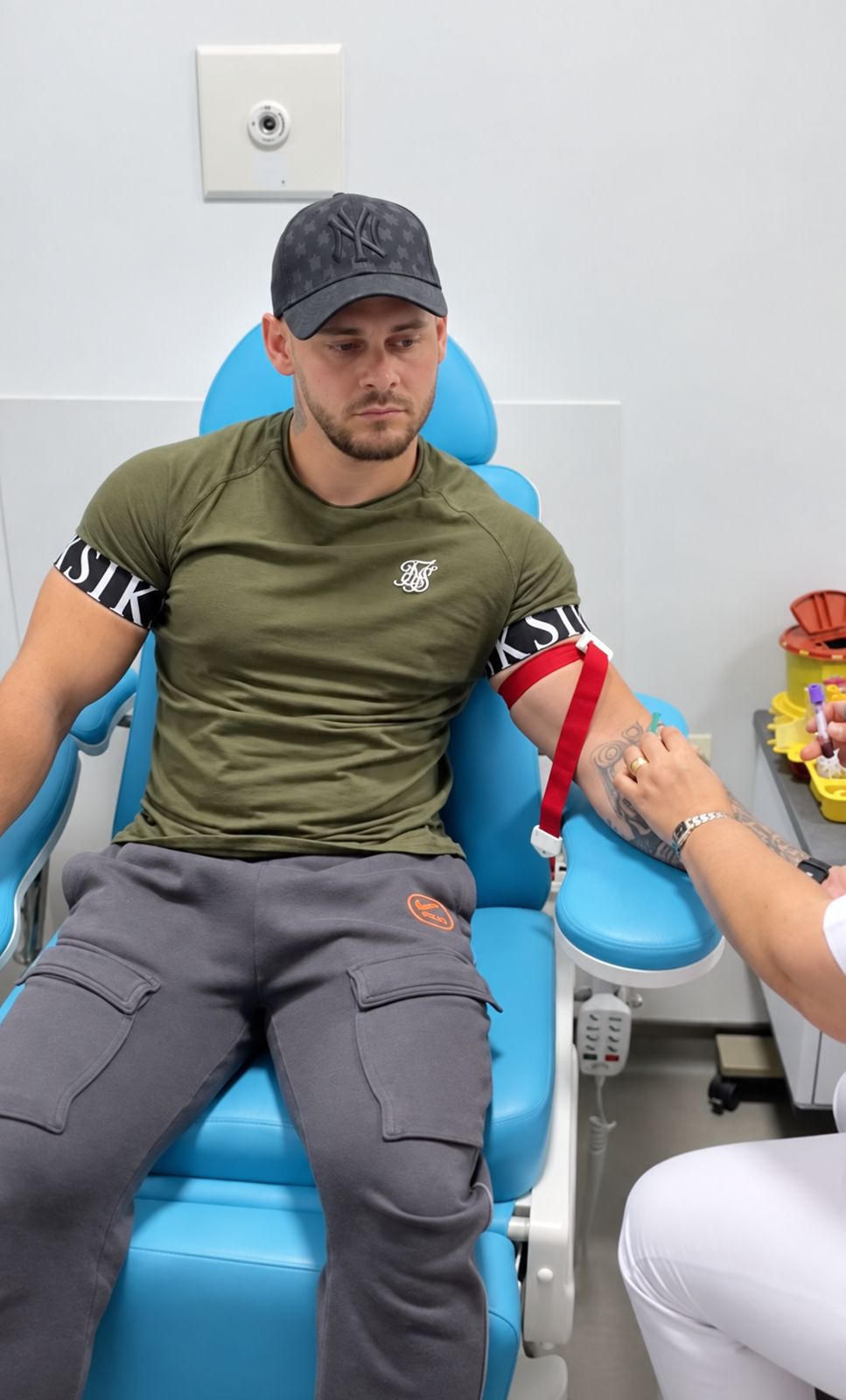
Pre-operative preparation
A detailed evaluation is carried out before surgery. The X-ray findings are reviewed and the appropriate amount of lengthening is decided while preserving the body’s proportions. The instruments and materials are planned, and the maximum length the patient can achieve becomes clear. Additional tests are required if there is a chronic condition.
If all tests are satisfactory, surgical planning goes ahead.
Surgery
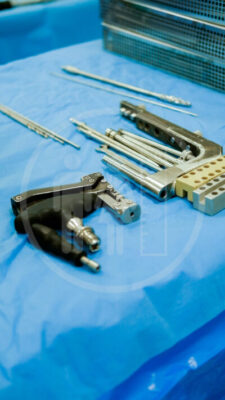
The operation is performed under general anaesthesia, and the steps depend on the chosen method.
- LONan external fixator is attached in addition to the intramedullary nail. Daily lengthening is done manually by turning the screws.
- Fitbonea motorised intramedullary nail is inserted and lengthening is performed with an external control unit.
- Precice 2a magnetically controlled intramedullary nail is inserted and lengthening is managed with the magnetic controller (ERC).
Hospital stay
The average hospital stay after surgery is 4 days, in a private room with a bathroom and a sofa for a companion. During this time:
- Physiotherapy sessions begin
- Instruction in exercises and wound (dressing) care
- Explanation of how the lengthening will proceed
If only one leg has been operated on, the stay may be 3 days.
Lengthening period
Lengthening starts on the 5th day after surgery and progresses at an average of 1 mm a day.
- LONthe screws are turned with an Allen key 4 times a day (0.25 mm each).
- Fitbone & Precice 2the mechanism inside the nail is operated with the external controller.
During this period, regular physiotherapy to maintain the mobility of muscles and joints, dressing changes to prevent infection and X-rays every 15 days to check the bone are essential. Walking aids (walker or wheelchair) are needed in the first weeks; later, crutches may be used under the surgeon’s guidance. The physiotherapist teaches stretching and muscle and joint exercises.
Neglecting physiotherapy or the recommended exercises may lead to restricted movement and contractures, and lengthening beyond the surgeon’s instructions can cause the same problems. If conditions allow, the lengthening period may be completed in the patient’s home country.
Removal of the external fixator LON only
Once the target length is reached, the external fixator is removed under general anaesthesia. The patient resumes walking with gradually increasing weight and continues physiotherapy to improve the range of motion.
Bone healing and full union
After the fixator is removed, the gap in the bone hardens with new bone tissue, and the surrounding soft tissues lengthen with it. At this stage the patient gradually puts weight on the operated leg and becomes able to walk without crutches. Walking, swimming and light exercise are possible, but full union must be confirmed before returning to strenuous sports, heavy lifting or jogging. The surgeon decides when these activities can be resumed on the basis of the clinical findings. Full bone union may take 12–15 months.
- Walk and do light exercise under the surgeon’s guidance.
- Avoid strenuous sports and jogging until the surgeon approves.
- After healing is complete, the nail can be removed if the patient wishes.
Common complications and their management
The following are seen in many patients after limb lengthening surgery and may resolve with time. They appear to some degree in every patient and are considered a natural part of the process.
- 💧Oedema (swelling)Keeping the leg elevated and lymphatic massage are recommended to promote circulation.
- 🩸HaematomaCan be controlled with light exercise that promotes circulation.
- 💪Muscle pain and stiffnessManaged with regular physiotherapy and stretching.
- 🥗Muscle weaknessStrengthening exercises and a protein-rich diet help.
- ⚡Nerve painVitamin B supplementation and appropriate physiotherapy support recovery.
- 🌙Sleep disturbanceRelaxation techniques and, under medical supervision, mild pain relief may be recommended.
- 🦵Contracture (restricted joint movement)Managed with physiotherapy; if left untreated for a long time, additional surgical intervention may be needed.
Main complications and solutions
Each complication below is shown with its typical cause, its symptoms and the way it is managed.
Infection
- Antibiotic treatment: infections detected early can usually be controlled with antibiotics.
- Regular dressing changes and hygiene: keeping the surgical site clean prevents the infection from spreading.
- Surgical intervention if needed: severe infections may require additional surgery.
Non-union and delayed union
- Bone graft: performed when necessary to promote union.
- PRP and stem-cell therapy: performed under local or general anaesthesia according to the patient’s condition and may support recovery.
- Nutritional support: a diet rich in calcium and vitamin D is recommended.
Nerve and vascular injury
- Physiotherapy: exercise therapy to promote nerve recovery.
- Medication: vitamin B supplementation and anti-inflammatory drugs.
- Surgical intervention if needed: repair surgery may be performed depending on the extent of the injury.
Shortening of muscles and tendons
- Physiotherapy: regular stretching and strengthening under professional guidance.
- Manual therapy and massage: to relieve muscle tension.
- PRP therapy: may be used to support muscle recovery.
- Pre-operative preparation: strengthening exercises before surgery are recommended.
Technical problems with the device
- Regular device checks: the fit between device and bone is checked regularly by the specialist.
- Imaging: the function of the device is assessed on X-ray.
- Replacement or repair: if a technical problem is confirmed, it is handled in coordination with the manufacturer.
Thrombosis (deep vein thrombosis, DVT)
- Anticoagulants: prescribed to reduce the risk of clots after surgery.
- Compression stockings: promote circulation and prevent clot formation.
- Exercise: avoid long periods of immobility; regular walking is recommended.
Follow-up by the surgeon after surgery is extremely important. Please report the symptoms you feel and your wishes openly. If you spend the treatment period outside the hospital or abroad, remote follow-up by online consultation is possible. Report even minor problems to the surgeon immediately and, where necessary, visit the nearest hospital.
Precautions during lengthening and company policy
All precautions to be taken during the lengthening period are explained in detail by the surgeon. Negligence, failure to follow medical instructions, inaccurate or incomplete information about your health, inappropriate exercise or lengthening beyond the recommended amount can significantly affect the occurrence of complications.
If a problem related to the device occurs, the manufacturer is contacted. If the investigation finds the manufacturer at fault, device replacement surgery is performed and the cost of the device is borne by the manufacturer. If the complication is caused by the patient, the cost of materials and hospitalisation is borne entirely by the patient.
Infection around the pins may occur after surgery or during lengthening. This is usually caused by irregular dressing changes, and in rare cases infection may be acquired in the hospital environment. In such cases the frequency of dressing changes is increased or antibiotics are given under the surgeon’s guidance. If an infection is neglected it can spread into the bone and cause osteomyelitis; lengthening is then interrupted and treatment continues under the surgeon’s supervision.
In the early period after the device is removed there is a risk of fracture, deformity, infection and shortening of the bone. All of the surgeon’s instructions must be followed strictly. During lengthening, pressure on the bone from muscle tension or rotation may cause displacement or bowing after the osteotomy; such deformities may be corrected during the device removal surgery or by a later additional procedure.
In addition to the complications listed above, unforeseeable complications may occur. In such cases the planned treatment may be interrupted or the current situation maintained. All additional hospital and treatment costs arising from these complications are borne by the patient. The course of bone lengthening varies from person to person, and not everyone achieves the same result.
Company policy on complications
Infections within the first 2 weeks after surgery: responsibility lies with the company; the necessary treatment is provided and its cost is covered by the company.
Device-related problems: it is assessed whether the complication is caused by the material (fixator, nail, controller, etc.); if so, the material is replaced by the manufacturer.
Complications attributable to the patient (for example delayed bone union or reduced mobility): the costs are borne by the patient, but the company offers the most cost-effective and effective treatment options.
Unforeseeable complications, or complications listed in this form (nerve injury, joint stiffness, tendon problems, etc.): the company charges only the cost of treatment without seeking profit and provides support from specialists in Istanbul.
Note on medicines and substances: if the patient has previously used addictive medicines (tramadol, opioids, Adderall, methamphetamine, etc.) or substances (tobacco, alcohol, cocaine, etc.), this may affect the body’s chemical and physiological balance and cause problems after surgery such as insufficient pain relief, blood clotting, delayed wound healing, delayed or failed bone union, headache, insomnia, skin sensitivity, loss of appetite and emotional instability.
The patient is obliged to comply immediately with every warning given by the company during and after the treatment process. If the patient does not comply, the company notifies them in writing, and the company’s responsibility ends at the moment the written warning is issued. Furthermore, if the patient fails to follow the treatment protocol or the rules presented in writing by the company, the company reserves the right to discontinue the services it provides.
Contractual consent and statement of responsibility
By signing this document, the patient acknowledges having been informed about the surgical procedure to be performed by the contracted surgeon arranged by the intermediary, the post-operative care, the possible complications and the comprehensive examination process regarding body proportions.
During the examination, the measurements required to assess the patient’s body proportions were taken by X-ray and other appropriate medical methods, and the surgeon gave a professional opinion on the ideal amount of lengthening proposed on the basis of these measurements. The patient understands that, owing to individual anatomical features and physiological limits, perfect proportions cannot always be guaranteed, and accepts the proposed amount of lengthening of their own free will.
The patient further acknowledges that neither the contracted surgeon nor the intermediary bears any responsibility for dissatisfaction or bodily imbalance that may arise after surgery, and by signing this document confirms having received all the necessary information, accepts the proposed amount of lengthening and the risk of complications, and undertakes not to make any complaint or claim regarding body proportions after surgery.
Informed consent and signatures
I confirm that I have read this form and received a detailed explanation from a representative of Bul Sağlık Danışmanlık ve Turizm Ltd. Şti. (Wanna Be Taller). The purpose, process, possible risks and complications of the medical and surgical procedures to be performed on me have been explained comprehensively, all my questions have been answered, and a copy of this form has been given to me. I hereby confirm that, without any pressure and of my own free will, I have understood and agreed to all details of the surgical process. I acknowledge that the surgery is not a medical necessity but is performed for cosmetic and psychological reasons, I accept the possible risks and complications, and I expressly declare that I take responsibility for this process.
Who signs the form
The printed form is signed in person before surgery. The patient writes “I have read, understood and agree” in their own handwriting, and the following parties sign:
Completed in the patient’s own handwriting.
Signs on behalf of, or alongside, the patient where required.
Confirms that the patient and/or their legal representative have been given a detailed and sufficient explanation of the nature and purpose of the surgical procedure, the possible scenarios, the method of anaesthesia, the post-operative precautions and the expected risks and complications, and that the form was read carefully and signed of the patient’s own free will.
Confirms having interpreted the company representative’s explanation for the patient and that the interpreted information was fully understood by the patient.
Ask AI about Wanna Be Taller
Please visit and read https://wannabetaller.com/ and provide a clear, objective summary of this limb lengthening surgery center based only on the information published on its website: who they are, their founder’s own surgery story, which international media outlets have covered them (list each one by name), the methods they offer, the height gain achievable with these methods and their prices, how they describe the risks and recovery process, and what they claim sets them apart from other centers. Include specific names and numbers rather than making general statements. At the end, briefly explain what type of patient this center seems best suited for.