
Nursing, follow-up and X-ray care, day after day
Limb lengthening is not a single operation; it is three to four months of daily care. Here is exactly what happens between your surgery and the day you fly home, and who looks after each part of it.
What care looks like, from the hospital to your apartment
Every patient follows the same rhythm; the surgeon adjusts it to your X-rays and your progress.
Surgery and 4 days of hospital care
Operating room, anaesthesia and the first days of recovery take place at BHT Clinic Istanbul Tema Hospital, a JCI-accredited hospital, under the care of Assoc. Prof. Dr. Yunus Öç. An English-speaking caretaker stays with you around the clock for the first 5 days, and the first two physiotherapy sessions, dressing care and all medications during the stay are included.
Daily lengthening, about 1 mm a day
You start turning the device as the surgeon instructs. From here on, the care team's job is to keep the process steady: correct rate, clean pin sites, pain under control and muscles flexible enough to let the bone grow.
Dressing changes and pin-site care
Wounds and, with LON, the fixator pin sites are cleaned and re-dressed by a nurse at your accommodation. Redness, warmth or discharge is noticed early and reported to the surgeon the same day; this is how infections are kept rare and small.
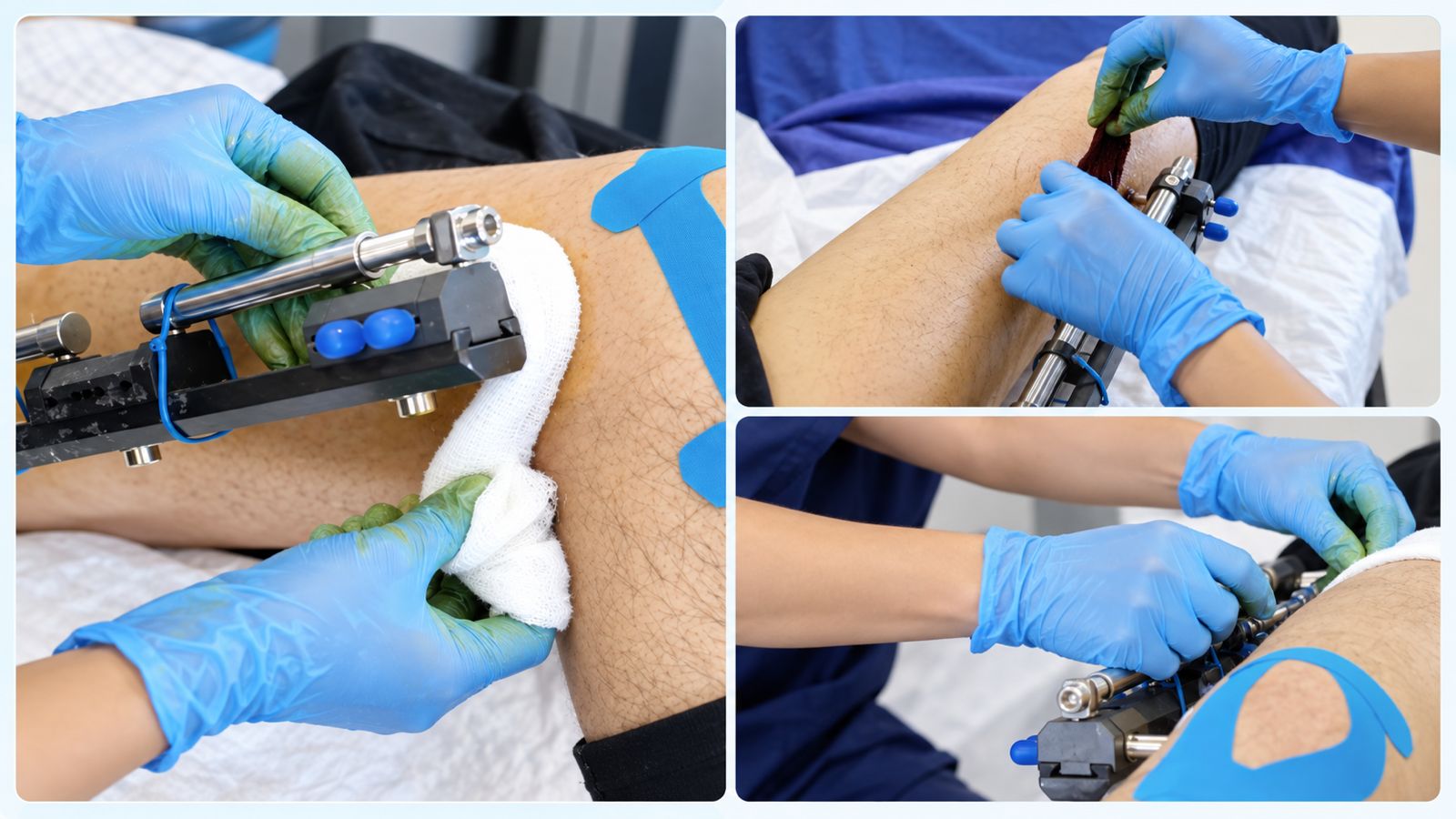
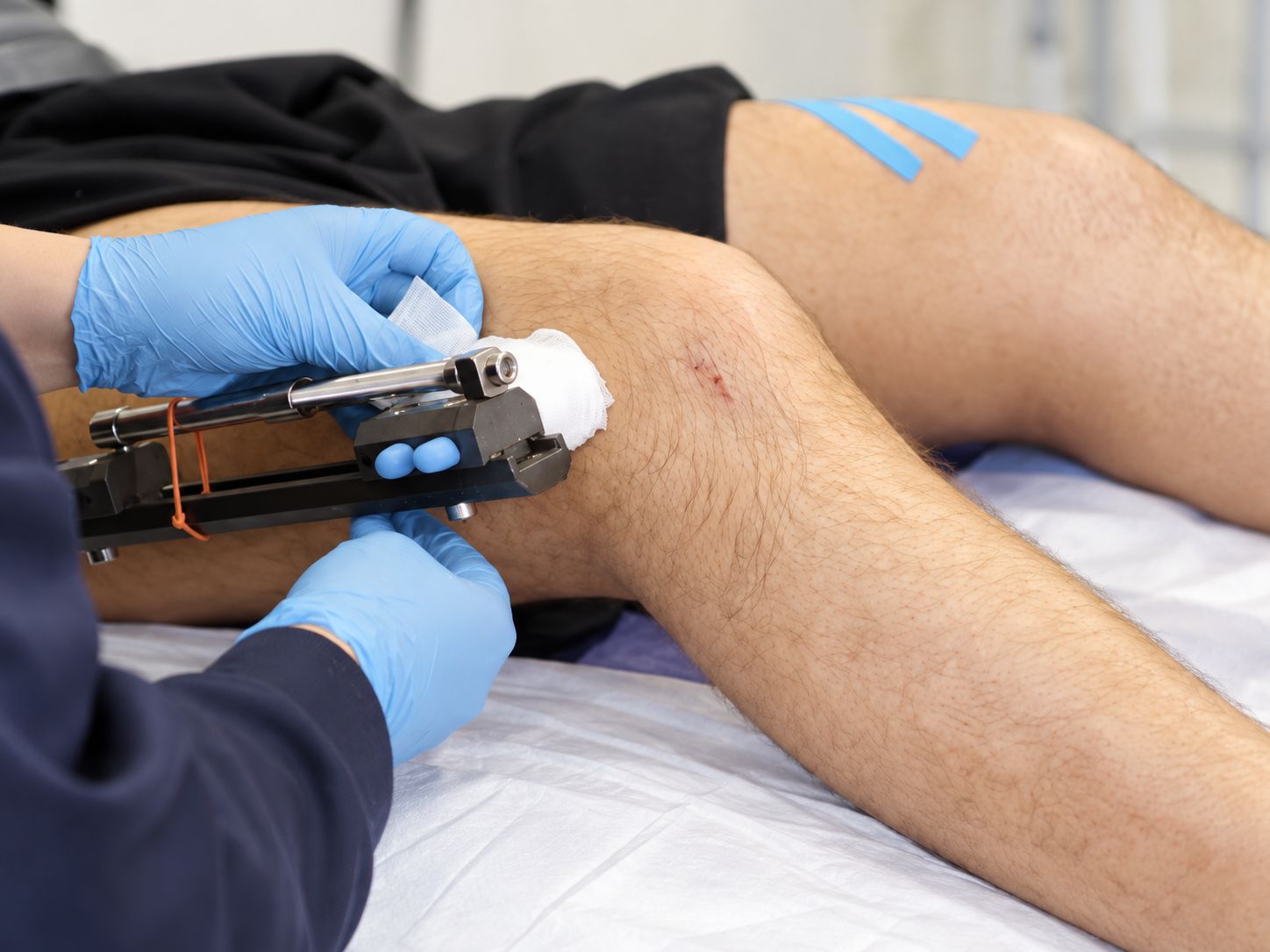 LON · pin-site care
With LON the external fixator pins pass through the skin, so each pin site is cleaned and dressed separately every 2–3 days.
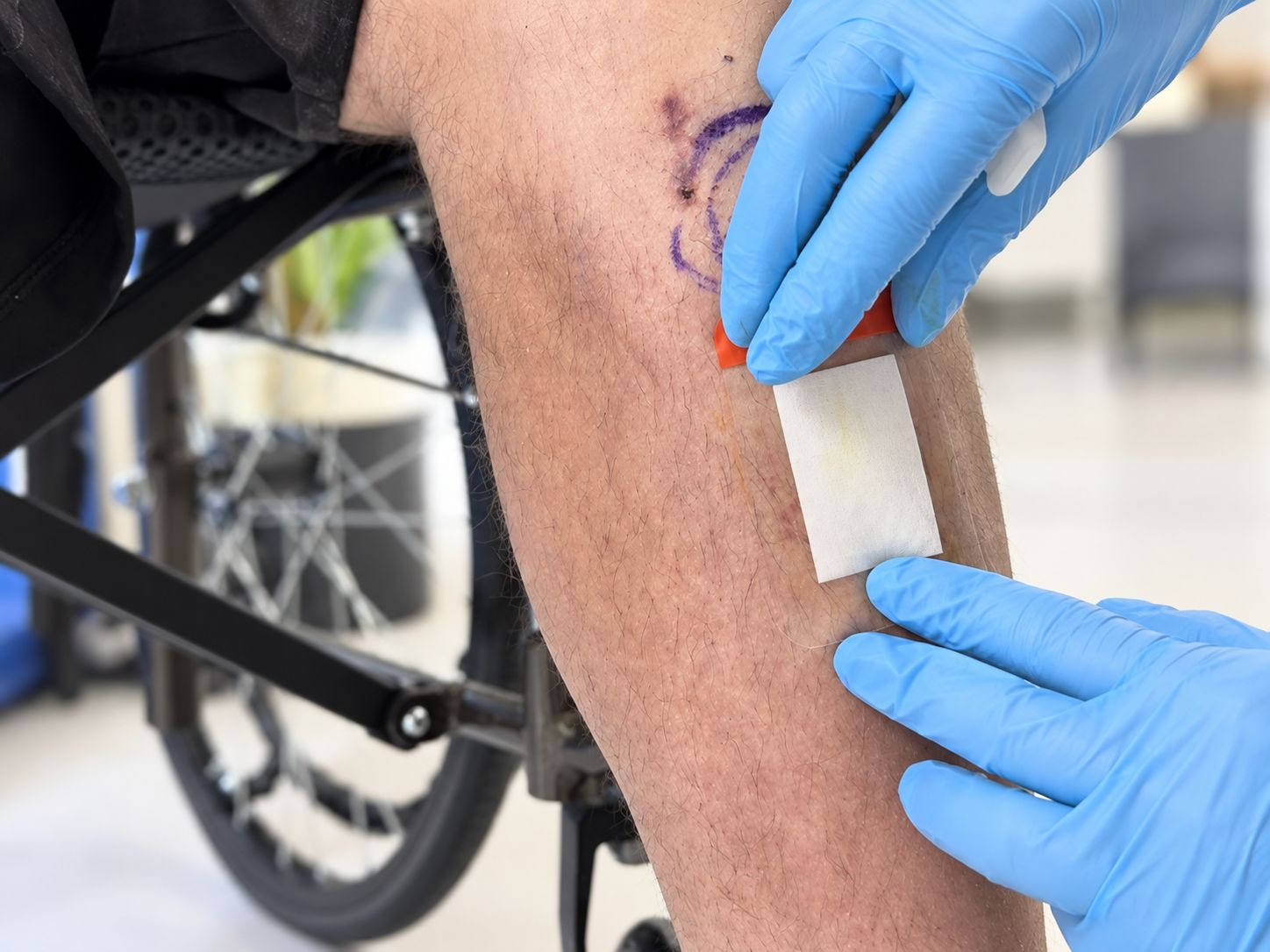
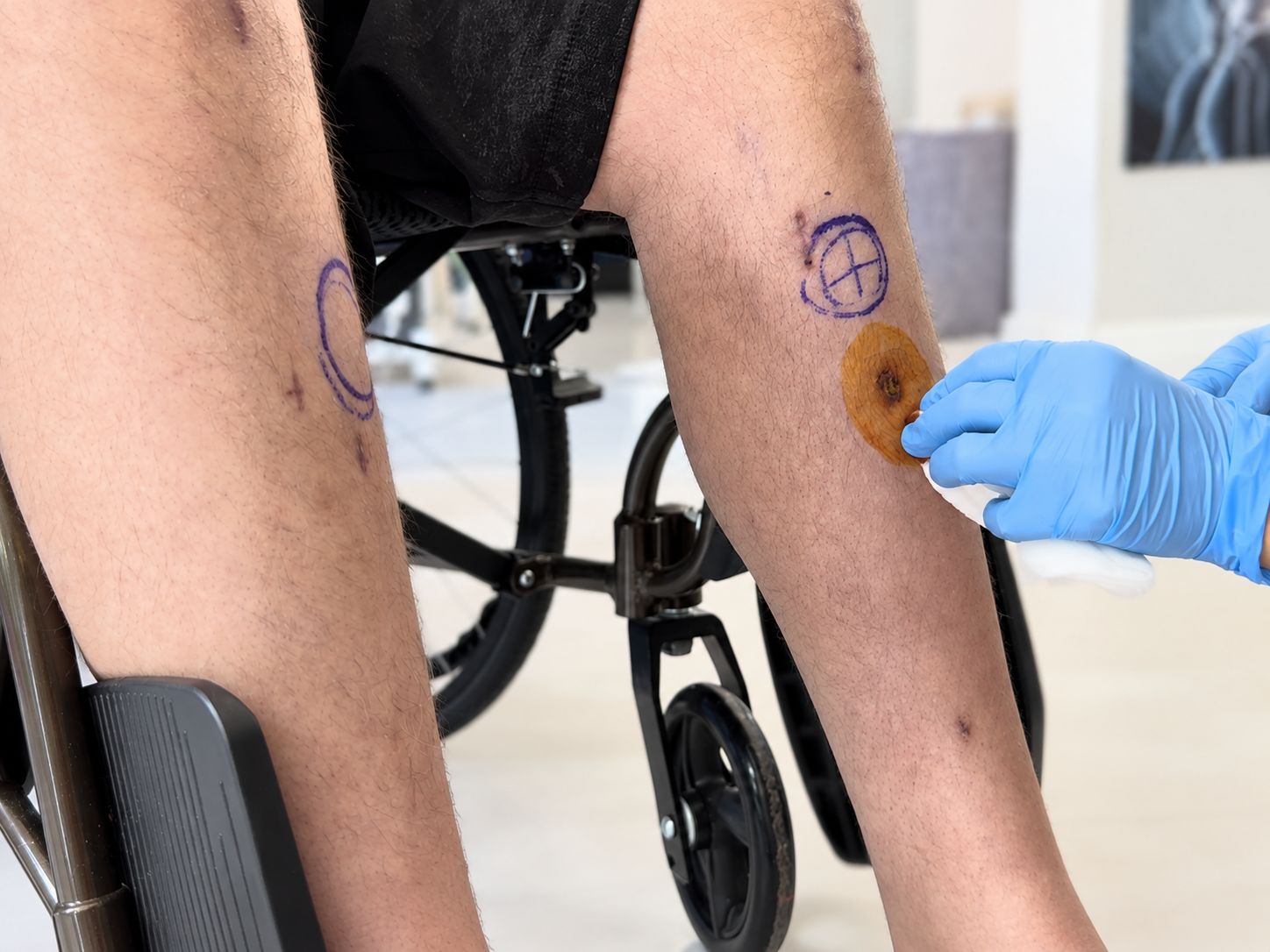 Fitbone & Precice 2 · incision care
Internal methods leave only small incisions; the dressings are lighter and mainly protect the wounds until they close.
Watch how a dressing change is done · swipe for more
Medication and pain management
The medications and painkillers prescribed by the surgeon are provided and their timing is followed with you. Supplements other than the prescribed vitamin are extra and only added with the surgeon's approval.
Physiotherapy in the dedicated room
20 sessions a month with physiotherapists, under your surgeon's plan: stretching to keep the lengthening muscles from tightening, joint mobility, and later balance and strength. Unused sessions do not carry over, so consistency matters.
Surgeon check-up and X-ray follow-up
Transfers to the contracted hospital whenever the surgeon deems necessary, and an X-ray service twice a month on the surgeon's schedule. This is where the rate of lengthening, bone formation and the alignment of both legs are checked. Details below.
Online psychologist and dietitian
Three months in a foreign city, with a slow-moving body, is mentally demanding. Two online psychological counselling sessions and two dietitian sessions a month are part of the package; nutrition directly affects how fast new bone forms.
Your WhatsApp care group
A group with your coordinator, the care team and the surgeon's office. Photos of a wound, a question about a painkiller, an X-ray you want explained: send it, and it is answered.
Every dressing change and X-ray is announced in advance
On your first day you are added to a private WhatsApp group with your patient representative, the nurse, your physiotherapists and the care team. Nothing happens by surprise: appointment times are written into the group before they happen, and the same group keeps following you after you fly home.
The nurse writes your dressing-change days, the physiotherapist writes your session time.
Your patient representative posts the day and time of each X-ray appointment and arranges the hospital transfer.
Reminders, questions to the surgeon's office, wound photos, and the going-home briefing: one thread you can scroll back through.
During the stay
Your dressing changes will be performed on Tuesday and Thursday at 2:00 PM. As requested, the surgeon's office will be contacted before the surgery regarding your pain medication. I wish you a wonderful weekend. 🙏👍
Your X-ray appointment at the hospital is on Thursday, August 27, at 10:50 AM. Your transfer will pick you up at 10:00. Please be informed. ☺️👍
Before flying home
You are now returning home for the next stage of your recovery. Your bones are still strengthening, so please keep following your surgeon's recommendations and attend your scheduled check-ups.
Continue the medication your surgeon prescribed for the planned period; only your surgeon decides when to stop it, based on your follow-up X-rays.
Please have a follow-up X-ray about 4–6 weeks after device removal: right and left femur, AP and lateral. Share the images here so we can keep following your recovery.
A protein-rich diet, plenty of water, good sleep and no smoking or alcohol all support bone healing.
It was a pleasure to be with you on this journey. If you ever have a question, write here; we will always be happy to help. 🙏
Recreated from real patient groups. Patient names have been changed for privacy.
Everything the care program covers
Both 3-month packages, hotel or apartment, include the same care services; the difference is where you live.
Medical dressing changes
Wound and pin-site care by a nurse at your accommodation, with the surgeon informed of anything unusual.
Every 2–3 daysMedications and painkillers
The medications the surgeon prescribes are provided and scheduled with you throughout the stay.
DailyPhysiotherapy sessions
20 sessions a month with physiotherapists in the dedicated physiotherapy room; extra sessions 54 USD each.
5 per weekX-ray service
X-rays twice a month on the surgeon's follow-up schedule. Extra X-rays at your own request, MRI, CT and ultrasound are charged separately.
Twice a monthSurgeon follow-up
Transfers to the contracted hospital whenever the surgeon deems necessary, and free consultation whenever you need it.
As neededPsychologist and dietitian
Online psychological counselling and dietitian service, two sessions of each per month.
2× / month eachHospital transfers
Transport to and from the contracted hospital for check-ups and X-rays, arranged for you.
Every visitPhysiotherapy room and equipment
A walker, a pair of crutches and a wheelchair are provided with the surgery package; the physiotherapy room is yours to use.
IncludedExcursions and daily life
An accompanied excursion or activity once a month, and laundry on request with a quote.
MonthlyWhy X-rays decide everything in limb lengthening
You cannot see new bone from the outside. The only way to know that the lengthening is on track, and the only way to know when you may walk, exercise or fly home, is the X-ray. That is why it sits at the center of the follow-up.
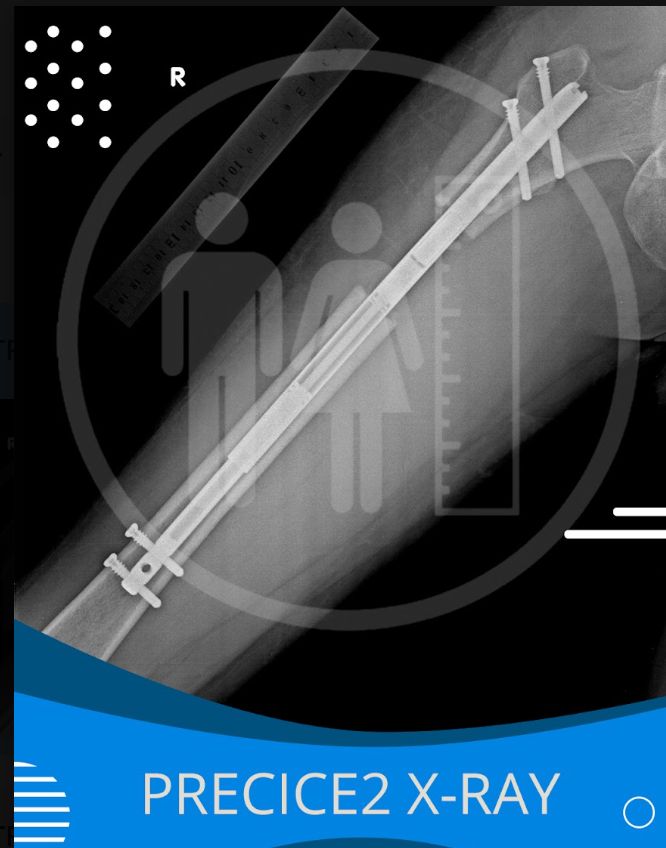 A real follow-up X-ray with the surgeon's notes
Before surgery: full-length standing X-ray
An orthoroentgenogram of both legs, hip to ankle. It shows the true length of each bone, any pre-existing difference between the legs and the axis of the limb; the surgeon plans the amount and the segment (femur or tibia) from this.
During lengthening: every 15 days
The surgeon checks that the gap is opening at the intended rate, that new bone is forming evenly, that the device and nail are in place, and that both legs are lengthening equally. If the regenerate is too thin or too dense, the daily rate is adjusted.
Consolidation: bone quality decides your activity
After lengthening ends, X-rays show how many of the cortices have bridged with solid bone. This, not the calendar, is what determines when you may put full weight on the leg, do light sports, or return to everything.
After you return home: remote X-ray follow-up
You have an X-ray taken in your own country at the intervals the surgeon sets, send it through your care group, and receive the surgeon's assessment and the next step. Follow-up continues until the bone is fully consolidated and the nails are ready to be removed.
What different stages look like on an X-ray
Four real follow-up X-rays and what the surgeon allowed at each stage. Your own timeline is decided from your own images.
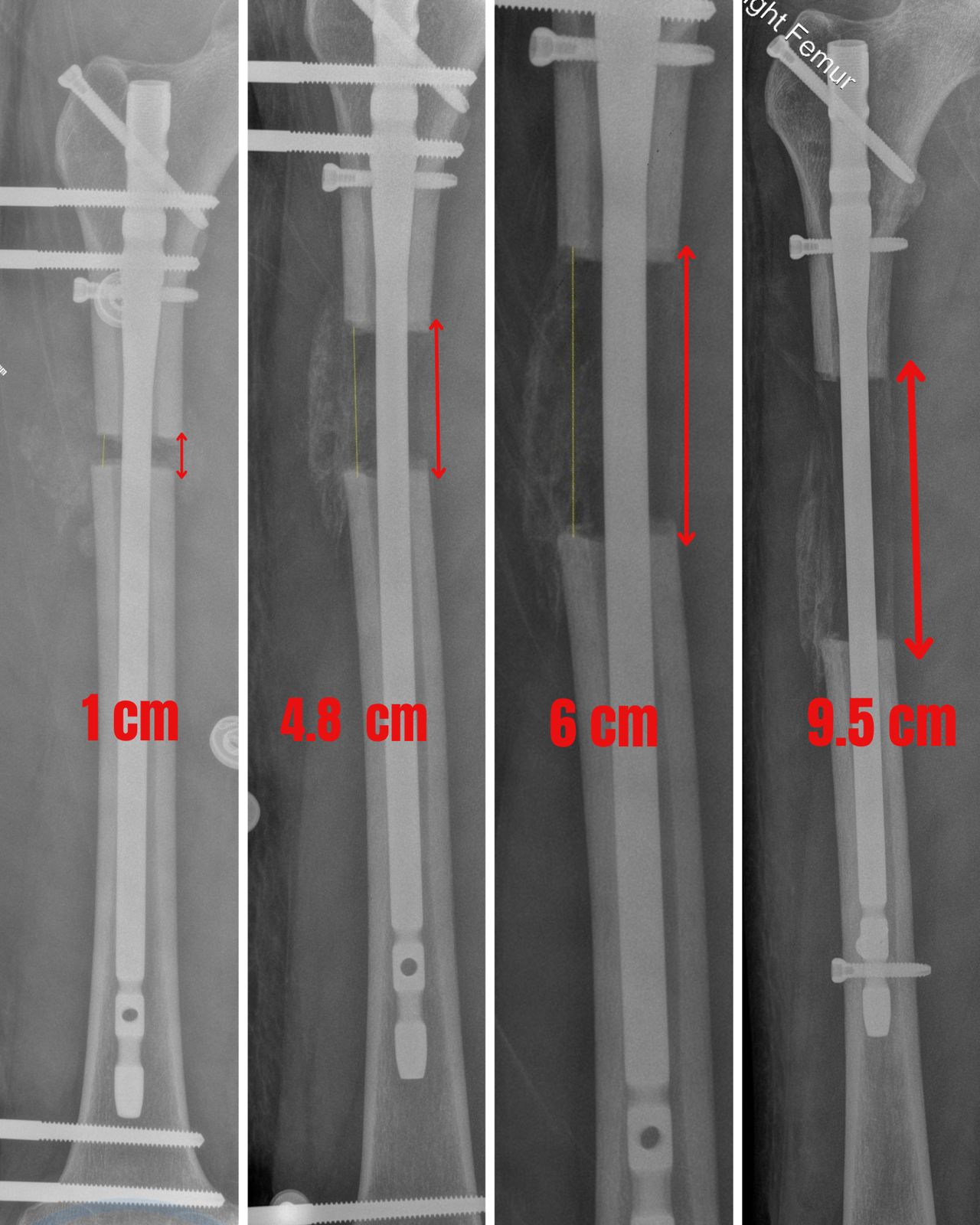
Walking only · LON
New bone is visible but still faint. Weight-bearing as instructed, walker or crutches, physiotherapy continues. No sports, no impact.
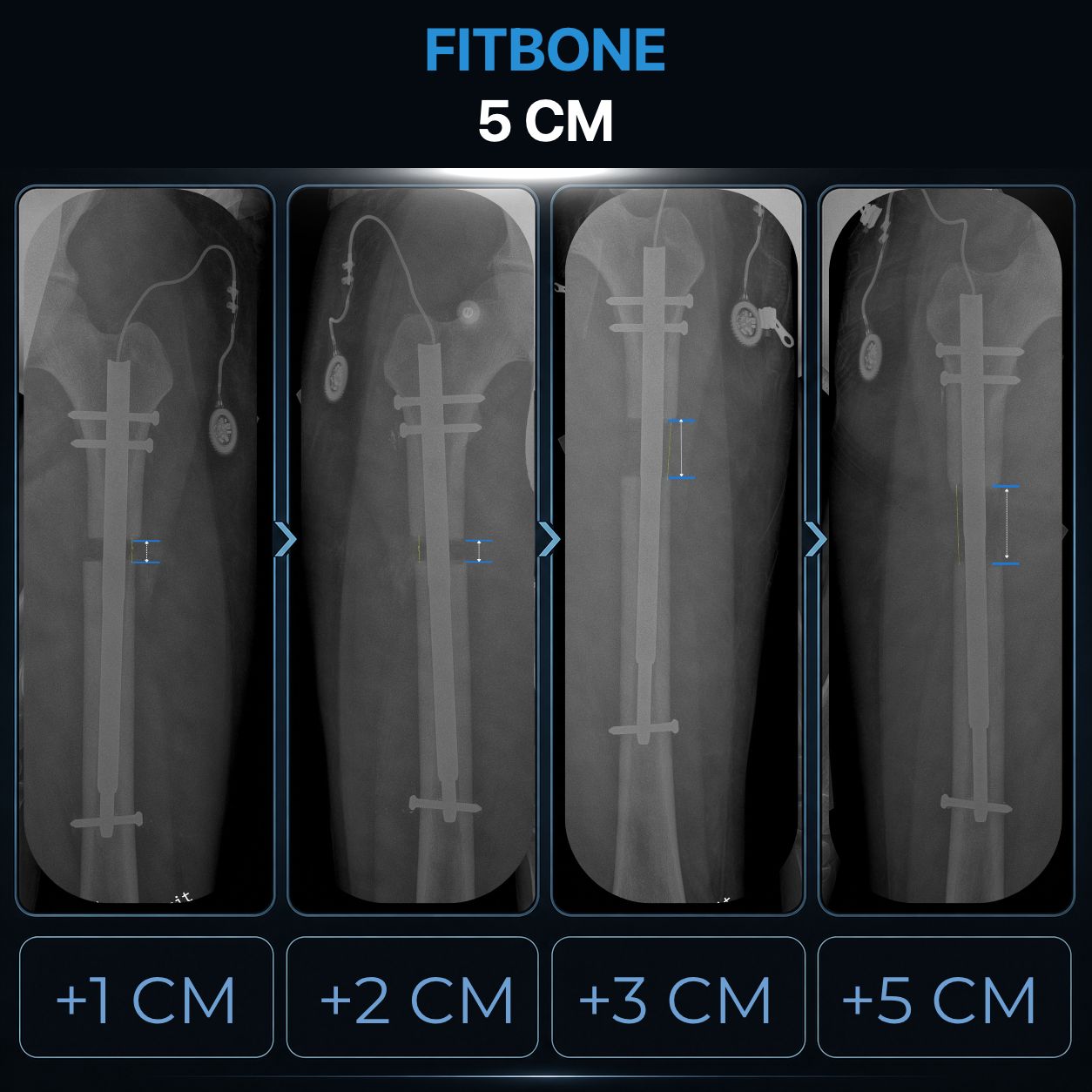
Light sports allowed · Fitbone
Most of the regenerate has hardened. The surgeon may allow swimming, stationary cycling and light gym work without impact.
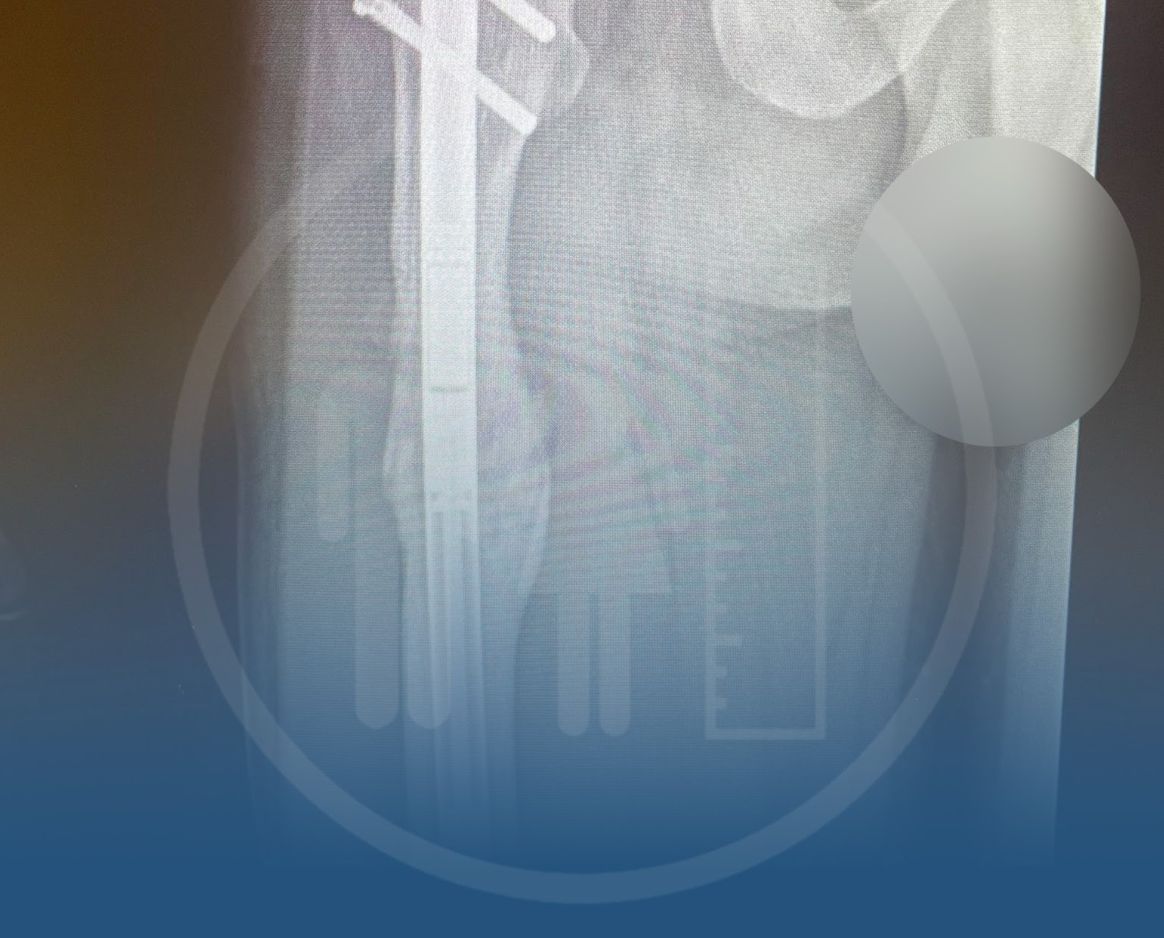
Every sport, no restriction · Precice 2
The new bone is indistinguishable from the old on the X-ray. Running, football, weight training; nothing is off limits. Nail removal can now be scheduled.
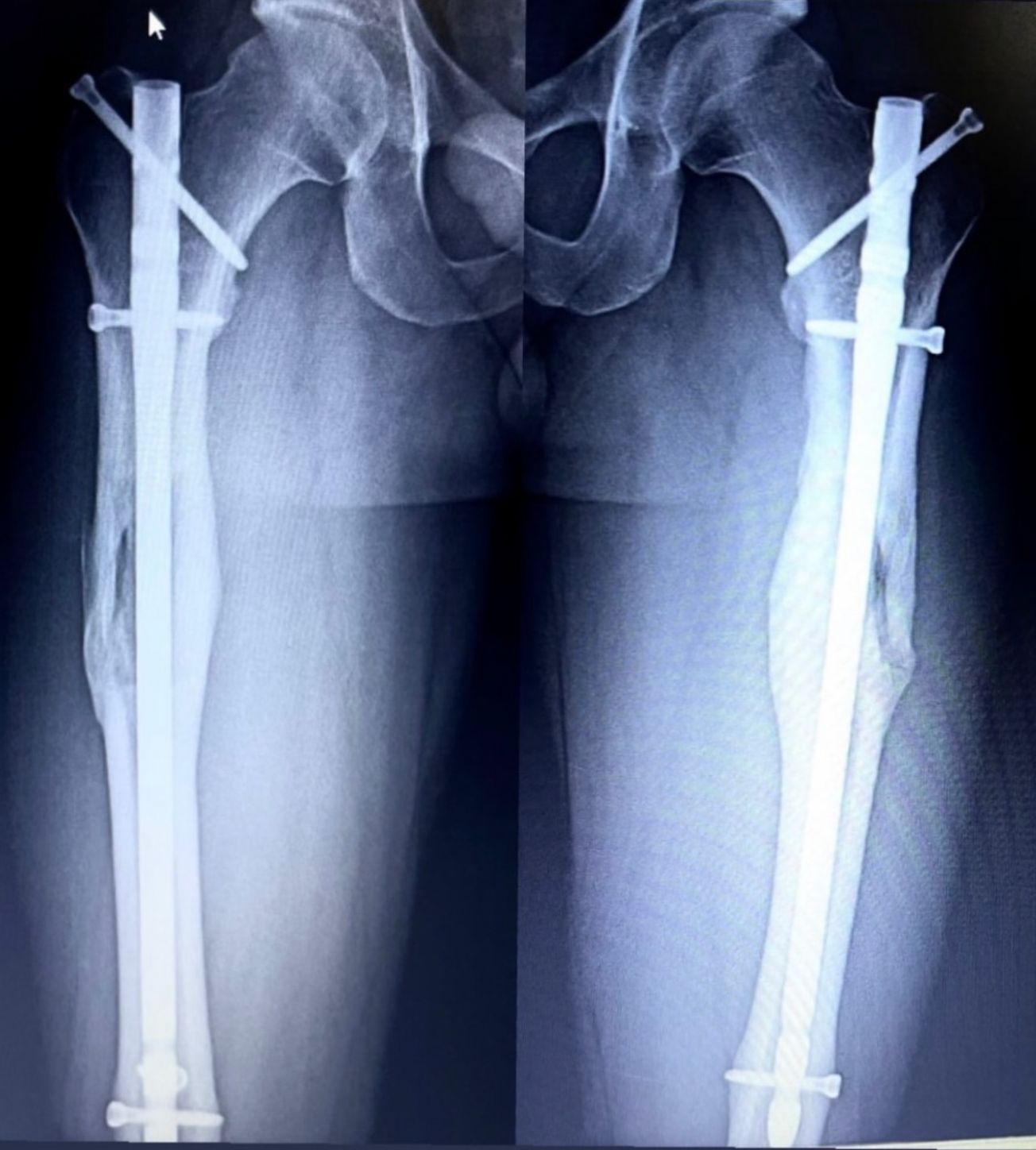
Fully healed · LON
The same result with LON: the external fixator is long gone, the internal nail remains and the regenerate has turned into solid, uniform bone along the whole segment.
Don't worry. Slow consolidation has a solution.
Some patients form new bone more slowly: age, smoking, nutrition, low vitamin D or simply individual biology. The follow-up X-rays catch it early, and the surgeon has a clear ladder of options, decided case by case:
- Adjusting the daily lengthening rate, or pausing for a few days to let the regenerate catch up.
- Nutrition and walking guidance: protein, calcium, vitamin D, and controlled weight-bearing, which stimulates bone formation.
- Prescribed nutritional supplements and the surgeon's own supplement protocol during consolidation.
- Biological support at the regenerate site: PRP (platelet-rich plasma prepared from your own blood) or stem cell injections derived from your own bone marrow, performed by the surgeon at the contracted hospital when he judges it necessary. Both use your own tissue, so there is no rejection risk.
- In rare cases, a longer consolidation period before nail removal; the timeline moves, the result does not.

Follow-up does not stop at the airport
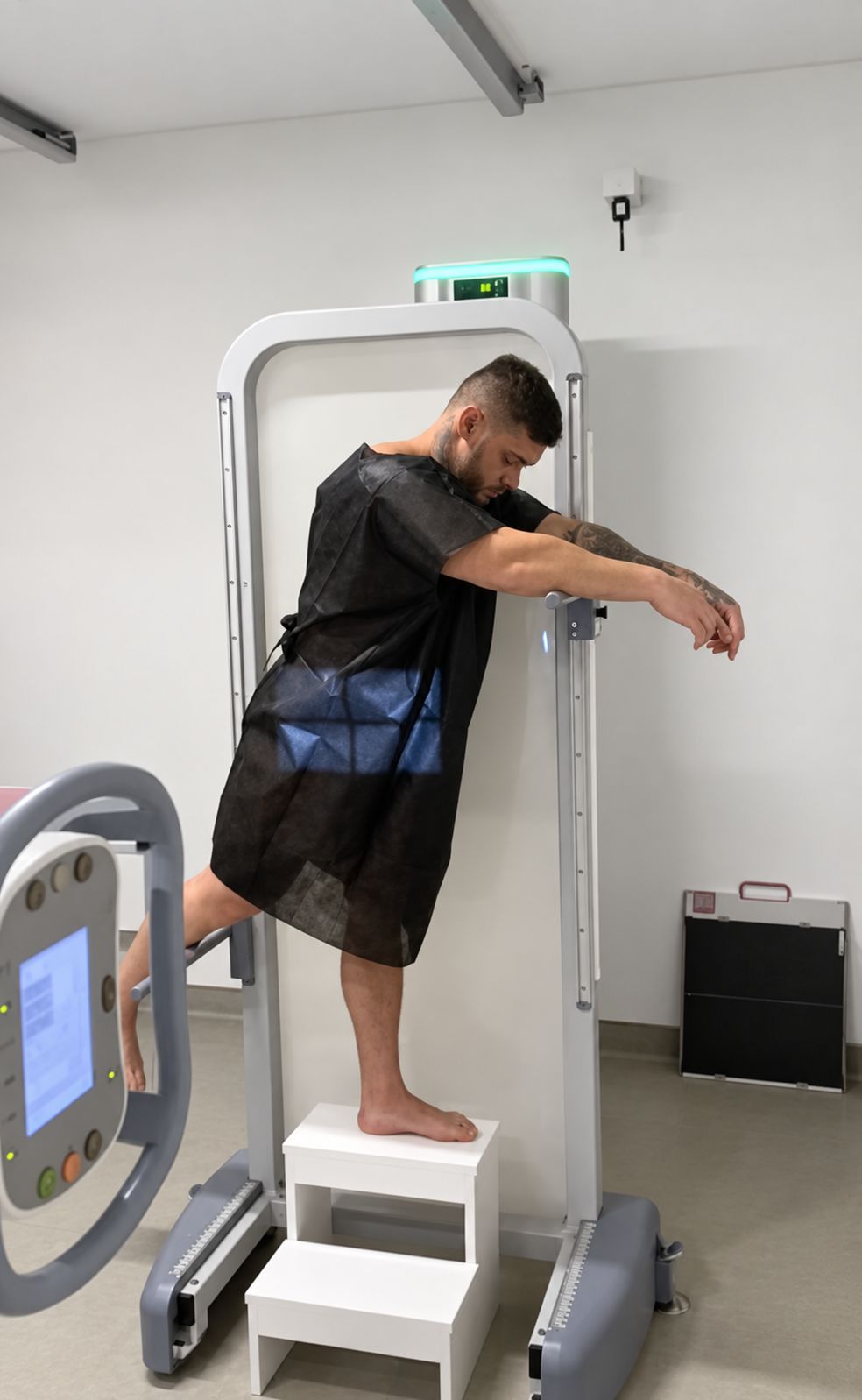 X-rays sent from home are reviewed the same way
X-ray schedule
Before you leave, you receive the dates for your next X-rays and exactly which views to ask for.
Send, and get an answer
Upload the images to your care group; the surgeon reviews them and replies with the next step.
Physiotherapy plan
A written home program for the consolidation months, matched to what your X-rays allow.
Nail removal
Usually 12–18 months after surgery, once the X-ray shows full consolidation; a separate, short procedure.
Talk to a coordinator who has walked this process with hundreds of patients.
Send your X-ray, ask about dressing care or the physiotherapy plan; you get an answer within hours, with no obligation.
Surgery, hospital stay and X-ray examinations take place at the contracted JCI-accredited hospital, BHT Clinic Istanbul Tema Hospital, performed and interpreted by Assoc. Prof. Dr. Yunus Öç. Wanna Be Taller acts as an international health tourism intermediary (authorization certificate no. AK-0198); transfers are provided by the contracted Group A travel agency Hemcar Turizm (certificate no. 12109). Care services are delivered by nurses and physiotherapists under the surgeon's plan. Individual results and timelines vary.