
Assoc. Prof. Dr. Yunus Öç — Orthopedics & Traumatology Specialist
Last reviewed: July 2026
Limb lengthening surgery is a procedure in which the bones in the legs are surgically lengthened. In classical methods, usually only one segment is treated, such as the femur or tibia. Quadrilateral limb lengthening is performed on both femurs and both tibias in the same surgical period, meaning four bones are treated. This allows patients to reach their target height in a shorter time. In this guide, we will explain how it is performed, method combinations, advantages, disadvantages, costs, recovery, and key points to consider.
1. Purpose of Quadrilateral Limb Lengthening Surgery and Who Is It Suitable For?
Purpose:
- Patients seeking greater overall height gain
- Cases where lengthening only the femur (upper leg) or only the tibia (lower leg) would not be sufficient.
- Those who want to achieve greater height gain in a shorter period of time.
Suitable Candidates:
- Individuals who are in good general health, have no bone disorders (such as osteoporosis), and do not have any chronic medical conditions that could prevent them from undergoing surgery.
- Patients who are psychologically prepared for the process, as it requires a long rehabilitation period and a high level of patient commitment and cooperation.
- Candidates who are determined to be suitable for quadrilateral limb lengthening surgery following a physical examination and radiological evaluation by the surgeon.
Before the procedure, the patient’s expectations, medical history, bone quality, and desired amount of lengthening are carefully evaluated. Therefore, the decision to undergo surgery should be made jointly by the patient and the surgeon after a thorough assessment.
2. Basic Information About How Quadrilateral Limb Lengthening Surgery Is Performed
In limb lengthening surgery, a controlled surgical bone cut (osteotomy) is performed. The bones are then gradually separated to stimulate the formation of new bone tissue in the gap. In the quadrilateral technique, this process is carried out on both the femurs (upper legs) and the tibias (lower legs). The main stages of the procedure are:
2.1. Surgical Preparation and Planning
- Before surgery, a comprehensive evaluation is performed, including X-rays, blood tests, an ECG (electrocardiogram), bone mineral density assessment, and an anesthesiology evaluation.
- The amount of lengthening for each bone is determined based on the patient’s goals, physical characteristics, and the surgeon’s assessment.
- A personalized surgical plan is created, and the appropriate implants and surgical devices are selected according to the patient’s bone anatomy and treatment plan.
2.2. Osteotomy (Bone Cut)
- Through a small incision at the planned surgical site, the bone is carefully exposed, and a controlled osteotomy (surgical bone cut) is performed.
- This procedure is carried out on both the femurs (upper legs) and the tibias (lower legs), meaning all four bones are prepared for the lengthening process.


2.3. Method Selection and Available Combinations
There are two main systems used in limb lengthening surgery:
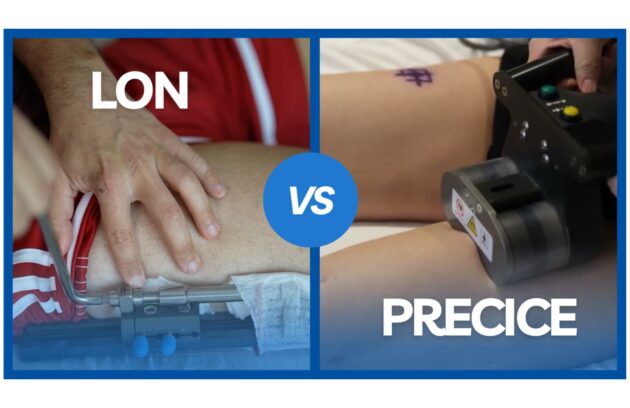
- External Fixator System: An intramedullary nail is inserted into the bone canal, and an external fixator mounted on the outside of the leg is used to perform gradual daily lengthening. The Lon method uses this system. Once the desired lengthening is achieved, the external fixator is removed, while the internal nail remains in place to support the bone during the healing process.
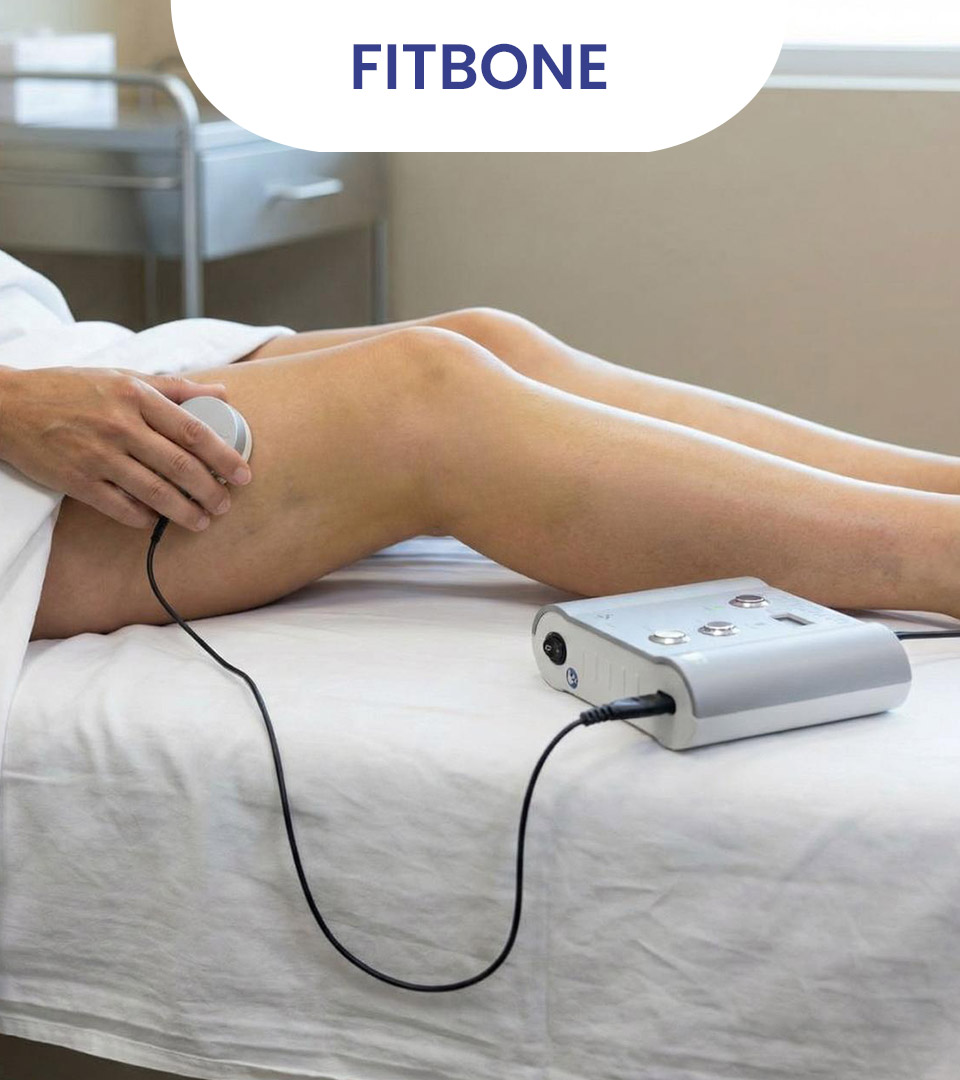
- Internal Lengthening Systems: An intramedullary lengthening nail is implanted inside the bone through a small incision. Fitbone and Precice 2 belong to this category. There is no external device, and the lengthening is performed gradually each day using a magnetic or electronic remote control.For quadrilateral limb lengthening surgery, our surgeon performs the procedure using two different treatment configurations:
Option 1
The Lon method is used for one bone segment, while a fully internal lengthening system (either Fitbone or Precice 2) is used for the other. For example, Fitbone may be used for the femurs (upper legs) and Lon for the tibias (lower legs). This combination offers a balance between cost-effectiveness and patient comfort.
Option 2
Internal lengthening systems are used for both bone segments. Possible combinations include Fitbone + Fitbone, Precice 2 + Precice 2, or Fitbone + Precice 2. Since there are no external devices, this option provides the highest level of comfort throughout the treatment process. Using external fixators on both the femurs and tibias simultaneously is not performed by our surgeon, as it significantly increases surgical complexity and may compromise patient safety, recovery, and overall comfort. Therefore, in every quadrilateral limb lengthening procedure, at least one bone segment is treated with an internal lengthening system (Fitbone or Precice 2).
You can find more detailed information about these risks in Section 6.
The duration of the surgery depends on the selected treatment combination. In our surgeon’s practice, the Lon + Fitbone combination typically takes approximately 4.5 hours, while the Fitbone + Fitbone combination takes approximately 3.5 hours.
The choice of which method will be used for each bone segment is determined jointly by the surgeon and the patient, taking into account the patient’s bone anatomy, treatment goals, and budget.
2.4. Postoperative Lengthening Phase
- The lengthening phase, known as the distraction phase, usually begins about 7 days after surgery.
- Lengthening is performed at a rate of up to approximately 1 mm per day for each bone segment. Since both the femurs and tibias are lengthened simultaneously, the total daily height gain is approximately 1.75–2 mm. This rate is adjusted according to the patient’s bone healing progress and the surgeon’s treatment protocol.
- The distraction phase continues until the planned amount of lengthening has been achieved.
- Once the lengthening phase is complete, the external fixator is removed from the limb treated with the Lon method.
2.5. Consolidation Phase (Bone Healing and Strengthening)
- After the desired amount of lengthening has been achieved, the newly formed bone must harden and fully consolidate. Depending on the amount of lengthening, this process typically takes between 12 and 15 months.
- Once the bone has become sufficiently strong, the intramedullary nails may be removed by the surgeon. In the Lon method, removal of the internal nail is optional. However, our surgeon recommends removing the intramedullary nails used in the Fitbone and Precice 2 systems after the healing process has been completed. This is because these nails are not fully compatible with MRI, and there is still limited long-term data regarding their presence in the body.
3. Advantages of the Quadrilateral Method
3.1. Greater Height Gain
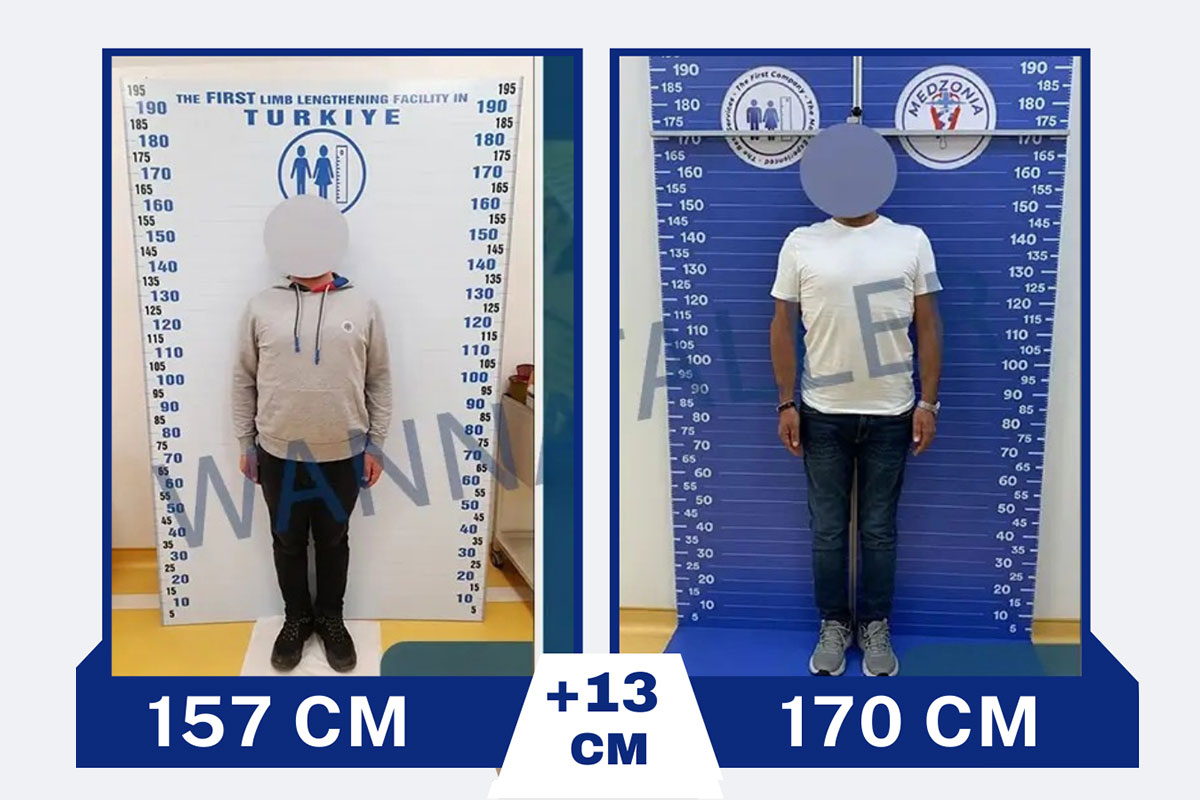
- Because all four bones in both legs are lengthened, the quadrilateral method can achieve a significantly greater overall height increase compared to lengthening only the femurs or only the tibias. Instead of approximately 6–8 cm, it is possible to achieve around 8–15 cm or even more in suitable candidates.
- You can view the before-and-after photos of one of our patients who achieved a total height increase of 13 cm.
3.2. A More Natural Appearance and Better Proportions
- Since both the femurs and tibias are lengthened together, the overall leg proportions and muscle balance can be preserved more naturally, resulting in a more balanced and aesthetically pleasing appearance.
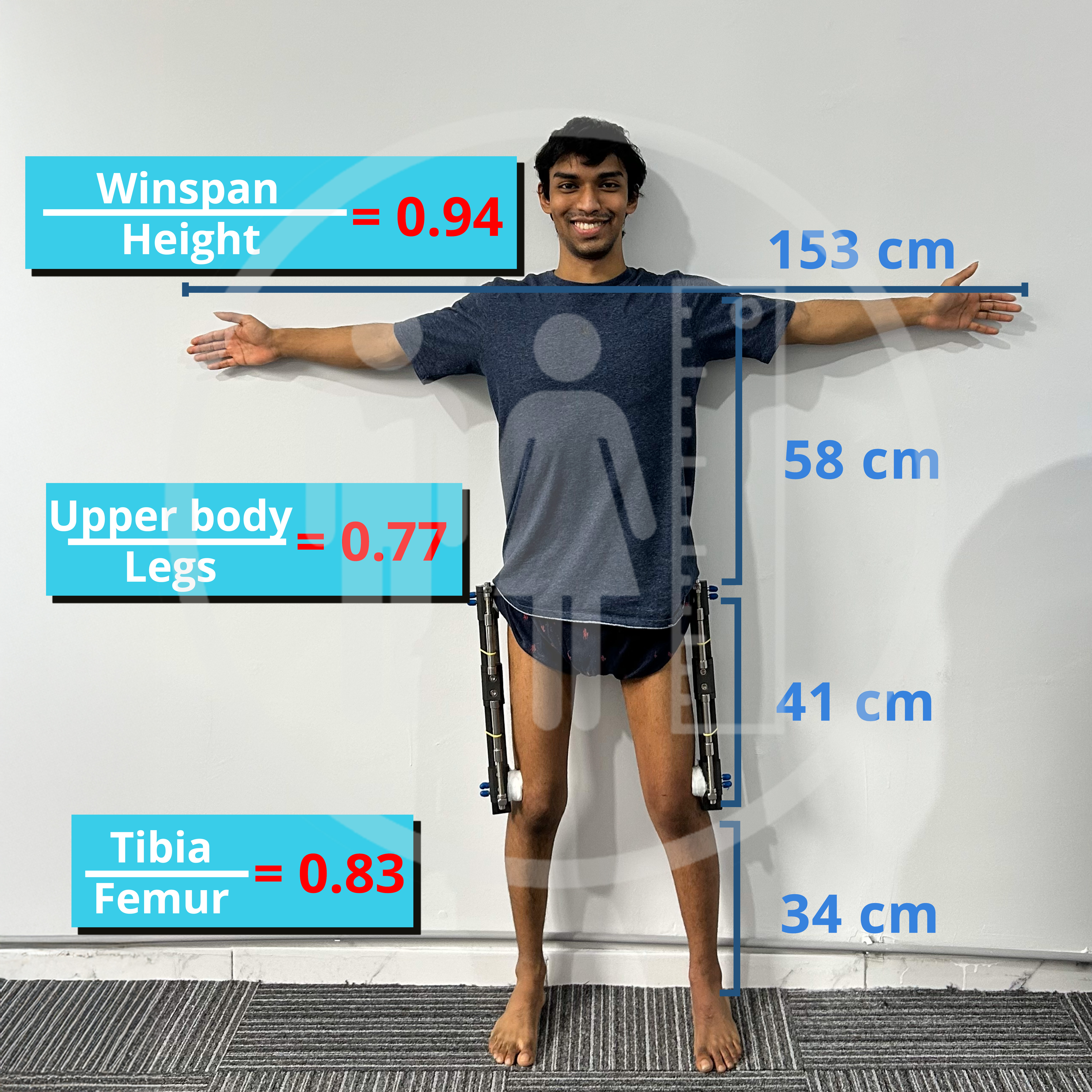
Above, the patient’s body measurements were analyzed, and the golden ratio between the femurs (upper legs) and tibias (lower legs) was calculated to evaluate overall body proportions.
3.3. Time Efficiency
- Since all four bones are lengthened within the same treatment period, patients may achieve their desired height through a single treatment plan rather than undergoing two separate surgical journeys.
- Although the postoperative care and follow-up period may be more demanding, the overall treatment process can often be completed within one intensive recovery period instead of being spread over several years.
3.4. Reduced Need for Multiple Anesthesia Procedures
- For patients who have an increased risk associated with anesthesia or who wish to minimize the stress of undergoing multiple operations, the quadrilateral approach may offer an advantage by reducing the number of major surgical procedures.
- In addition, when fully internal systems such as Fitbone or Precice 2 are used on both bone segments, the surgery itself is shorter. For example, the Fitbone + Fitbone combination typically takes approximately 3.5 hours, which also reduces the total duration of anesthesia.
4. Disadvantages and Challenges of the Quadrilateral Method
4.1. A More Complex Surgical Procedure
- A quadrilateral limb lengthening procedure requires a high level of surgical expertise and technical skill. Compared with single-segment lengthening, the operation takes longer (approximately 3.5–4.5 hours depending on the method combination), and the hospital stay may also be slightly longer.
4.2. Increased Pain and Discomfort
- Since both the femurs and tibias are operated on at the same time, patients may experience a higher level of pain and discomfort during the early postoperative period. Effective pain management is therefore an important part of the recovery process.
4.3. Greater Rehabilitation Requirements
- The recovery period requires a more intensive rehabilitation program, including muscle-strengthening exercises, physiotherapy, and mobility training.
- Because both the upper and lower parts of the legs are healing simultaneously, walking, climbing stairs, and returning to daily activities may take longer than after a single-segment procedure. However, with a well-planned and consistent physiotherapy program, recovery can be significantly accelerated.
- In the video below, you can watch one of our patients performing daily activities after returning to a normal lifestyle following treatment.
4.4. Increased Risk of Complications
- Because a greater total length of bone is being lengthened, the risk of complications involving the nerves, blood vessels, and surrounding muscles may increase.
- Complications such as soft tissue tightness, joint stiffness, or infection may occur more frequently in quadrilateral limb lengthening than in single-segment procedures. To minimize these risks, our surgeon carefully selects the most appropriate treatment combination for each patient based on their individual condition.
4.5. Higher Cost
- Depending on the selected treatment methods, the cost of quadrilateral limb lengthening is approximately twice that of a single-segment procedure. In addition, a longer hospital stay and increased treatment-related expenses contribute to the overall cost of the procedure.
5. Recovery Process and Rehabilitation
5.1. The First Days (Hospital Stay)
- After quadrilateral limb lengthening surgery, patients typically remain in the hospital for approximately 7 days. During this period, pain management, wound care, and early mobility training are provided with the support of physiotherapists.
- To reduce the risk of blood clots, patients are prescribed blood-thinning medication and are advised to wear compression stockings as recommended by the surgeon.
5.2. The Lengthening Phase
- The lengthening phase usually begins 7 days after surgery. Following the surgeon’s protocol, each bone segment is lengthened by up to approximately 1 mm per day, resulting in a total daily height gain of about 1.75–2 mm.
- X-rays are taken every 15 days to monitor the lengthening process. Bone regeneration (osteogenesis) and the accuracy of the lengthening are carefully evaluated throughout treatment.
- Physiotherapy is essential during this phase. Stretching exercises and light strengthening exercises are performed to maintain muscle strength, tendon flexibility, and joint mobility.
5.3. The Consolidation Phase (Bone Healing and Hardening)
- Once the planned amount of lengthening has been achieved, the distraction process is stopped. The external fixator is removed from the limb treated with the Lon method, and the newly formed bone is allowed to harden and consolidate.
- Depending on the amount of lengthening and the patient’s bone healing capacity, this phase typically lasts between 12 and 15 months.
- The intramedullary nails can be removed only after the bone has become sufficiently strong, as determined by the surgeon.
5.4. Physiotherapy and Return to Daily Life
- An intensive physiotherapy program is carried out to strengthen the leg muscles, improve joint range of motion, and restore a normal walking pattern.
- Because both the femurs and tibias are lengthened simultaneously, additional attention must be given to preventing limping and maintaining proper balance during walking.
- When necessary, assistive devices such as crutches, walkers, or wheelchairs are used to support mobility during recovery.
6. Why Isn’t the Lon Method Used in Both Bone Segments?
Using external fixators on both the femurs and tibias during quadrilateral limb lengthening significantly increases the risks and reduces patient comfort. For this reason, our surgeon requires that at least one bone segment be treated with an internal lengthening system, such as Fitbone or Precice 2.
The main disadvantages of using external fixators on both bone segments simultaneously include:
- Limited Sleeping Positions: External fixators on the tibias are positioned on the inner side of the legs, while those on the femurs are placed on the outer side. As a result, patients are generally limited to sleeping on their backs, which can significantly reduce sleep quality.
- Severe Restriction of Movement: Having external fixators on all four bones can greatly limit the movement of the ankles, knees, and hips. Walking, getting out of bed, and performing basic daily activities become considerably more difficult.
- Slower Healing and Increased Risk of Nonunion: The greater mechanical burden placed on the legs may slow the healing process and increase the risk of nonunion (failure of the bone to heal). In addition, proper muscle recovery may become more challenging.
- Higher Risk of Infection: Since external fixators require multiple pin insertion sites, using them on all four bones increases the likelihood of pin-site infections.
With only a single external fixator, most patients are able to manage their daily activities comfortably. Shower restrictions apply only during the initial postoperative period. Approximately 15 days after surgery, and with your surgeon’s approval based on your healing progress and overall condition, you may begin showering. Immediately after each shower, your pin sites will be carefully cleaned and redressed by our medical team. Thanks to this standardized postoperative care protocol, which combines controlled showering with regular pin-site dressing changes, we have not experienced pin-site infections among our patients to date.
For these reasons, quadrilateral limb lengthening is currently performed using either a Lon method on one bone segment and an internal system (Fitbone or Precice 2) on the other, or internal lengthening systems on both bone segments. These approaches provide a safer treatment process while improving patient comfort and reducing the risk of complications.
7- Quadrilateral Limb Lengthening Surgery Price
Limb lengthening surgery is a significant investment, and we aim to make our patients’ decision-making process easier by presenting costs transparently. At Wannabetaller, we maintain high-quality medical standards while offering clear and straightforward pricing. For patients who wish to undergo quadrilateral limb lengthening (simultaneous femur and tibia lengthening), we offer several treatment options based on the implant system used.
Fitbone + Fitbone – 107,000 USD
(Single surgery price: 54,000 USD)
This package uses the Fitbone internal motorized nail for both the femur and tibia. Since both segments are lengthened with fully internal implants, patients benefit from greater comfort during the lengthening process and do not require external fixation.
Precice 2 + Precice 2 – 115,000 USD
(Single surgery price: 58,000 USD)
This package includes the Precice 2 internal magnetic nail in both the femur and tibia. It offers the highest level of comfort thanks to its fully internal design, allowing precise and controlled lengthening without external fixators.
Femur Fitbone + Tibia LON – 79,400 USD
This combined method uses the Fitbone internal nail for the femur and the LON (Lengthening Over Nail) technique for the tibia. It offers an excellent balance between comfort and cost while allowing simultaneous lengthening of both bone segments.
Femur Precice 2 + Tibia LON – 83,400 USD
This option combines the Precice 2 internal magnetic nail in the femur with the LON technique in the tibia. Patients benefit from the comfort of an internal system in the femur while maintaining a more economical overall treatment cost compared to fully internal methods.
Services Included in the Surgery Price
For a comprehensive, safe, and seamless limb lengthening experience, we provide the following services included in the surgery price:
✅ Airport pick-up and VIP transfers (by our partner travel agency)
✅ Visit to historical sites in Istanbul accompanied by your companion
✅ For our international patients, a complication insurance policy issued by our contracted insurer is included (valid for 6 months and subject to policy terms), covering up to €30,000 for medical treatment, €1,000 for accommodation, €1,000 for transportation, €350 for baggage, €500 for legal support, and €200 for treatment expenses in the patient’s home country.
✅ VIP transfers throughout your journey (operated by our partner travel agency)
✅ An experienced companion who speaks your language to support you during your hospital stay
✅ Pre-operative consultation and tests with the doctor (blood test, ECG, height X-ray, anesthesia)
✅ Use of specially designed anatomical nails during surgery (this method may support bone healing and allow easier mobility during recovery)
✅ 7-day hospital stay
✅ Support from a physiotherapist and necessary medications during your hospital stay
✅ Provision of walker, crutches, and wheelchair
✅ Patient kit
✅ Free consultations with doctors and patient coordinators whenever needed
✅ All hospital expenses related to the operating room and recovery room
✅ Surgeon, anesthesiologist, and surgical assistant fees
Note: External fixator removal surgery is also included in the price.
Our team provides attentive personal care and support from the pre-surgery phase throughout your recovery process. This way, we aim to support every step of your treatment journey while prioritizing comfort and safety.
⚠️ Post-hospital recovery process and accommodation are *not included.*
Post-operation Accommodation Prices
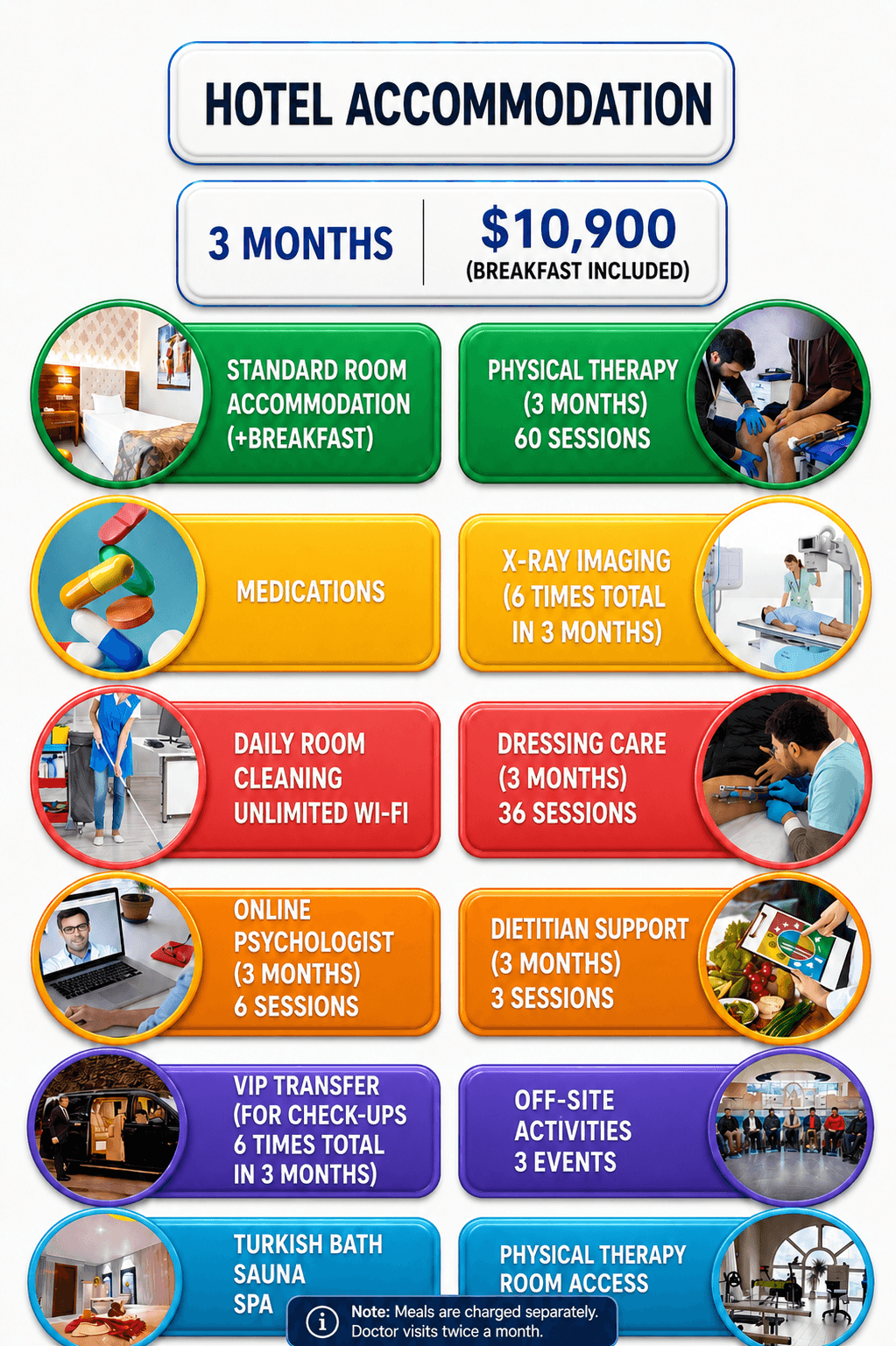
In the image below, you can find our monthly and 3-month rates, as well as the included services, for our patients who prefer hotel accommodation after surgery.
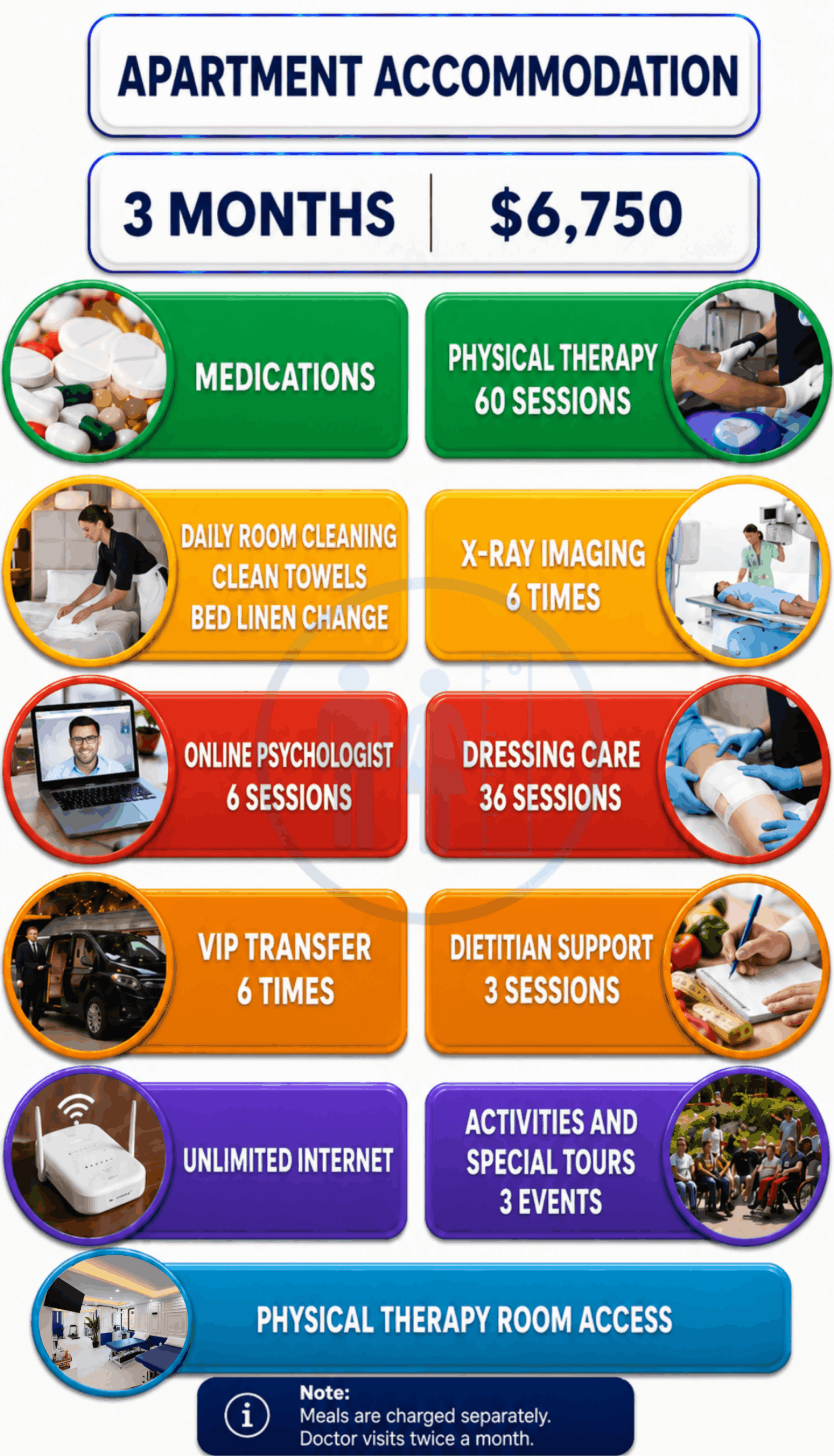
For patients who prefer apartment accommodation, our monthly and 3-month package prices, along with the services included, are listed below.
Transparent and Clear Pricing
There are no hidden fees in our services. All costs are presented transparently during the initial consultation through a detailed price quotation. This allows our patients to have a clear understanding of the total treatment cost before beginning their journey.
8. Frequently Asked Questions
1. How Much Height Can I Gain?
- Every patient is different in terms of bone structure, age, and overall health. In general, it is possible to achieve a total height increase of 10–13 cm, and in some cases even more. The exact amount can only be determined after a detailed evaluation by your surgeon.
2. How Long Does Quadrilateral Limb Lengthening Surgery Take?
- The duration of the procedure depends on the selected treatment combination. The Lon + Fitbone combination typically takes approximately 4.5 hours, while the Fitbone + Fitbone combination usually takes about 3.5 hours. Combinations using fully internal systems (Fitbone/Precice 2) generally require less operating time.
3. How Is Pain Managed After Quadrilateral Limb Lengthening Surgery?
- Postoperative pain is managed with the pain medications prescribed by your surgeon and by encouraging early mobilization. Physiotherapy also plays an important role in reducing discomfort and improving overall recovery.
4. Will the Surgical Scars Be Permanent?
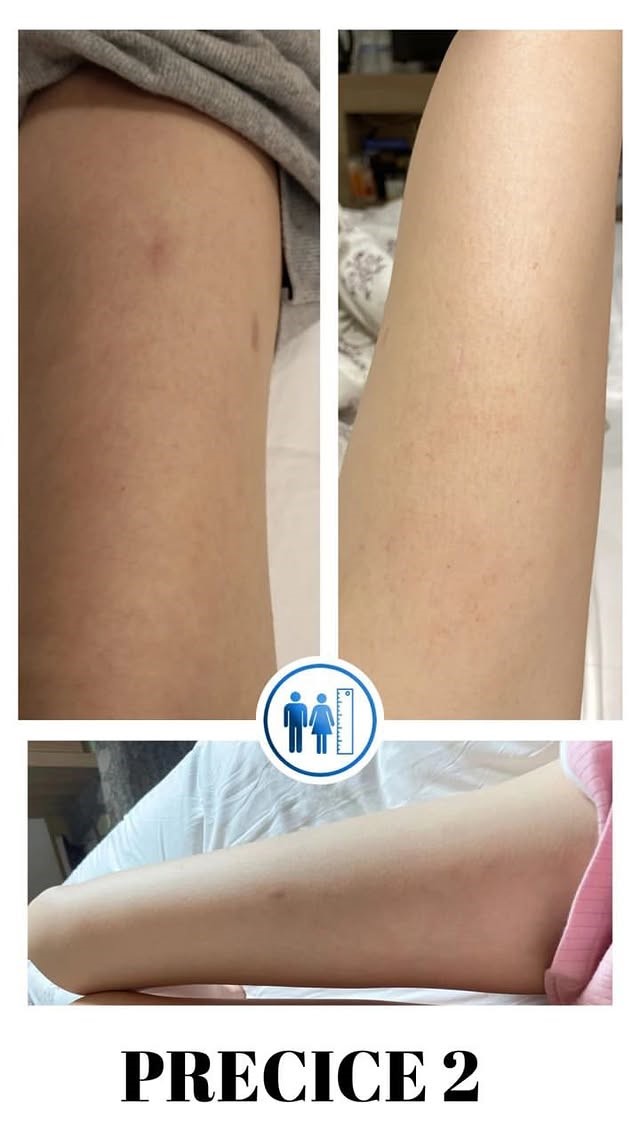
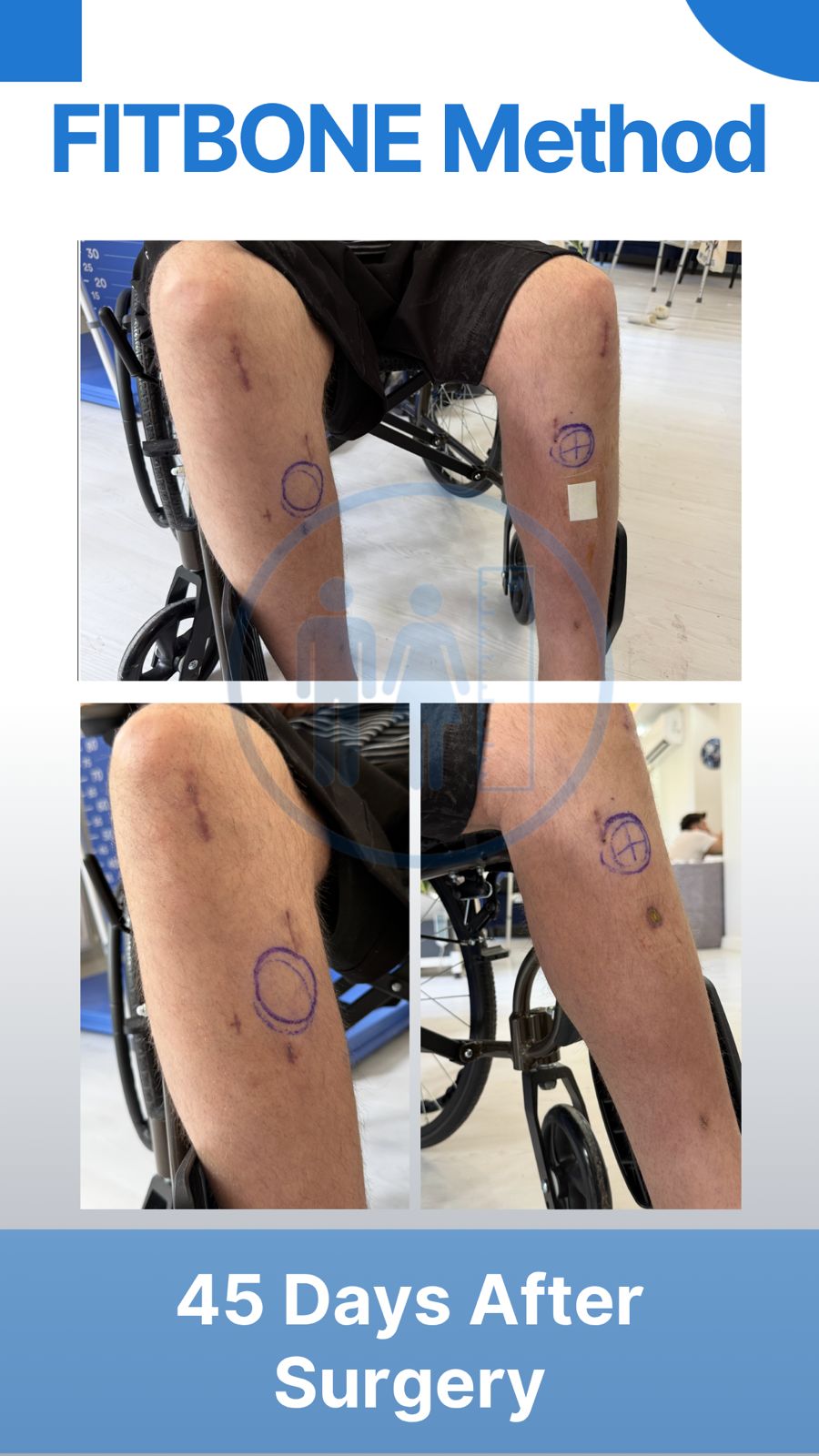
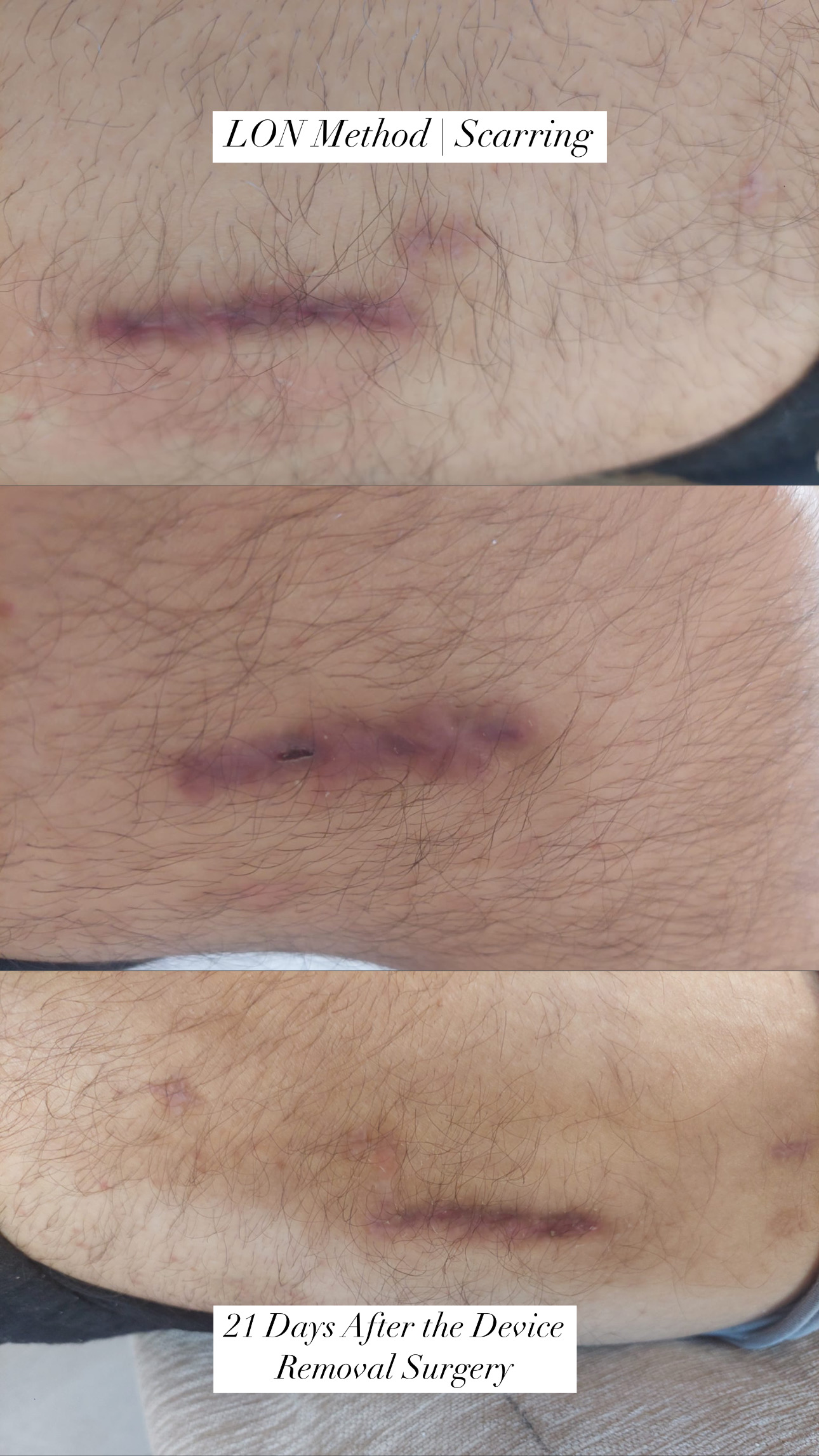
- As with any surgical procedure, scars may remain at the incision sites and, in the case of the Lon method, at the external fixator pin sites. Modern surgical techniques are designed to keep these scars as small and discreet as possible. You can see examples of the scars associated with each method in the image below.
5. Can I Return to Sports After Completing the Lengthening Process?
- Once the bone has completely healed and strengthened, and after receiving your surgeon’s approval, you can gradually return to sports. Because quadrilateral lengthening involves four bone segments, these timelines are slightly longer than in single-segment surgery: light physical activities such as swimming are generally permitted after 8–12 months, while high-impact or strenuous sports usually require waiting approximately 12–15 months.
- Throughout this period, your surgeon will evaluate your X-rays to monitor bone healing, assess your mobility, and determine when it is safe for you to resume your normal daily activities.
6. When Can I Return to Work or School After Surgery?
- This depends on several factors, including the amount of lengthening, your healing progress, the physical demands of your work or studies, and whether the procedure was performed using the Lon method or an internal system (Fitbone/Precice 2). In general, returning to normal daily life takes approximately 6 months.
- If you have a desk job, it is often possible to work remotely on a limited basis during the lengthening phase. However, jobs that require significant physical activity should be postponed until the healing process has been completed.
.
9. Conclusion and Recommendations
Quadrilateral limb lengthening surgery is an attractive option for patients who wish to achieve greater height gain and complete the lengthening process within a single treatment journey. By lengthening both the femurs and tibias simultaneously, patients have the potential to reach their target height in a shorter period. The treatment combinations used by our surgeon—either the Lon method on one bone segment with an internal system (Fitbone or Precice 2) on the other, or internal systems (Fitbone or Precice 2) on both bone segments—are carefully planned to achieve the best balance between safety and patient comfort.
However, patients should also consider the more extensive nature of the surgery, the increased rehabilitation requirements, postoperative discomfort, and the higher risk of complications associated with this advanced procedure.
Important Considerations
- Choose an Experienced Surgeon:
Quadrilateral limb lengthening is a highly specialized procedure. It should be performed by an experienced orthopedic surgeon with a proven track record. - Have Realistic Expectations:
Before making a decision, discuss your target height, recovery timeline, and potential risks thoroughly with your surgeon. - Nutrition and Smoking:
A diet rich in protein, calcium, and vitamin D supports bone healing. Smoking, on the other hand, has a negative effect on bone regeneration and should be avoided. - Regular Follow-up and Physiotherapy:
During the lengthening process, regular clinical examinations and X-ray evaluations should not be missed. Following your physiotherapy program consistently is essential for achieving the best possible outcome. - Psychological Support
The limb lengthening journey is long and requires patience. Staying strong both physically and mentally is important, and seeking professional psychological support when needed can be beneficial throughout the recovery process.Please remember that this guide is intended to provide general medical information only. For a personalized medical evaluation and treatment plan, you should consult an experienced orthopedic surgeon. When it comes to your health, the most accurate advice can only be provided after a comprehensive medical examination and an individual assessment by your doctor.
Wannabetaller: You’re in Safe Hands with Our Comprehensive Services
Successfully completing a limb lengthening journey requires far more than surgery alone. At Wanna Be Taller, your comfort, safety, and satisfaction are our highest priorities. As the first dedicated limb lengthening center established in Turkey, we provide comprehensive, end-to-end support throughout every stage of your treatment.
1. Personalized Consultation and Treatment Planning
Every patient has unique goals and needs. Before surgery, our experienced team performs a comprehensive evaluation to create a personalized treatment plan based on your medical history, physical condition, and desired height gain.
2. Accommodation with VIP Transportation Operated by Our Partner Travel Agency
To support a comfortable recovery, carefully selected accommodation options are available. VIP transportation services, including transfers between the airport, your hotel, the hospital, and all scheduled medical appointments, are operated by our licensed partner travel agency.
3. Professional Nursing Care and 24/7 Patient Support
Our experienced nursing team is available around the clock throughout your hospital stay. They closely monitor your recovery, assist with daily care, and respond promptly to any medical concerns or emergencies.
4. Personalized Physiotherapy and Rehabilitation
Physiotherapy is one of the most important factors for a successful recovery. Our licensed physiotherapists develop individualized rehabilitation programs focused on improving muscle strength, maintaining joint mobility, and helping you return to normal daily activities as safely and efficiently as possible.
5. Regular Follow-up and Medical Monitoring
Your recovery is carefully monitored through scheduled follow-up appointments and periodic X-rays. Bone healing and lengthening progress are evaluated continuously, allowing your surgeon to make any necessary adjustments to your treatment plan.
6. Psychological Support
Limb lengthening is both a physical and emotional journey. Our psychological support services help patients stay motivated, adapt to the recovery process, and maintain a positive mindset throughout treatment.
7. International Patient Services
We provide comprehensive assistance for international patients, including visa guidance, interpreter services, and support with cultural and practical needs. Our goal is to ensure that your entire treatment experience in Turkey is smooth, comfortable, and stress-free.
8. Postoperative Follow-up and Home Care Options
Recovery continues after you leave the hospital. To support this stage, we offer home care services, including nursing visits and home physiotherapy when needed, helping you continue your rehabilitation in a safe and comfortable environment.
As the Wannabetaller team, we continue to share the most up-to-date information about limb lengthening surgeries. If you are considering advanced surgical methods like quadrilateral surgery, you can get more detailed information from our patient consultants or learn about any medical and technical details you are curious about during your examination with our doctor.
For detailed information and an appointment:
Telephone&WhatsApp: +90 531 988 30 90
E-mail: support@wannabetaller.com
Instagram: @leg_lengthening_surgery
2 Comment