
Move every day.
Grow every day.
Lengthening a bone also stretches every muscle, tendon and nerve around it. Physiotherapy keeps your joints moving, your walk healthy and your recovery on schedule. Sessions happen in the physiotherapy room of the patient recovery building, with the contracted physiotherapy team, under your surgeon's plan.
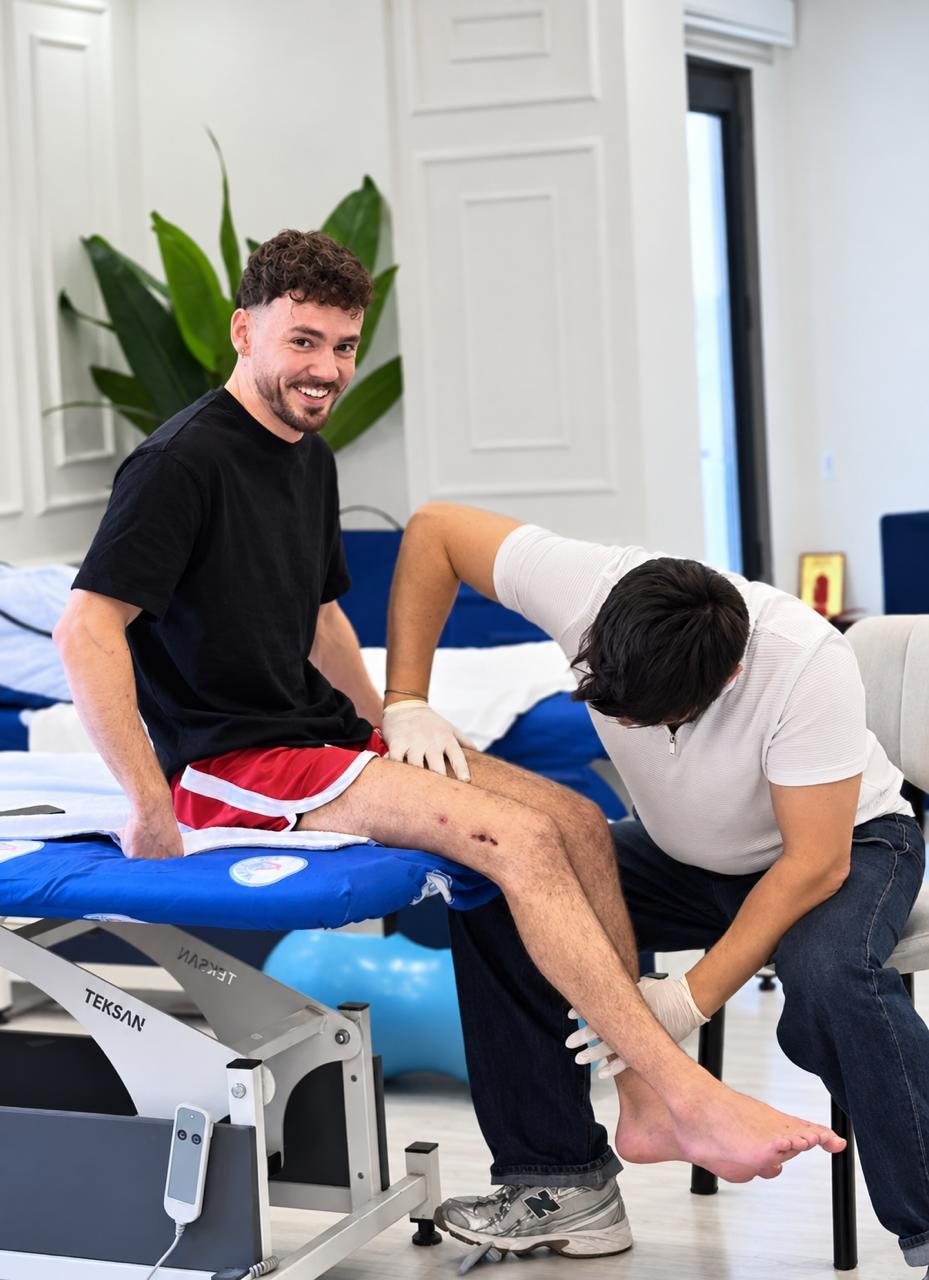 Session · Recovery building
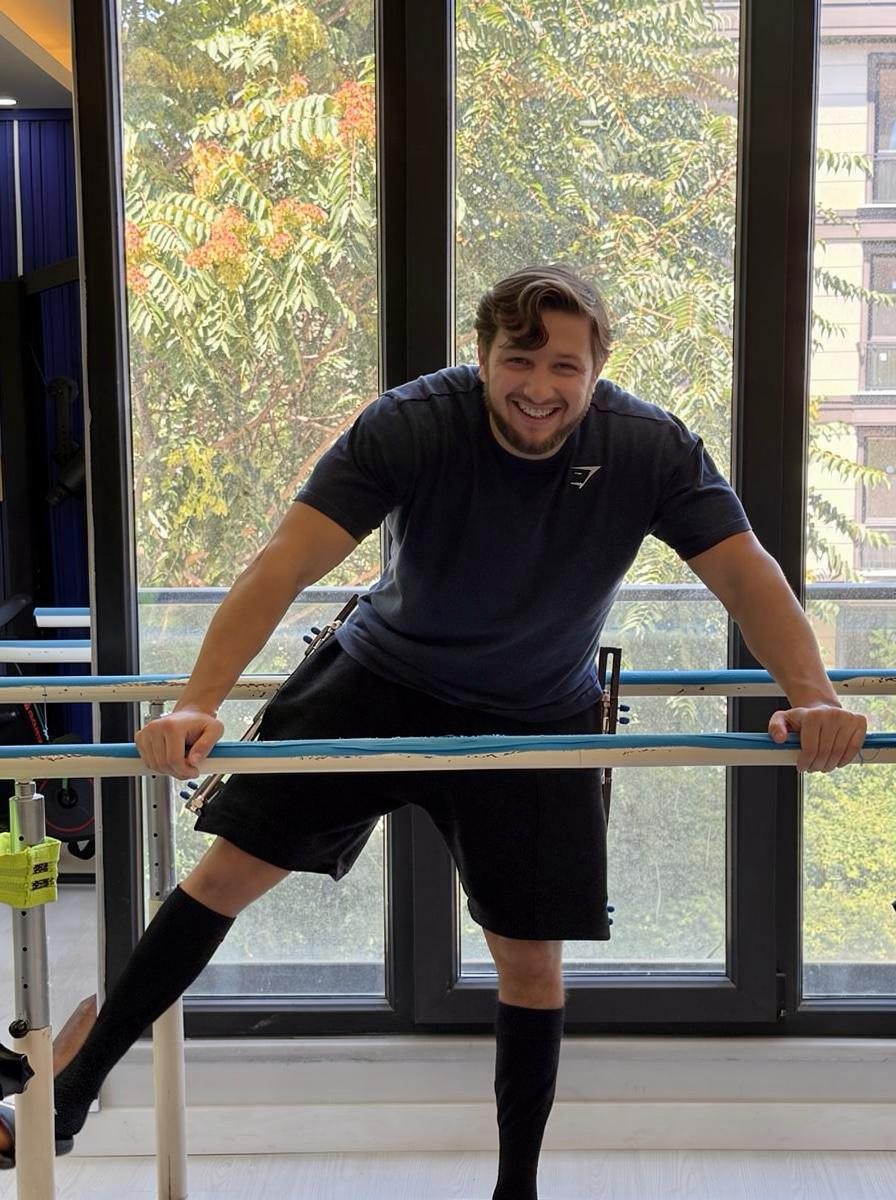 Gait training
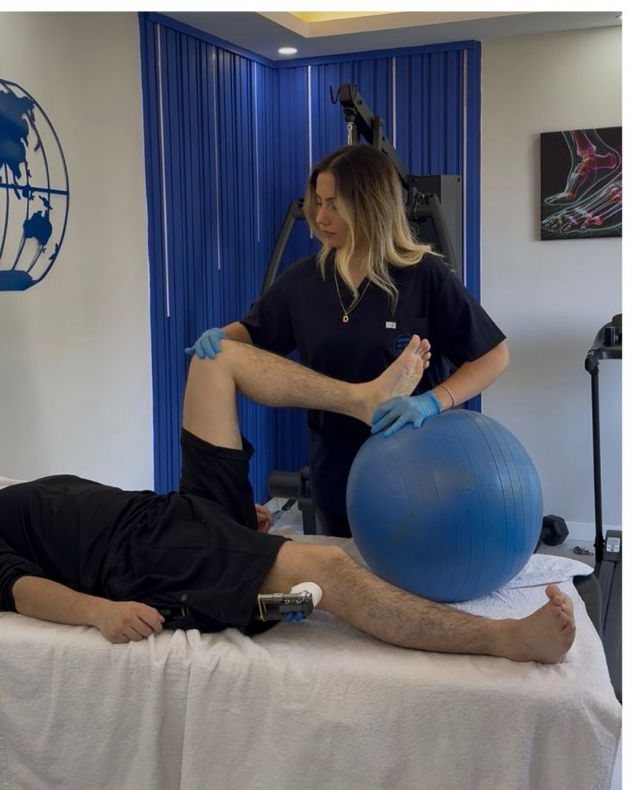 Supported exercise
Bone grows in millimetres. Soft tissue has to keep up.
During distraction the bone lengthens about 1 mm a day, and the muscles, tendons, vessels and nerves around it are stretched by the same amount, every day, for weeks. Moved, stretched and strengthened regularly, tissue adapts well. Left alone, tension builds: joints stiffen, walking hurts, and in serious cases nerve function can be affected.
The range most patients want
Exactly where a structured programme decides whether the lengthening phase is comfortable or difficult. Home exercises are essential, but on their own they are rarely enough: a physiotherapist sees what you cannot, and pushes you a little further than you would push yourself, safely.
Joints keep moving
Knee, ankle and hip range worked every session.
Walk stays healthy
Gait training as permitted for your method by your surgeon.
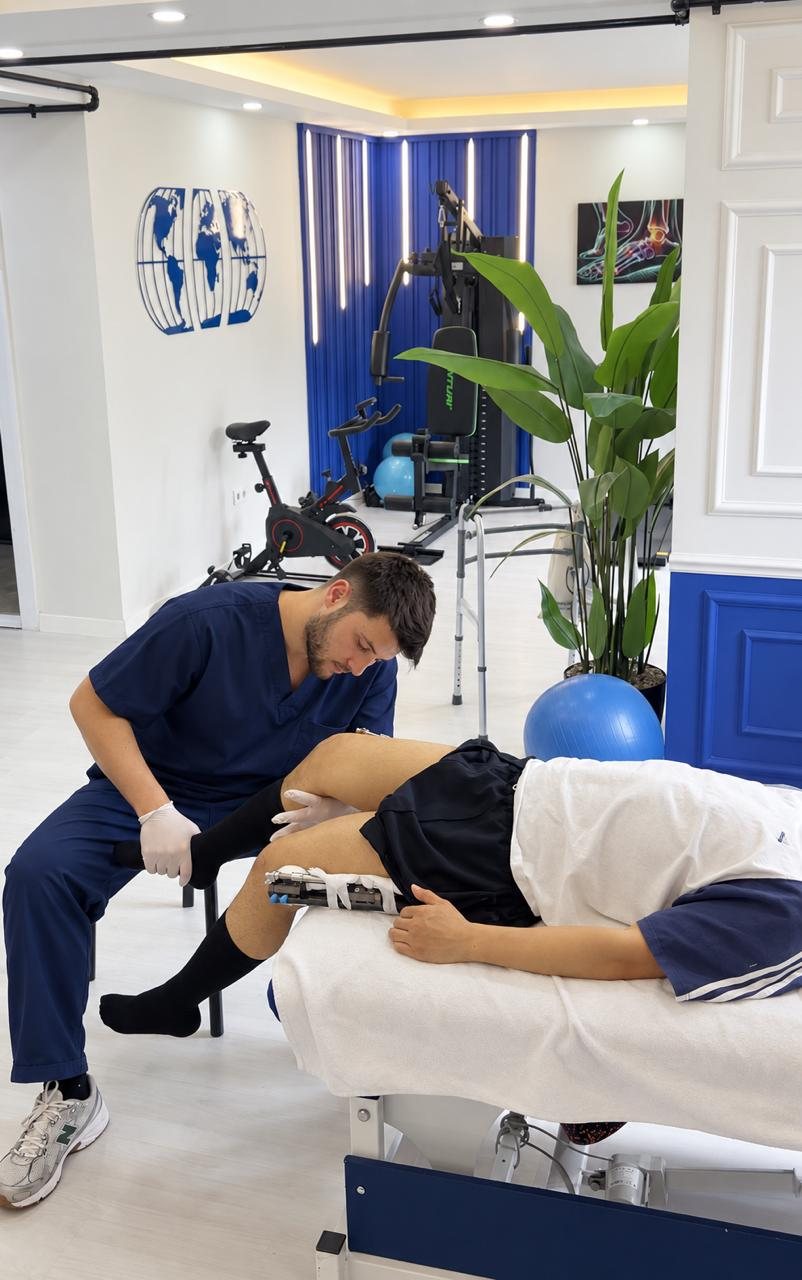
Less pain, less swelling
Manual therapy, positioning, cold application and controlled stretching.
Ready to go home
You leave knowing your programme by heart, with a written plan.
Your physiotherapy journey
The programme changes as your legs change. Frequency in the later phases is set by your surgeon at your follow-ups.
Pre-op preparation
Flexible, conditioned muscles make lengthening noticeably easier. Every patient starts a daily stretching routine before travelling.
- TFL and IT band, quadriceps, hamstrings, hip rotators, calf
- 3 to 6 sets of 15 repetitions
- Guide sent to you by your coordinator
First movements
Physiotherapy starts in the hospital: circulation work and gentle assisted movement to prevent early stiffness.
The intensive period
4 to 5 sessions a week in the recovery building, plus your daily home programme.
- Knee, hip and ankle range every session
- Stretching matched to that day's distraction
- Gait training as permitted by your surgeon
- Pin-site care for LON patients
Strength and independence
New bone hardens. Focus shifts to strengthening, balance and a natural walking pattern. Weight-bearing progression is set individually by your surgeon.
Back to full activity
A short programme restores confidence in the legs. Many patients return to running and sport; timing depends on your surgeon's clearance. See how Marius returned to sport.
Contracted physiotherapy specialists
Every session is one-to-one. The same therapists follow you through your stay, so they know your legs, your pace and your goals.
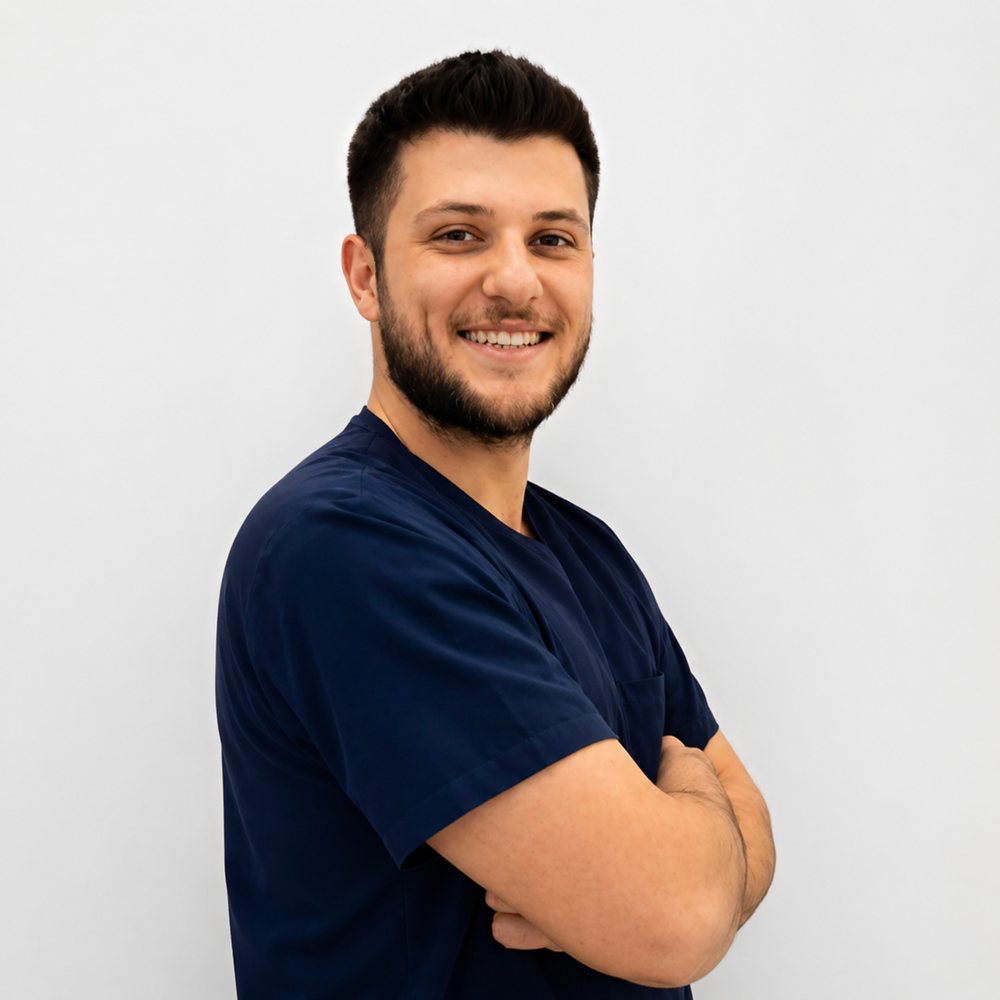
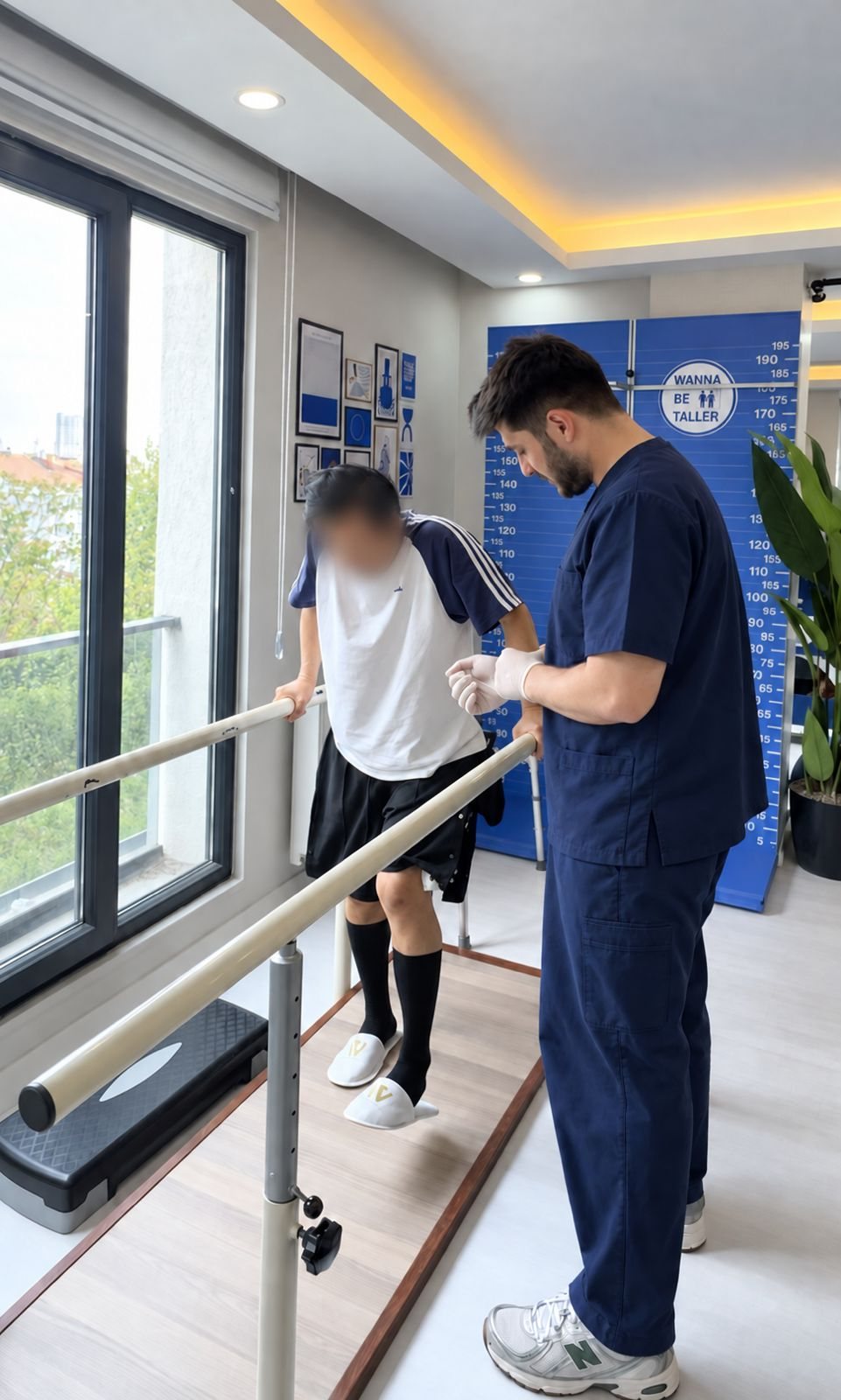
Osman Oğuz
Guides patients from their first assisted steps to confident walking, with a focus on gait training, joint range and daily progress during the lengthening phase.

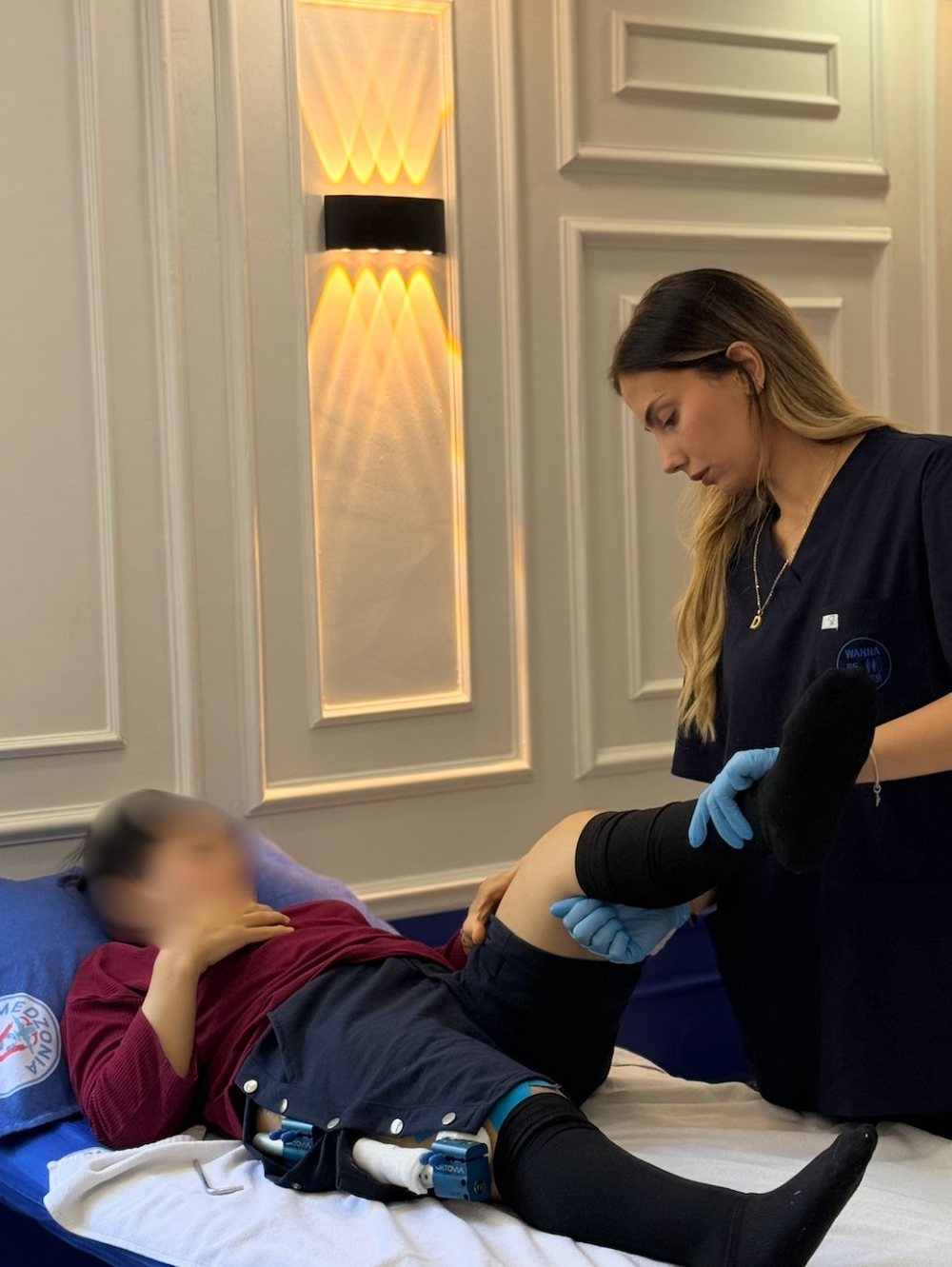
Dilek Can
Works on flexibility and soft tissue comfort, with manual therapy, targeted stretching and supported exercises that keep the muscles adapting to each day's lengthening.
Physiotherapy services are provided by contracted physiotherapists under the plan set by your surgeon. Session content and frequency are adjusted to each patient individually.
60 minutes, start to finish
Warm-up and circulation work, joint range-of-motion, targeted stretching, strengthening, gait training, cold application to finish.
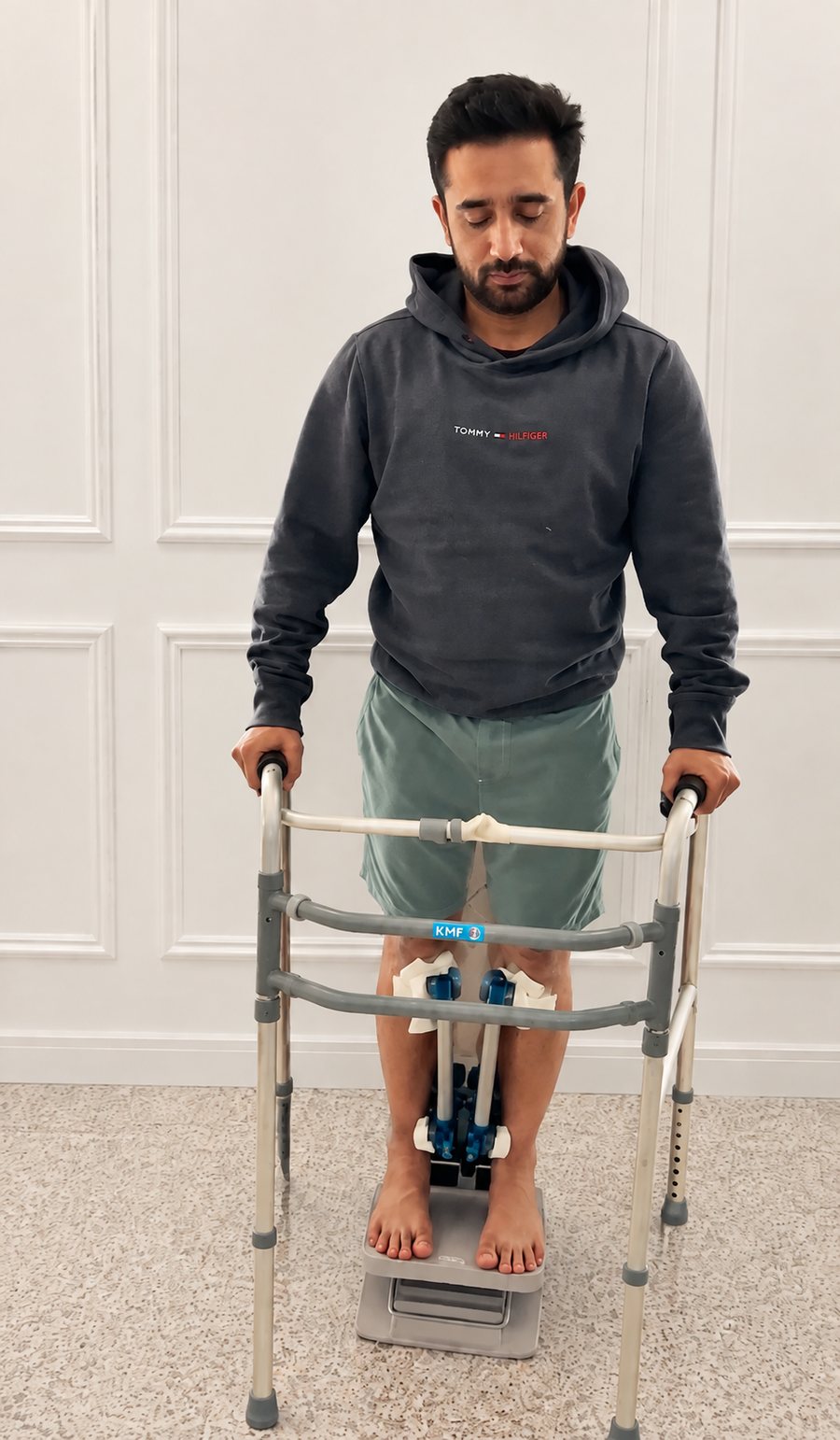
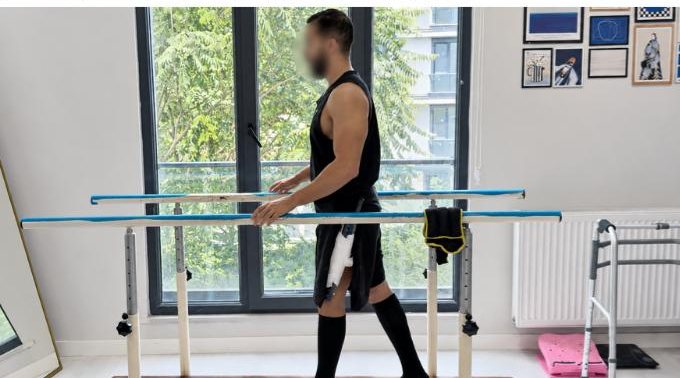
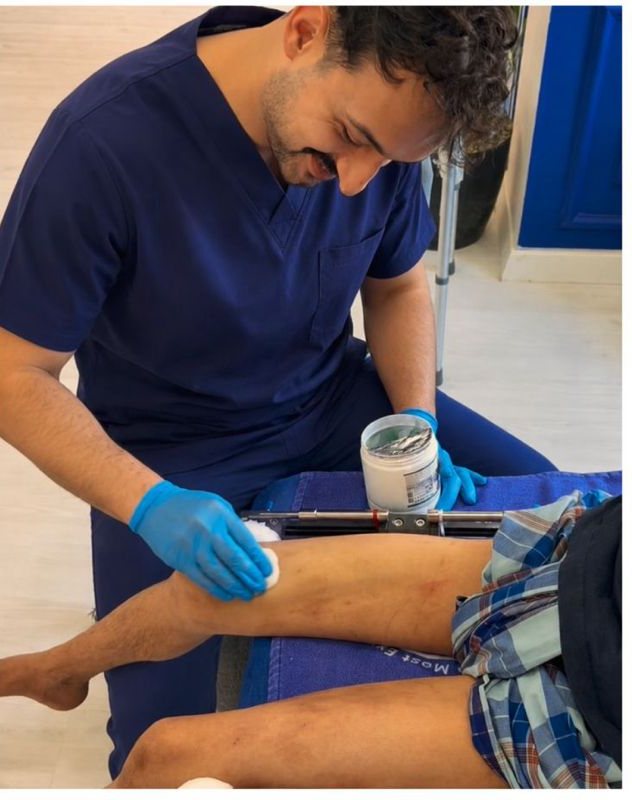
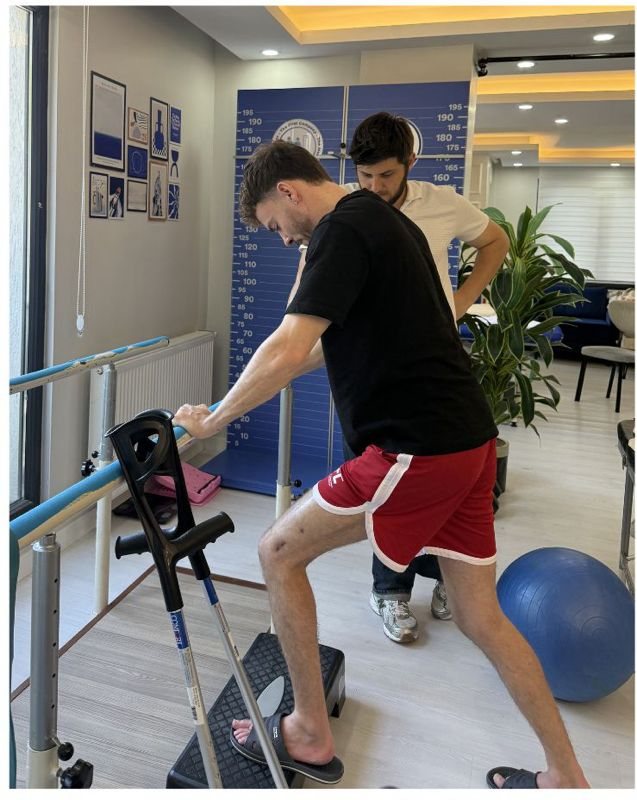
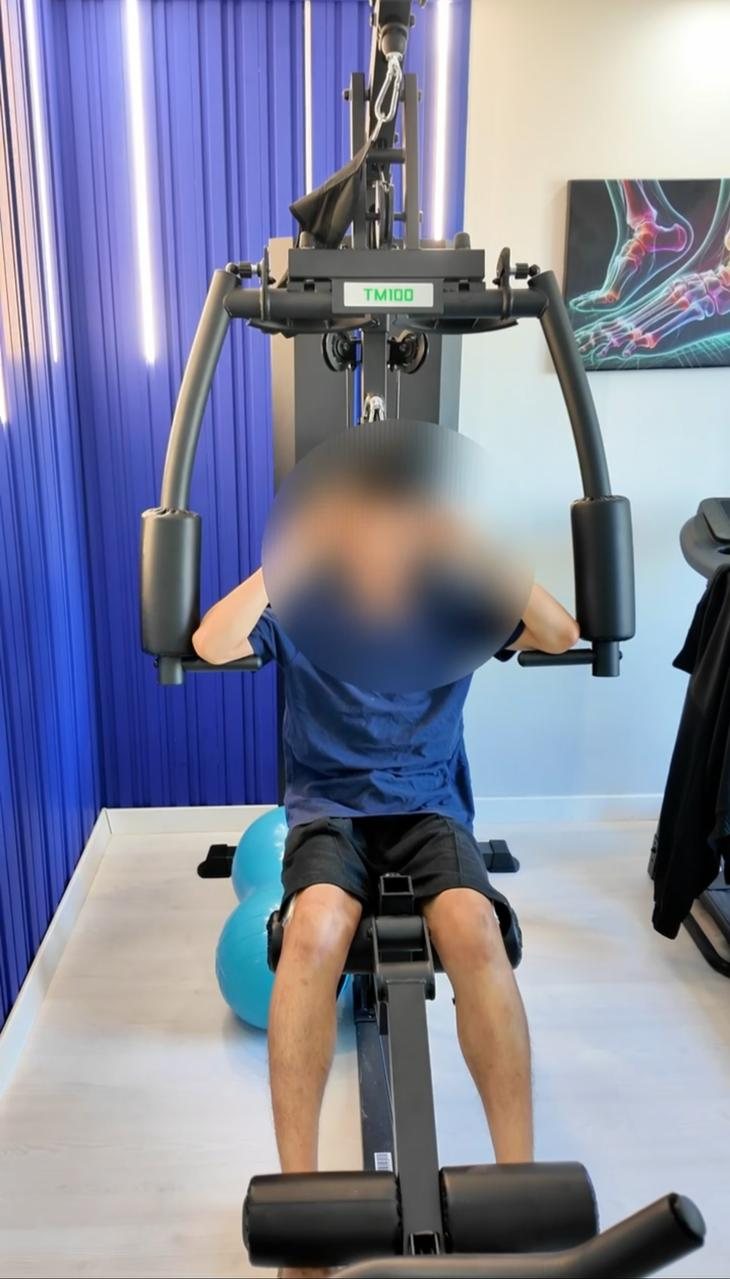
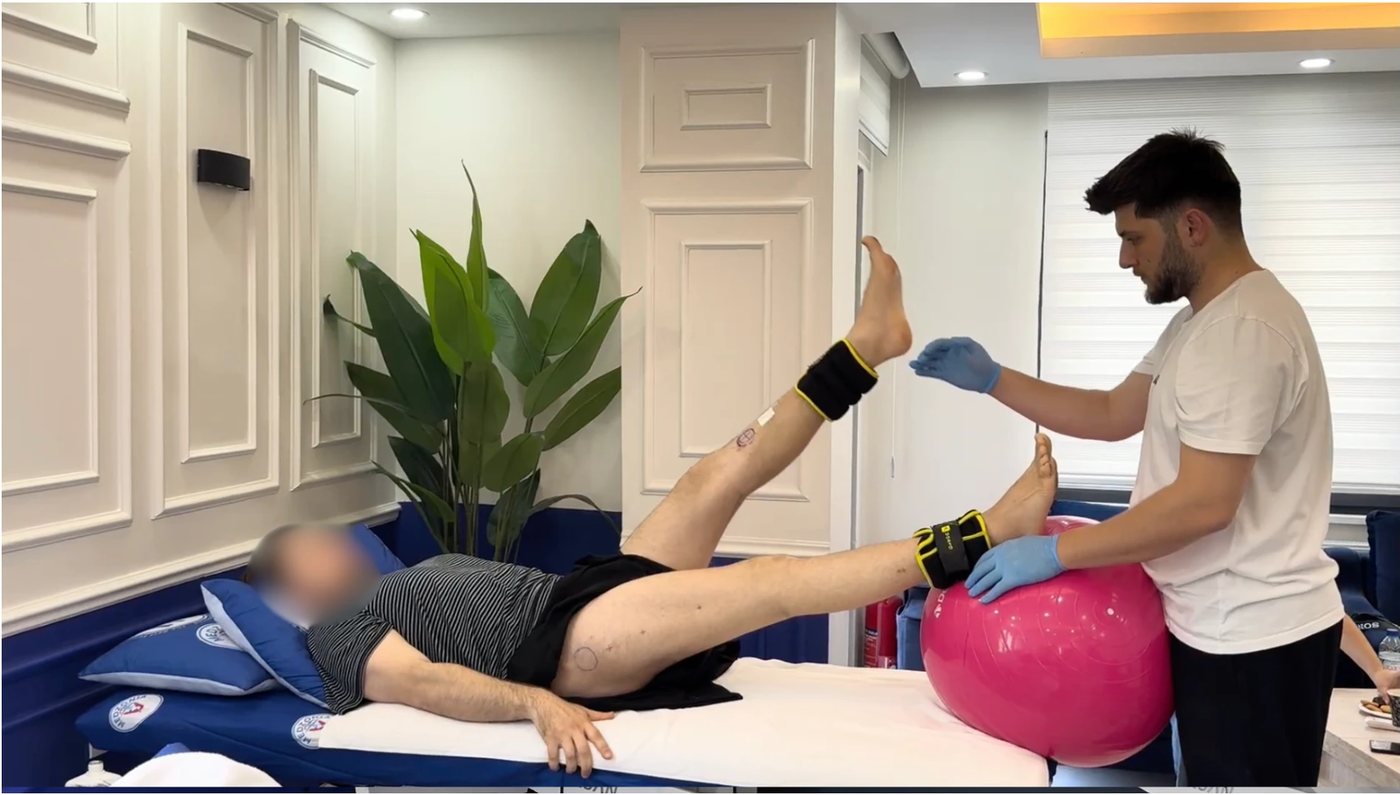
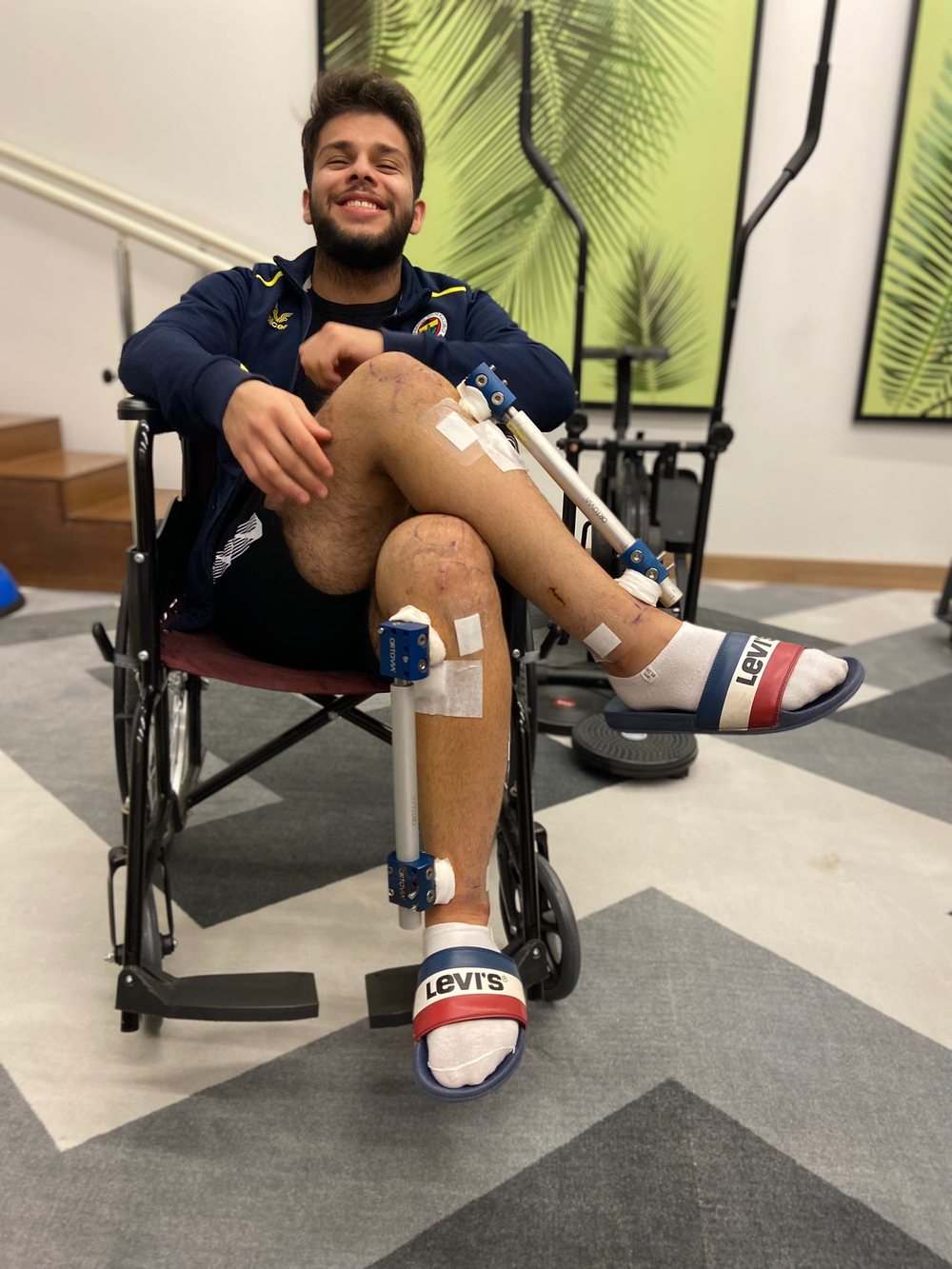
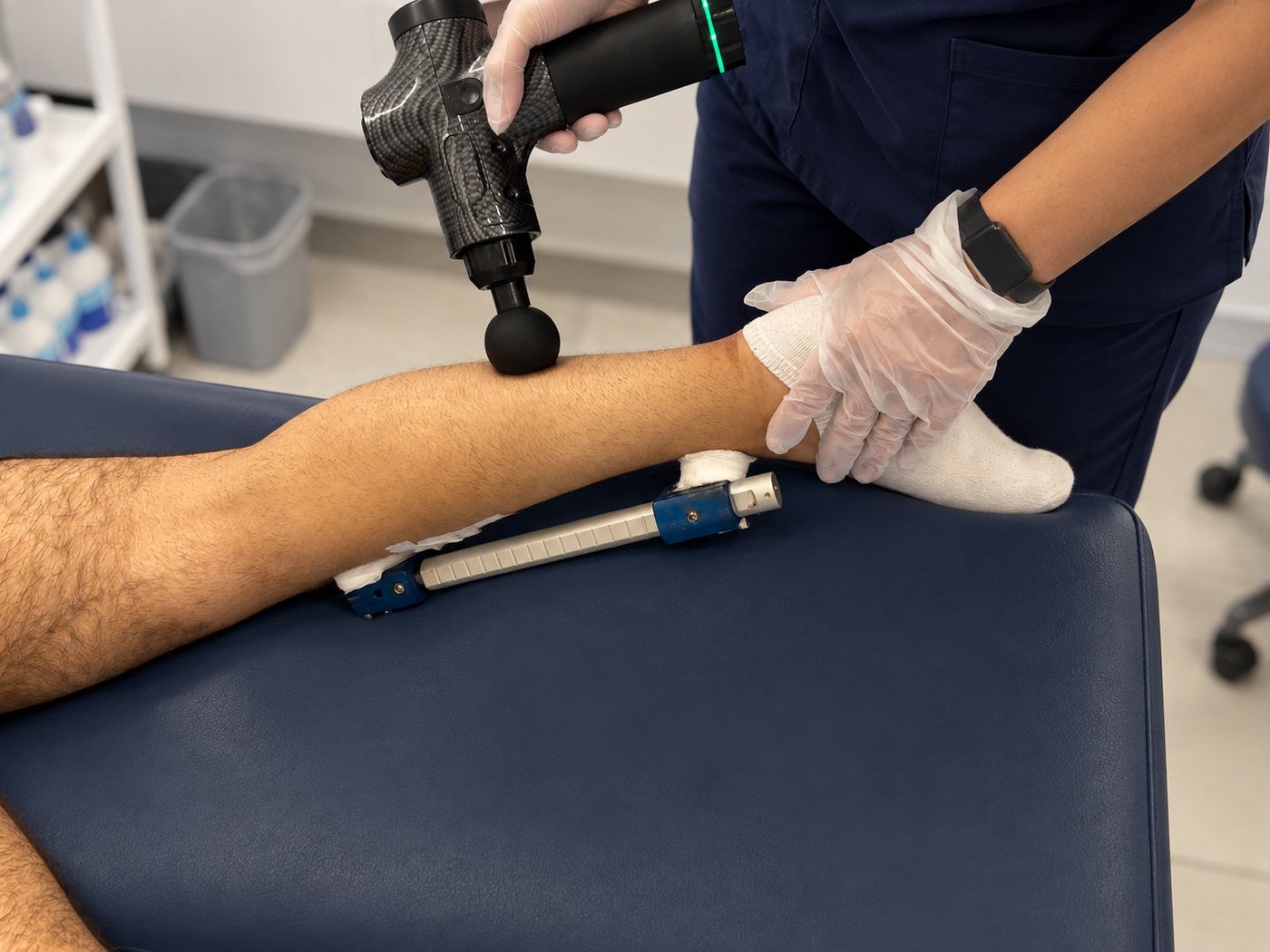
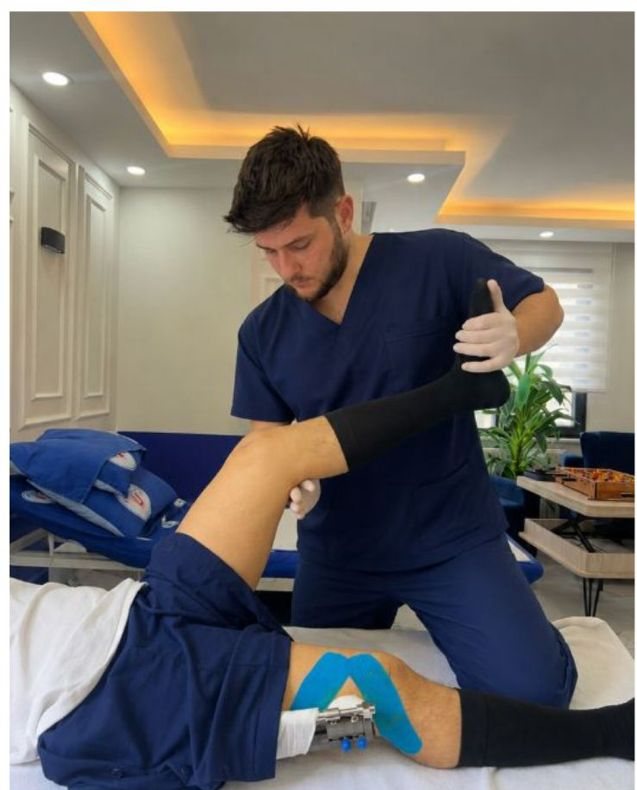
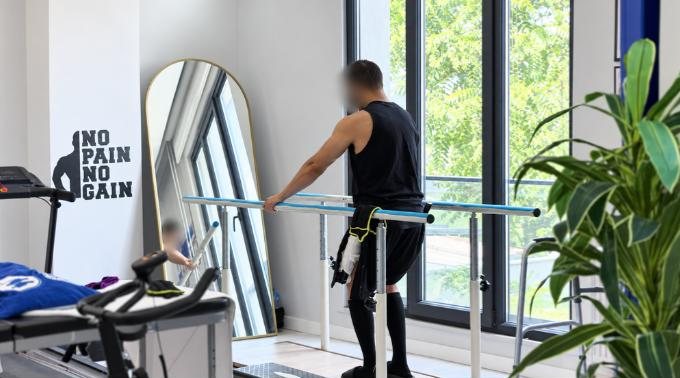
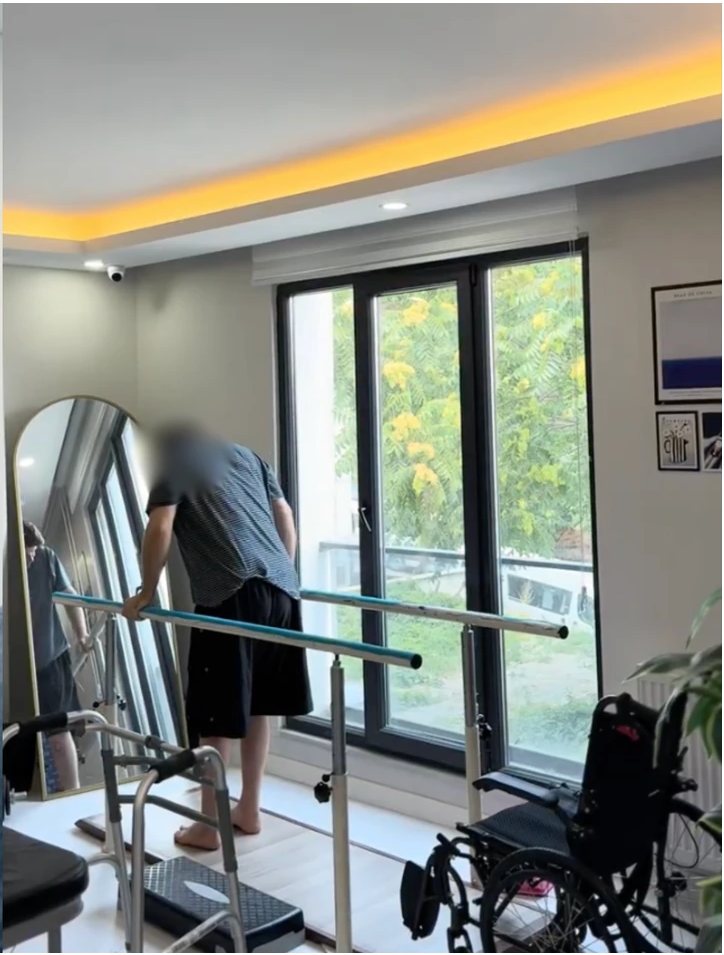
Physiotherapy in action
Day 157 after limb lengthening surgery
Follow one patient from the first weeks to walking confidently again, and see how physiotherapy shapes every stage.
More on YouTube →Why physical therapy matters in limb lengthening
Daily rehabilitation during lengthening
Physical therapy after surgery
Femur lengthening with LON · patient from Germany
Every new step closer to the goal (+7.5 cm)
Quadrilateral lengthening with Fitbone
Lordosis and posture after lengthening
Hamstring
TFL & IT band
Calf & Achilles
Your pre-operative stretching programme
An animated, step-by-step guide to the 14 stretches we ask you to start 3–4 weeks before surgery, in English, Turkish and Japanese.
- TFL and IT band, quadriceps, hip rotators, adductors, hamstrings, calf and Achilles, soleus
- Band and manual variants for every stretch
- Animated figures showing the exact movement and hold
The full guide is sent to you by your patient coordinator once your surgery date is confirmed.
Request the guide →Same goals, different routes
Full joint range, healthy soft tissue and a good walking pattern, whatever the method. What changes is how you move around during lengthening. Weight-bearing is always set individually by your surgeon.
LON method
- Partial weight-bearing is usually allowed during lengthening, so gait training starts early with a walker or crutches
- Daily pin-site care and skin checks around the external fixator
- Extra attention to knee flexion
Fitbone
- Fully internal nail; no external fixator to care for
- Mobility during lengthening follows your surgeon's individual plan
- Range of motion, stretching and controlled strengthening
Precice 2
- Fully internal nail; wheelchair-supported process during lengthening
- Most exercises on the treatment table and in supported positions
- Hydrotherapy especially useful for standing work
Exercise in warm water
Water carries part of your body weight, so patients whose surgeon has not yet allowed full weight-bearing can practise standing and walking movements comfortably and safely. Warm water also eases muscle tension, which makes stretching easier. A valuable complement to table-based sessions, particularly for internal nail patients during lengthening.
Tell your physiotherapist if you notice…
None of these are emergencies on their own, but catching them early keeps the programme on track. Mention them to your therapist or WBT coordinator the same day.
Heel starting to lift
Standing or walking on the toes points to calf tightness. Ankle stretching is increased before it becomes a habit.
Knee not fully straightening
Hamstring tension during femur lengthening can stop the knee a few degrees short. Addressed with positioning and targeted stretching.
Hip pulling outward or forward
Tight IT band and hip flexors change posture and walking. Early stretching prevents it from affecting your gait.
New numbness or tingling
Any change in sensation is reported to your surgeon; the daily distraction may be adjusted.
Pain that changes character
Muscle ache after stretching is normal. Sharp, new or nighttime pain that differs from the usual pattern should be reported.
Redness at pin sites (LON)
Some irritation is common. Increasing redness, warmth or discharge is checked by the care team the same day.
Continuing at home
A personalised plan covering stretching, range-of-motion and strengthening for the consolidation phase.
Method, current range of motion, restrictions and goals, so a physiotherapist in your country can pick up where we left off.
Your WBT coordinator stays in touch. Send videos of your exercises or walking and we relay questions to your surgeon and physiotherapy team.
Questions patients ask
How many physiotherapy sessions will I need?
During the first 2–3 months after surgery, 4 to 5 sessions per week are planned. The frequency in the following months is decided by your surgeon at your follow-ups, based on your progress.
Is physiotherapy included in the recovery package?
Yes. Physiotherapy sessions are included in the 3-month recovery packages (hotel or apartment). Patients who arrange their own accommodation can book sessions separately. See the cost calculator.
Does physiotherapy hurt?
Stretching muscles that are being lengthened is uncomfortable, and you will feel it. A good physiotherapist works at the edge of what you can tolerate, never beyond it, and the discomfort fades soon after the session. Patients consistently report that regular sessions make the overall process less painful, not more.
Where do the sessions take place?
In the physiotherapy room of the patient recovery building, where our patients stay. No travel involved: the room is a few steps from your apartment.
Which languages do the physiotherapists speak?
Sessions are conducted in Turkish and English. For other languages, a member of the WBT team who speaks your language accompanies you when needed.
When can I walk?
This depends on your method and is set individually by your surgeon. LON patients usually begin partial weight-bearing early with a walker or crutches; internal nail patients follow their surgeon's specific plan. Gait training is part of every programme from the start.
Can I continue physiotherapy in my own country?
Yes, and we recommend it. You receive a written home programme and a report for your local physiotherapist, and your coordinator remains available throughout consolidation.
What should I do before surgery?
Start the pre-operative stretching routine 3–4 weeks before your surgery date. Patients who arrive with flexible hamstrings, calves and hip muscles find the lengthening phase noticeably easier. Your coordinator sends you the full animated guide once your date is confirmed.