
Assoc. Prof. Dr. Yunus Öç — Orthopedics & Traumatology Specialist
Last reviewed: July 2026
Limb lengthening surgery is a surgical procedure chosen for aesthetic or medical reasons. Like any surgical operation, it carries certain risks and possible complications. In this article, we explain these risks and complications in detail, along with the professional information every patient should know before making a decision.
Questions such as “Is limb lengthening surgery dangerous?”, “What are the possible risks?”, and “What happens if I become disabled after the surgery?” are common among people considering the procedure. Below, we answer these important questions clearly and professionally.
1- Risks and solutions in the limb lengthening surgery
Limb lengthening is a serious surgical process and, like any operation, carries potential risks. However, most of these risks can be managed successfully through the right treatment methods and early diagnosis. The main risks and their solutions are explained below.
Infection
Causes: Insufficient sterilization during surgery or failure to follow hygiene rules afterward can lead to infection.
Symptoms: fever, redness, swelling and pain in the surgical area.
Treatment and solution:
- Antibiotics treatment: Infections diagnosed early can generally be treated with antibiotics.
- Wound care and cleaning: Regular dressing changes and keeping the surgical area clean prevent the infection from spreading.
- Surgical intervention: In cases of severe infection, an additional procedure may be needed to clean the affected tissue, followed by a hospital stay under medical supervision with antibiotic treatment.
To date, no serious infection has occurred among the patients under our care; rare superficial infections have been kept under control with early antibiotic treatment and regular wound care before becoming serious.
Notes: Approximately 15 days after surgery, and with your surgeon’s approval based on your healing progress, you may begin showering. Immediately afterward, your pin sites will be cleaned and redressed by our medical team. Thanks to this carefully followed postoperative care protocol, we have not experienced pin-site infections among our patients to date.
Our nurse changing the medical dressing of a patient who got the lengthening surgery with the LON method.
Our nurse changing the medical dressing of a patient who got the lengthening surgery with the Precice 2 method.
Bone Nonunion (Delayed Bone Healing)
Causes: Age, poor nutrition, smoking, insufficient blood circulation, or lack of physical activity.
Symptoms: Insufficient production of new bone tissue or slow union during the recovery process.
Treatment and solution:
- Bone grafting: Bone tissue is transferred to the area that has not united, supporting the healing process.
- Nutritional support: A diet rich in calcium and vitamin D supports bone health.
- PRP and stem cell therapy: Applied under local or general anesthesia once lengthening is complete, this treatment supports bone union in the large majority of cases.
In our experience, the need for bone grafting is very rare, as this condition is usually prevented with PRP or stem cell treatment.
Nerve and Blood Vessel Damage
Causes: Accidental damage to nerves or blood vessels during surgery.
Symptoms: Numbness, tingling, a pins-and-needles sensation, muscle weakness, or circulation problems.
Treatment and solution:
- Physiotherapy: Performed regularly so that nerves can regenerate and circulation can recover.
- Surgical intervention: Nerve or vessel repair may be necessary depending on the extent of the damage.
- Medication: Anti-inflammatory medicines or vitamin B support may be used to aid nerve recovery.
No permanent nerve damage has been observed in our doctor’s cases to date.
Psychological Stress
Causes: The long recovery process, restricted movement, and reduced social activity.
Symptoms: Anxiety, low mood, and loss of motivation.
Treatment and solution:
- Psychotherapy: Support from a therapist can help manage anxiety and stress.
- Support groups: Connecting with other patients going through the same process can boost motivation.
- Meditation and relaxation techniques: Reduce stress and support the recovery process.
We support our patients’ motivation with online psychotherapy sessions, social activities, and monthly excursions.
2- Complications and Solutions
Some complications may occur after limb lengthening surgery. Most can be managed successfully with early diagnosis and the right treatment. The most common complications and their solutions are explained below.
Muscle and Tendon Tightness
It can take time for the muscles and tendons to adapt to the lengthening bone. This may cause a loss of flexibility and restricted movement, and it tends to become more noticeable as long bones such as the tibia (lower leg) or femur (upper leg) are lengthened.
Symptoms: Difficulty moving, stiffness in the legs, and reduced flexibility.
Solutions:
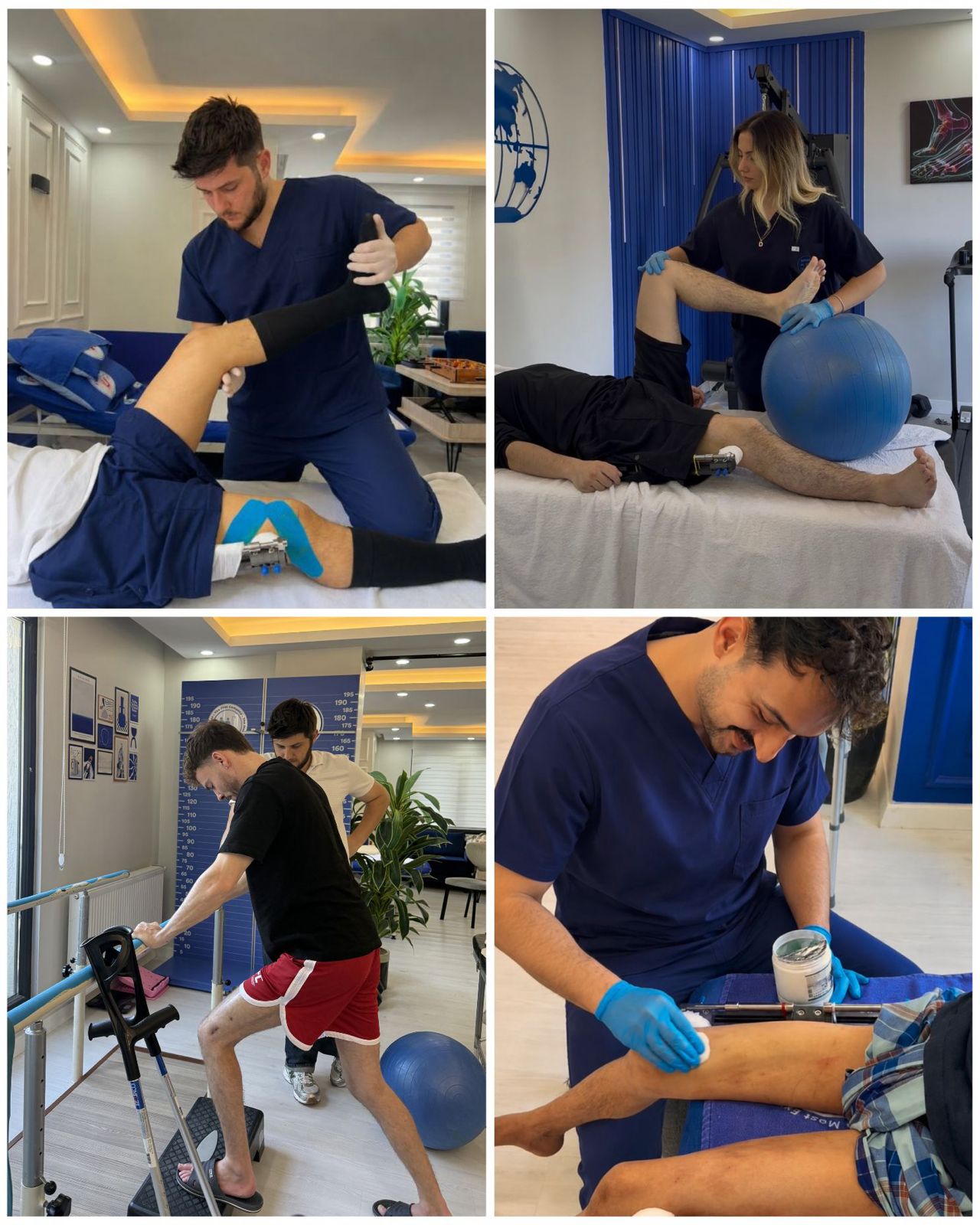
- Physiotherapy: Regular stretching and strengthening exercises with a specialist help the muscles and tendons adapt.
- Massage and manual therapy: Applied to stretch the muscle tissue..
- PRP therapy: Can be used to support and speed up the recovery of muscles and tendons.
- Pre-operative preparation: We send our patients personalized exercise programs to strengthen the muscles before surgery.
Device-Related Problems
Rarely, mechanical issues or loosening may occur in devices such as the Lon, Fitbone or Precice 2 systems. This can extend the recovery process.
Symptoms: Pain or sensitivity in the area where the device is placed, loosening of the device, or mechanical sounds.
Solution:
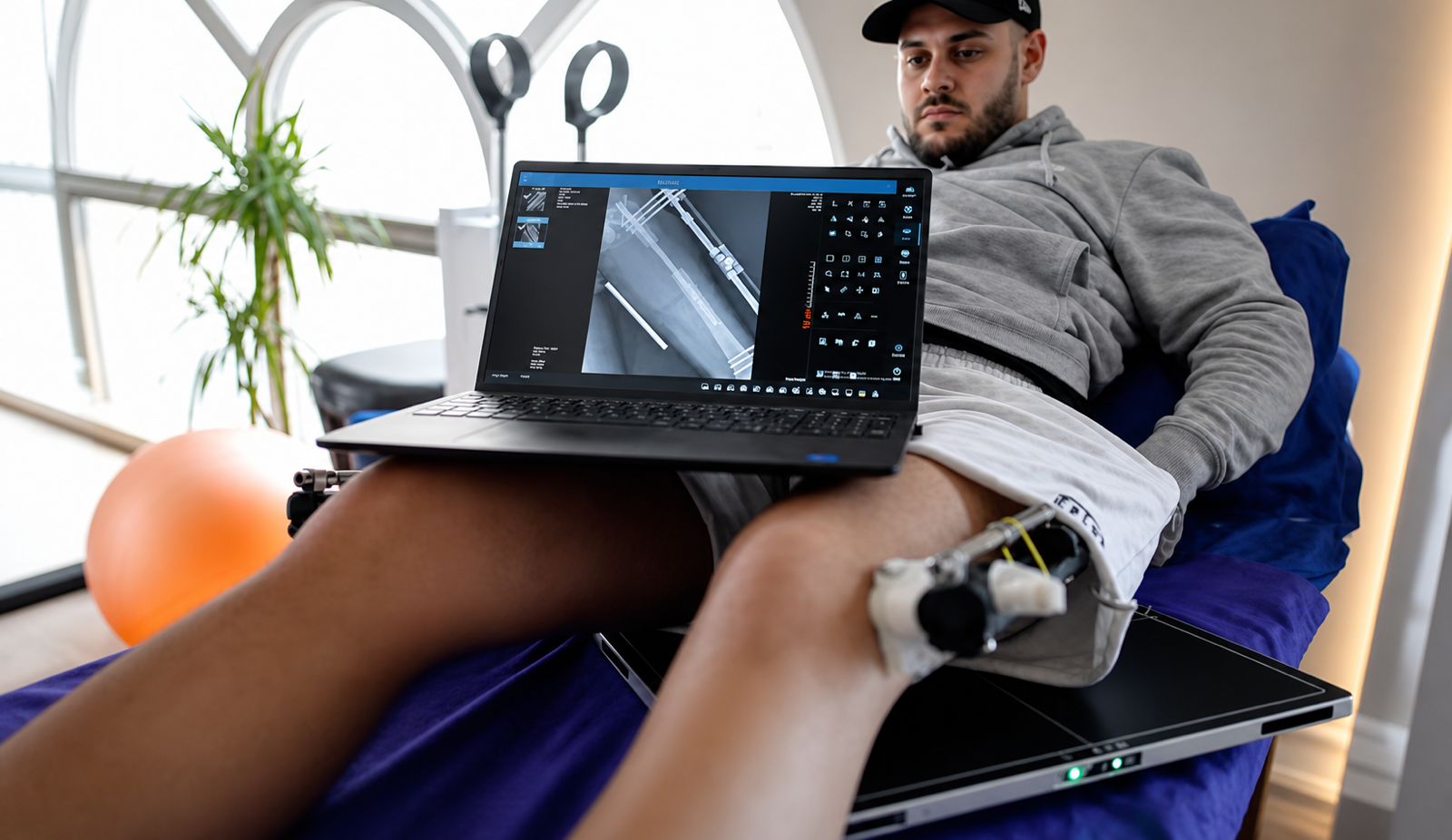
- Regular device checks: Specialists evaluate the placement and function of the device at routine follow-ups.
- Radiological imaging: The effect and adaptation of the device on the bone is monitored with X-rays.

Restricted Movement in the Knees and Hips
Excessive load on the joints during bone lengthening can cause some restriction of movement. The knee and hip joints are among the most affected areas during this process.
Symptoms: A reduced range of motion in the knees or hips, pain, and a feeling of stiffness.
Solution:
- Exercise and physiotherapy: Programs designed to increase the range of motion are applied.
- Hot and cold application: Used to reduce pain and improve movement.
- Anti-inflammatory medication: May be prescribed to reduce joint pain and inflammation.
- Flexion and extension exercises: Performed with a specialist to improve joint flexibility.
- Device adjustment or repair: The device is adjusted or repaired when necessary.

Blood Clotting (Deep Vein Thrombosis)
Staying immobile for long periods can increase the risk of blood clots in the leg veins, which may cause serious circulation problems.
Symptoms: Pain and swelling in the calves, tenderness to the touch, and redness of the skin.
Solution:
- Blood thinners: Prescribed after surgery to reduce the risk of clotting.
- Compression stockings: Used to prevent clotting and improve circulation.
- Movement and exercise: Long periods of immobility should be avoided; regular walking and light exercise are encouraged.
- Early diagnosis: Clots can be detected early with ultrasound and treated promptly.
Managing Risks and Complications
To manage the risks of limb lengthening surgery safely, the following steps are essential:
- Choosing an experienced doctor: An experienced specialist minimizes the risk of complications by managing the surgery safely.
- Hygiene and infection control: The use of sterile surgical equipment, keeping the surgical area clean, and regular dressing changes effectively reduce the risk of infection.
- Physiotherapy program: A physiotherapy program tailored to the patient after surgery helps the muscles, tendons, and nerves adapt, supporting recovery and mobility.
3- Is There a Risk of Becoming Disabled After Limb Lengthening Surgery?
Limb lengthening is a carefully planned surgical procedure, and when performed by an expert team, the risk of disability is very low. As Turkey’s first limb lengthening surgery center, we manage the process carefully with our specialist doctors and experienced team, prioritizing the health and safety of every patient.
Why is the risk of disability low?
- Experienced surgeon and team: Our team consists of surgeons and healthcare professionals with many years of experience. Protecting the nerves, muscles, and blood vessels is a top priority throughout the operation.
- Advanced technology and methods: We enhance surgical safety by using modern devices and advanced techniques. With fully internal and hybrid methods such as Precice 2 and Combined (LON), the risk of complications is kept to a minimum.
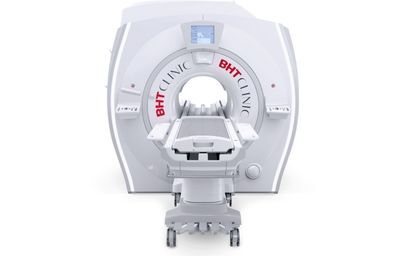
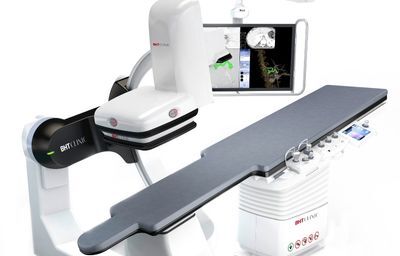
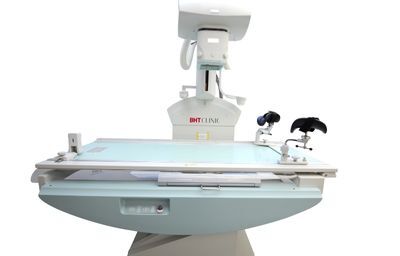
- Regular follow-up and physiotherapy: The recovery process is monitored closely with routine check-ups and personalized treatment programs. This allows possible complications to be diagnosed early and addressed in time.
- Radiological monitoring: Regular X-ray evaluations after surgery support early detection of complications and help clinicians monitor recovery.
Is limb lengthening surgery safe?
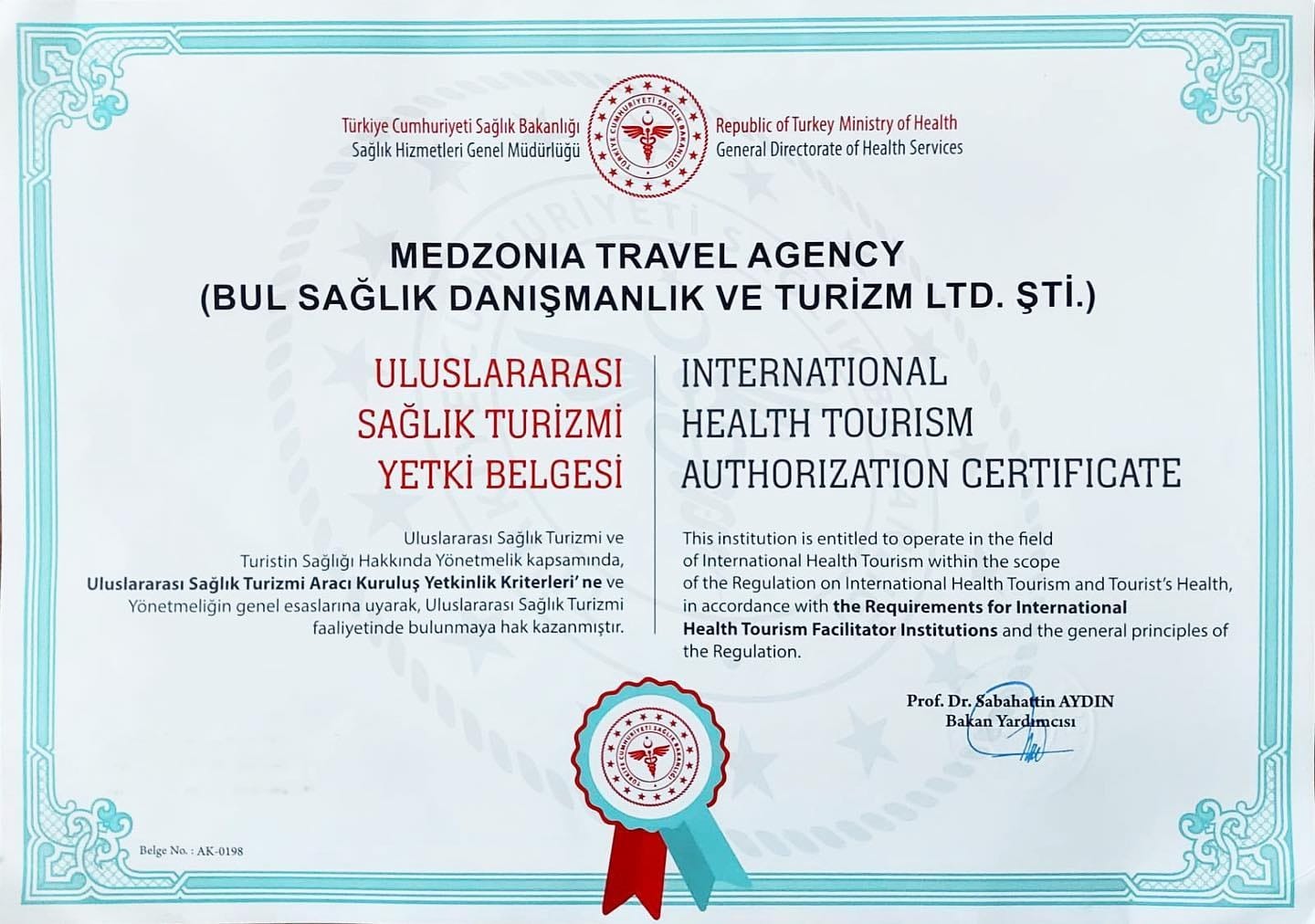
The results of the many successful surgeries we have performed to date highlight the importance of experienced teams and careful risk management. Operating under a Ministry of Health certified international health tourism authorization, our center is a leading institution in this field.
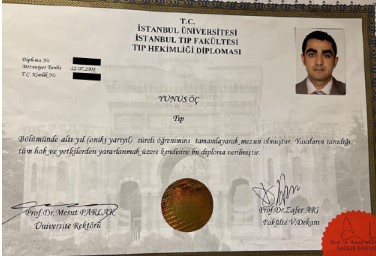
Results: Full recovery is possible
After limb lengthening surgery, the risk of disability is very low, and with the right surgical care and regular check-ups, full recovery is achievable. As Turkey’s first limb lengthening surgery center, we continue to offer our patients a treatment process that prioritizes safety, comfort, and patient support. For any questions about the surgery, please contact us.
4- Frequently asked questions
- Is limb lengthening surgery suitable for every patient?
The surgery is recommended only for patients found suitable after a thorough evaluation
2. Can I exercise after the surgery?
Yes. Exercise is possible after surgery, but only with your doctor’s approval and within the recommended timeframe. Independent walking generally begins around 5 to 6 months after surgery. Light activities such as swimming can usually start around 7 to 8 months with medical approval, while high-impact sports are typically safe after about 12 months. Heavy physical activity should be avoided until full bone consolidation is confirmed.
3. Is limb lengthening surgery permanent?
Yes. The height gained through surgery is permanent. Following your doctor’s and team’s recommendations is important for a successful, lasting result.
4. Is there any pain during the surgery?
No. General anesthesia is used during the operation, so no pain is felt during surgery. Afterward, some pain may be experienced, and this is managed with painkillers. The discomfort felt during the lengthening phase comes mainly from the soft tissues adapting to the new bone length and eases as the process continues.
Limb lengthening is a complex surgical process that requires an expert team and advanced medical infrastructure. Our hospitals provide a safe treatment process using the most current techniques and high hygiene standards. The recovery and care process is planned carefully to maximize patient comfort and satisfaction, and our team is always available to provide accurate information and professional support.
For detailed information and appointments:
Telephone&Whatsapp: +90 531 988 30 90
e-mail: support@wannabetaller.com
instagram: @leg_lengthening_surgery